The Long Beach challenge!

Less of a challenge when you approach it using the PlaidCamper method – although we did double the distance and likely set a new record time… 


This beautiful stretch of Pacific coastline is located midway between Ucluelet and Tofino, on the Pacific Rim Highway of Vancouver Island. It’s worth the trek to make the trek.
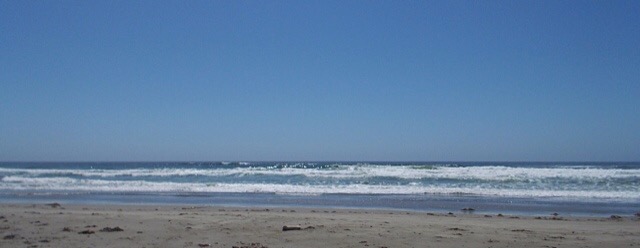
Worth the trek

From either the Long Beach parking lot, or the Kwisitis visitor centre near Florencia Bay, a willing hiker can walk almost 10km uninterrupted along the Pacific coast. The views up and down the shore are wonderful, and once you have gone further than 20 minutes, you are likely to have the beach almost entirely to yourself. For non human company, there’ll be bald eagles, gulls, ravens, and numerous other shorebirds.
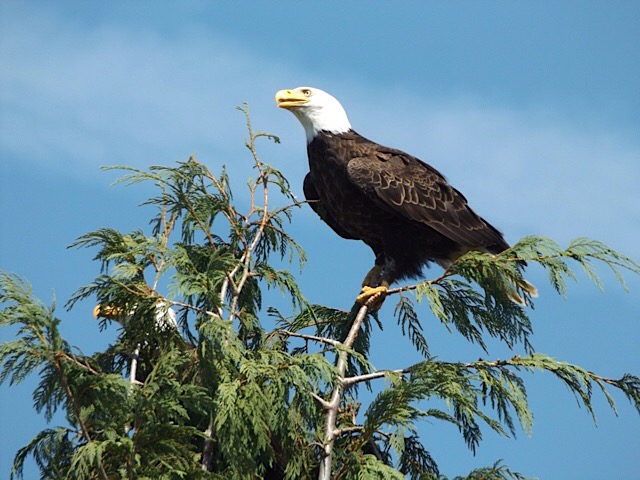
 Keeping an eye on those hikers

Wolves, cougars and black bears are a possibility, as well as potential sightings of whales out in the ocean. We saw the birds, but no mammals. Not too sorry to avoid those encounters, better for all concerned.
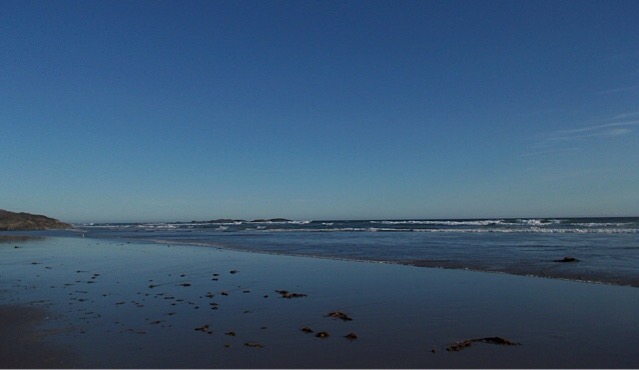
Long views
Shore birds! (Marbled Godwits? Not sure…)

On one side you have tussocks of grass and low sand dunes fronting the fringe of rainforest. Huge logs washed up and tossed far onto the shore by the powerful storms that pound the coast later in the year are scattered everywhere. The views change constantly as you walk; the perspective of each bay, in front or behind, the mists and fog drifting in changing the light, concealing then revealing, and then concealing again. In the two days we hiked, the weather was sunny, then misty, then rainy, then sunny again, and often all in the same hour. 
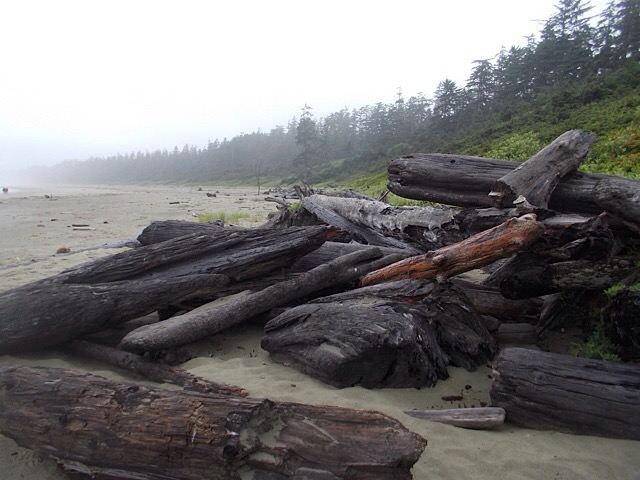
Storm tossed logs

 Misty long views

Underfoot, depending how close you want to walk to the waves crashing ashore, the sand is hard packed and easy to walk on. There are thousands of tiny shells, middling shells and larger shells, all colourful. Pretty rocks and pebbles, shiny and speckled, mottled or plain, and many like little stone eggs, are uncovered as the ocean retreats. Huge lengths of bull kelp glisten in the light, and the occasional jelly fish is strewn across the sand, causing one to jump over and around at the last second as you catch sight of them. 

 Easy walking!

The Long Beach challenge is set up as a time trial for those who wish to try. If we were being timed, we definitely set some kind of record. The number of times we stopped to breathe in all that was surrounding us, the water breaks, the lunch stop perched on a log – yup, certainly a new time record! I can’t imagine wanting to complete the journey as quickly as possible, but that’s because I am OldPlaidCamper, not young PlaidCamper. As far as jogging goes, if you made me, I’d rather jog on Long Beach than do repeated circuits in a city park. 
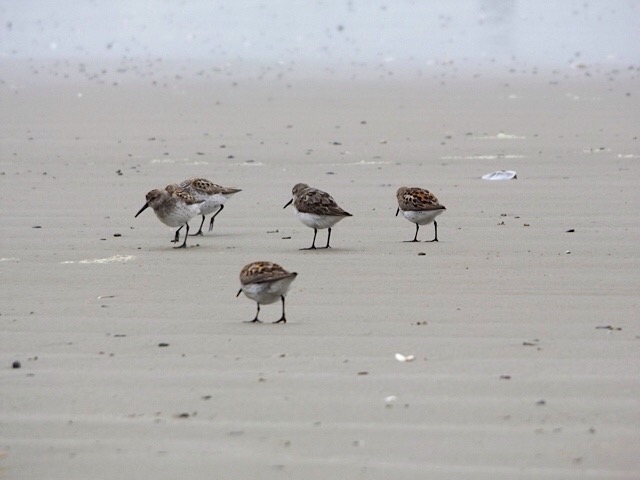
More shore birds (the most cute least sandpipers? Maybe…)

From our campground near the beach, we were situated about a third of the distance from the Long Beach starting point. So we set off one day heading north to do a there and back again section, and the following day we turned south to go there and back for that section. The Long Beach challenge twice in two days, including lunch picnic stops – not so much of a challenge, it was more like two really delightful days of easy hiking in a wonderful setting. That’s a challenge I’m always up for! (The real challenge was having to leave).
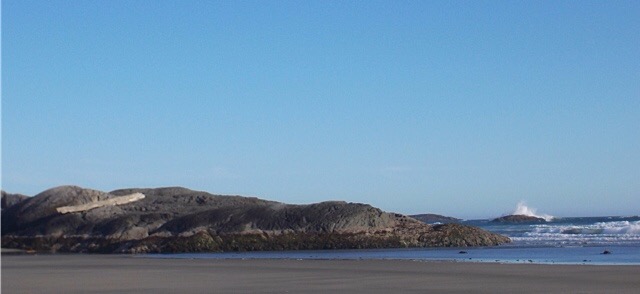
I’m ready for this…

Do you have a favourite hike – or favourite beach? Thanks for reading, please feel free to comment or share a story, and keep your guy ropes secure.

Chlorophyll camping in the rain at Green Point…

Summertime camping in a rainforest on the coast of the Canadian Pacific Northwest sounds exactly what it is – simply delightful – but what this old PlaidCamper really didn’t think about when reserving the campground many months ago, was the rain part of rainforest. Green Point campground, situated beautifully on a steep rise overlooking the Pacific, is also nestled in the fringes of a lush green forest – rainforest! 

It’s a rainforest!  

In recent years, most of our summertime camping has been in the deserts of SW USA, and our spring and fall camping at sites on the eastern side of the Rockies in Alberta. Generally, these locations are dry, often hot, and in the case of the Rockies, only an hour or two from home if heavy rain threatens to wash away the tent. (We did once abandon the campground at Lake Louise in early September, when the promised light rain showers became hours and hours of torrential deluge – small rivers were flowing past the tent, and if the grizzlies are paddling two by two, you know it’s time to go home). 

Don’t go home…

When we were approaching Green Point and the first few drops spattered the windshield, we weren’t too concerned. Our stay in the area had been dry and warm up to that point, and a little drizzle wasn’t going to be a problem…(we should have paid attention to the information at the botanical gardens, something along the lines of “autumn is wet, winter very wet, springtime it rains, and summers aren’t dry.” Annually, Tofino gets over three meters of rain! On some measures, two meters annually qualifies for rainforest, so Clayoquot has a super rainforest!) 

Moisture

We weren’t really that unprepared for camping in the rain, it’s just usually rain is a cue for us to not go camping. So the rain that started as we put up the tent, continued as we rigged up a tarp shelter, and did not stop that afternoon when we hiked along the beach, was outside our usual comfort zone. Still, with the tarp, decent waterproof gear in the backpack and a natty new toque, we managed just fine. Although wet, being summer it was not too cold, especially when hiking. 

Overlooking the Pacific (honest)

The trees collect the mist that drifts over from the beach, and all the moisture slowly drips and drops to the forest floor. Your camping soundtrack of rain pattering on the tarp and tent roof is soothing – and it sounds far wetter than it really is, with the dripping continuing long after any actual rainfall. Stepping out from under the tarp, we were surprised again and again by it not raining – or barely raining – when we thought it was! 

Greenery

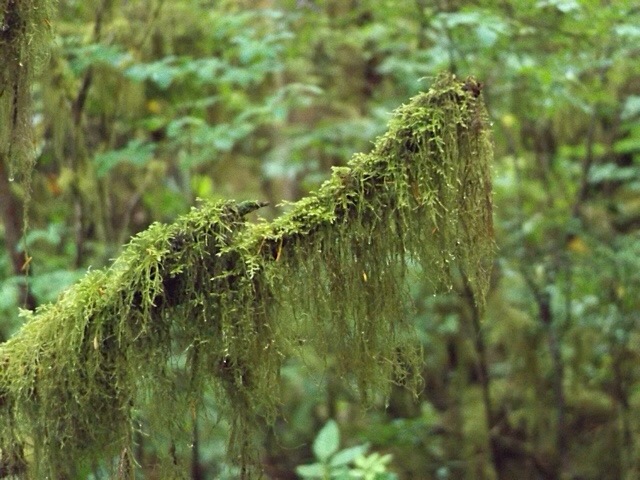
All the moisture contributes to the creation of absolutely beautiful forests. The shades of green are numerous, and even the humid air seems to have a greenish tint. The air tastes and smells a verdant green, if that doesn’t sound too strange. Chlorophyll! Moss cloaks and hangs from the trees, and lichens cling to trunks. Small bushes, broad leaved plants and fern fronds crowd the forest floor, which itself is a rich decaying mulch, satisfyingly springy underfoot. Water, water, water, and growth, growth, growth in a delicate and unique ecosystem. 

Delicate and intricate

I’ve had to rethink my general dislike of rain, at least in settings as spectacular as the Clayoquot biosphere. At the information level of thinking, it is easy to understand that rain is important, but experiencing the natural wonder, by camping in a rainforest for a few days, has made me appreciate this precious resource in a far more vivid and tangible way. Knowing something is not the same as experiencing and then knowing it a little better. Funny how I sometimes forget the obvious from the comfort and distance of my modern life. Maybe we should all have a rainforest experience – go so far as to insist it is a mandatory part of a child’s education – then serious and real conservation efforts might be mainstream rather than marginal…Enough of that, school’s out and I’m on vacation.

Did I already say “green”?

It didn’t rain the entire time we were camping, and in fact our final day was a beauty – blue skies and an empty beach to wander along just a few minutes from the tent. 

Overlooking the Pacific!

I probably still wouldn’t go camping locally if the forecast calls for rain, but I would certainly camp in a NW rainforest again! 

Rainforest cooled…

Are you a happy camper in the rain – or would it take a rainforest to entice you?! Thanks for reading, please feel free to comment or share a story, and keep your guy ropes secure.

Time out in Tofino, and realizing Thoreau probably had it right…

This post might seem a little off topic, but bear with me! I’ve been reading Walden and I think that I may, like many people, have been born in the wrong age…

We’ve been downsizing as far as we can recently, not because we are jumping on a particular bandwagon or vogue for small living, (although this is a good idea), but simply because the timing is right. Junior is about ready to forge her own path, heading out to be independent, and we don’t want to be living in a space that was designed to accommodate four or five people comfortably. Our empty nest can be smaller than that! We sold our family house, and we are renting a little apartment until our new little apartment has been built. 

This would be fine (cedar shack in Tofino botanical gardens)

This all seems simple and straightforward enough; a linear sell one, rent one, and then buy one. Couldn’t be easier. All you need is a small mortgage from a bank, a helpful legal person to do the necessary lawyer type things, and a builder. These three can then communicate with each other, working tirelessly and seamlessly on our behalf so we can secure the tiny apartment of our dreams. And they can collect well earned fees from us… 

Kerbside appeal without the kerb

I honestly cannot go into the complications experienced in trying to get these three parties all on the same page. If I had three more lifetimes ahead of me blogging to explain how frustrating the past couple weeks have been, I wouldn’t have enough time. I’d lose the will to live three times over. I’d rather have an operation than buy somewhere to live ever again. 

Maybe we’ll abandon the house, just hit the road instead

Thoreau had it right! I’m going to borrow an axe and start on my own place hewn by my own hands. (I will have to borrow an axe – I do have a little hatchet, but that’s not going to cut it. I’d be lucky to build a doll house or a birdhouse, never mind a tiny house. And I’d need those three lifetimes from above). Now, as an almost outdoorsman, I’d probably chop off my own limbs instead of a tree limb, and the finished article might not look like the finished article. But still, if you’d been in my shoes, you’d understand the attraction, trust me. 

Tofino bird house (with lawyer perched on the roof)

I’m lucky enough to be sitting on a deck, staying in a small cabin overlooking the inlet just outside Tofino. That means I get to calm down. This is a good thing for many obvious reasons. The less obvious reason is the one where you don’t get to hear a news story about some old guy wearing plaid running around downtown Calgary wielding a hatchet and cursing the modern home buying process:

“And the police gently disarmed the apparently harmless, yet clearly confused plaid-clad old man, leading him away from bewildered bystanders and committing him to a secure institution where further tests will be carried out to determine if he is fit to have his little hatchet back. And now the weather.” 

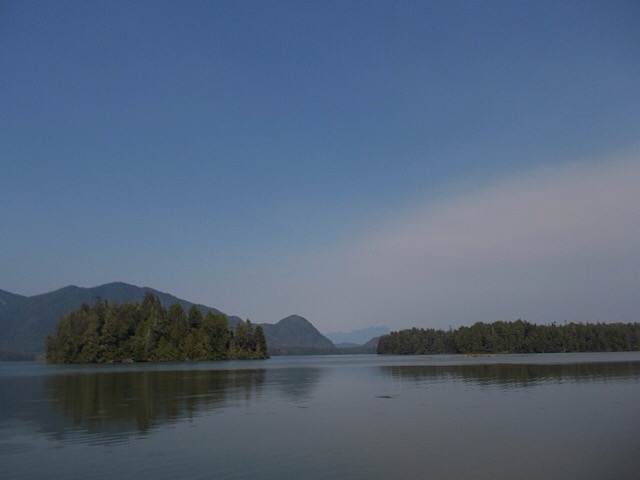
View from the dock – just breathe, PlaidCamper, just breathe…

Just to be clear, and before anyone calls the authorities, I’m not actually going to run amok anywhere wielding any sort of hatchet – that would be silly.

All complaining aside, I do know that with a little perspective, this is simply just another invisible Western problem; I should let it go, and accept it as one of the complicated processes that make up life for the privileged few in the modern world today. An irritating downside to accompany the many upsides? I don’t know. I could stand to live in another age – when life wasn’t easier, that’s for sure, but perhaps simpler? I still say Thoreau had it right… 

Head over the next mountain, just a little further…

Have you ever wanted to build your own little home, be a little more apart from the modern world? Please feel free to share a story or make a comment. Thanks for reading – I feel better now – and keep your guy ropes secure.

Is this Canada? Yes it is!

Happy Canada Day! As it is Canada Day, I’m posting a few photos of the True North, and hoping to both break and encourage fond stereotypes of this wonderful country.

This is because sometimes, when I share pictures with friends and family back in Europe, they’ll ask if we are still in Canada? They never doubt pictures of snow covered mountains or mighty forests as being Canadian, but the following one prompted a few questions:

 Is this Canada?

I think it was the hammock, the lovely blue skies, and lush greenery that made some think we were staying on a tropical island! Hawaii was suggested, and I don’t know that I convinced the doubters when I said Tofino, Vancouver Island. If you don’t know Tofino, it’s maybe not what most think of when asked to picture Canada.

I followed up with the following photographs to help my European friends:


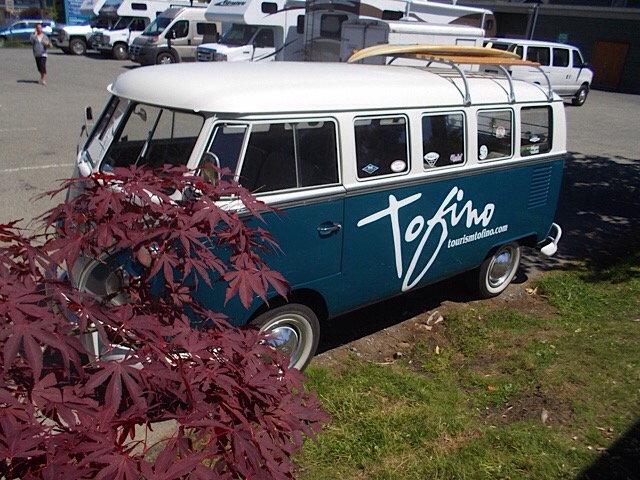
The Tofino minibus finally convinced them I was being truthful, and still in Canada!

Another reason we’re celebrating Canada Day with even more joy than usual, is because we’ve just been given our notice to appear and swear our oath to become Canadian citizens. Before the end of July, our lengthy journey  to be full participants in our new homeland will be complete! We are so very happy about that. We love where we come from, and enjoyed all the places we’ve called home, and are now really excited to be fully committed to where we currently live and intend to stay. That calls for a more obviously Canadian picture, eh?

  This is Canada (so Canadian!)
  Did someone say citizenship? 

I’ll leave you with a few more photos of our small corner of Canada, and wish you a great day wherever you are!

  This is Canada!
  And this is!

  So is this!

  A little Plaid…

  A big moose… 

 Essence of Canada!

  Canada Day breakfast

I hope you enjoyed this Canada-fest. Please feel free to comment or share a Canada story. Thanks for reading, and keep your guy ropes secure.
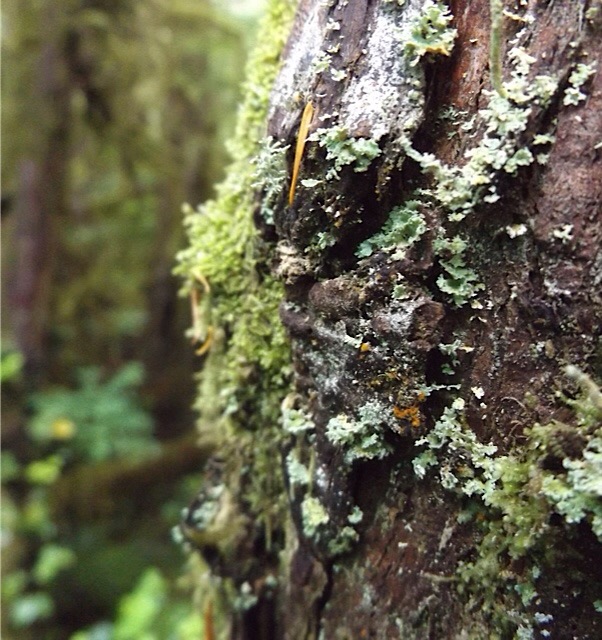
  

A new Kananaskis campground (well, it was already there, just new to me)

Sometimes, undiscovered and new outdoor places can almost be in your own backyard! This was the case just last weekend for us. We stayed at a new – to me – campground, and it was a wonderful discovery.

Our short stay at the Tunnel Mountain campground just outside Banff a couple of weeks ago was enjoyable enough for the views and to try the new tent, but it maybe wasn’t the most peaceful of places. When I mentioned this to a colleague, she recommended Beaver Flat campground on the Elbow River in Kananaskis country. I’ll admit to being a bit doubtful, thinking that a site barely an hour from the city couldn’t possibly be tranquil. 

  The Elbow River – a little bit tranquil?

As is often the case with outdoor related items, I was wrong. Once again. The campground and surrounding area was absolutely delightful, and relatively uncrowded for a warm and sunny weekend. I got the impression that the folks we saw out and about – cyclists, campers, hikers, twitchers, photographers and all – were there for the quiet, and because there isn’t a Banff or a Canmore nearby. I love those mountain towns, but they can fill up fast…

  A quiet stretch of the Elbow

Our weekend patch of the Elbow valley was people quiet but teeming with wildlife – although we didn’t see anything much larger than this little guy: He was busy enough, so we backed away!

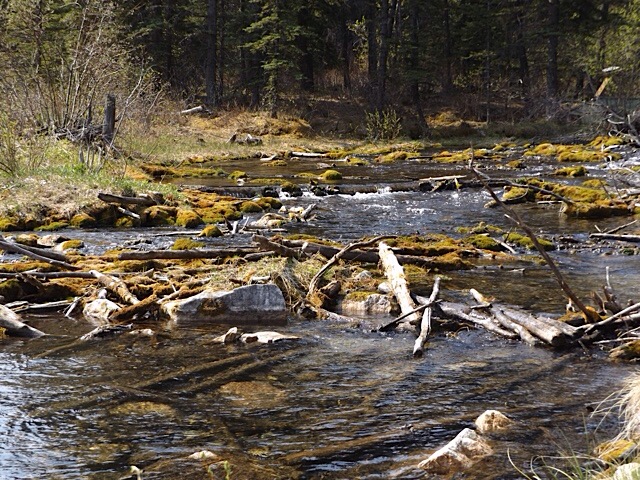
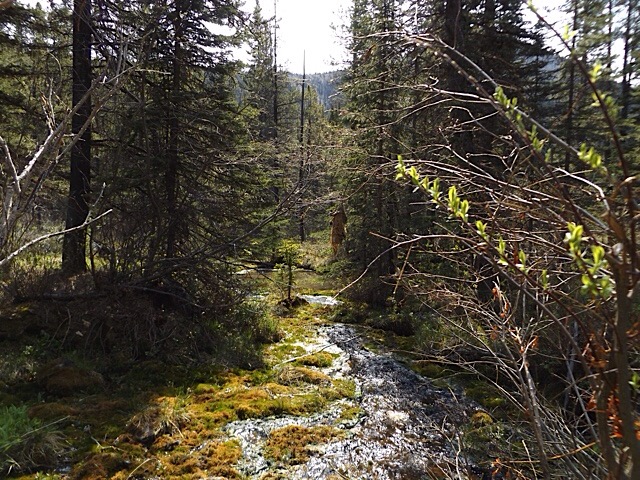
Being unfamiliar with the area, we didn’t wander too far, yet uncovered plenty of natural delights. A short ramble from the tent, we saw where beaver activity had created a series of small ponds with dams that provided lovely views:

  Industrious beavers nearby…

  A babbling brook

Several times, a pair of geese flew directly over our tent, heading for the pond pictured below – we saw this single goose bank in and land on the water, an impressive sight! The goose in this photo seemed quite despondent, calling frequently. We wondered, had it lost a mate, was it one of the pair we kept seeing?  A lonesome goose?

 Maybe…

There was plenty to indicate the presence of beavers:  

Didn’t see any beavers, but we did spy a small amphibian:  It was tiny!

Quite honestly, walking around and investigating the immediate surroundings, we didn’t get more than an hour from the tent yet really enjoyed our explorations. It was a welcome short break from the city, and a chance to recharge before the final few weeks of a busy school year.

  Come the evening, is there a better way to unwind?!

I’m so happy to have had the recommendation about where to camp out in Kananaskis, as it was such a pleasant place to spend a weekend. It’s early in the camping season here, and K-country does get busier as the weather warms up, so I’m passing on the recommendation: if you get the chance, head out to the Elbow valley and stay in one of the campgrounds sooner rather than later – you won’t regret it! You don’t have the enormously epic mountain scenery of the nearby national parks, instead it is gentler, yet still rugged, scenery.

 Old and plaid, and enjoying K-country!
I’m hoping the weather remains fine and we manage to return in the next week or two – there were some enticing trails to be explored…

Do you have a favourite camping spot, or a campground recommendation? Thanks for reading, please feel free to share or make a comment, and keep your guy ropes secure.

Whitewater – what a thrill!

I usually prefer the quieter and more contemplative outdoor pursuits – honestly, there’s really no need for me to sing around the campfire or anything, that’s just cruel and unusual punishment for all the woodland creatures – but when friends suggested a morning of whitewater rafting we couldn’t say no.

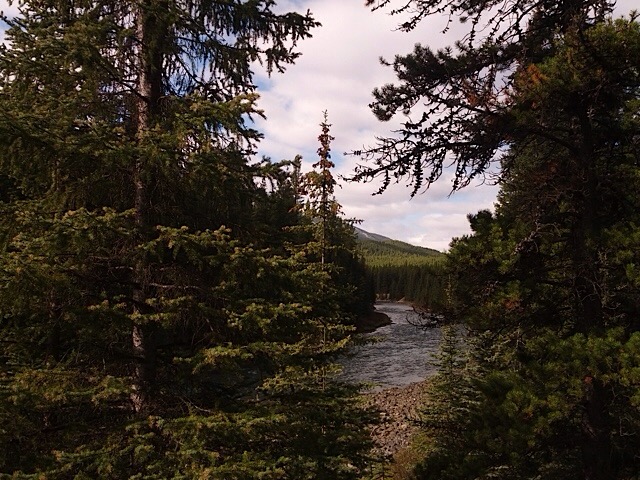
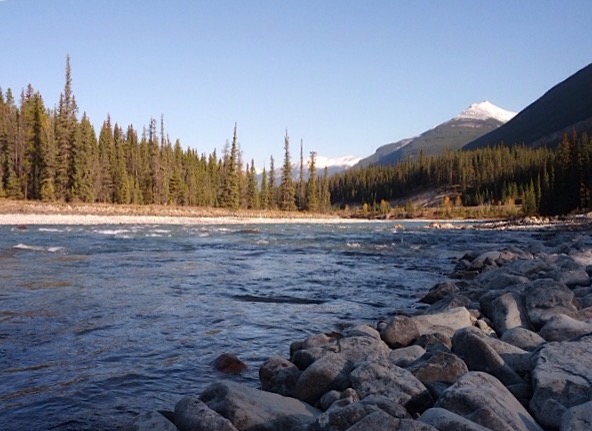
  Maligne River, Jasper National Park, AB. Quiet and contemplative…

Rivers have cropped up in much of what we’ve been doing the past few weeks. We recently attended a National Geographic presentation, Chasing Rivers by photographer Pete McBride, where he discussed the importance of the Ganges and Colorado rivers. Using these mighty waterways as case studies, he spoke about how the health of a river is an excellent barometer of our environmental responsibility. The treatment a river gets from the humans relying on it for drinking water, agriculture, industry, or as a leisure resource can be quite astonishing. Rivers are such vital parts of our ecosystems, yet rarely get much attention or thought as we merrily extract millions of gallons to sprinkle our lawns, wash our vehicles or forgetfully leave taps running. Perhaps the best point McBride made was that we all live upstream of someone else. Thought provoking given that many rivers are running dry…

  Athabasca River, AB. We all live upstream or downstream to someone else – makes you think…

As well as the presentation, around the same time, and quite by coincidence, I read Peter Heller’s marvellous book Hell or High Water. Heller accompanied a group of kayakers on their expedition to Tibet, where they attempted the first successful descent of the Tsangpo Gorge through white waters that almost defy description in how dangerously wild they are. 
  Read this, it is an amazing true story!

If you enjoy reading first class writing about faraway places and grand (foolhardy?) adventures, then this is the book for you. I was mesmerized by Heller’s telling of the story. He captures the wonder of the locations as well as all the ego, bravado, bravery and dangerous politics of the expedition. He also provides astonishing background stories and histories of some earlier characters who attempted to uncover/discover the Gorge. It is a joy to read – even the very place names are a form of poetry:

Senchen La, Kondrasong La, Namcha Barwa, Gyala Peri, Sinji-Chogyal, Pemakochung. Just delightful sounding!

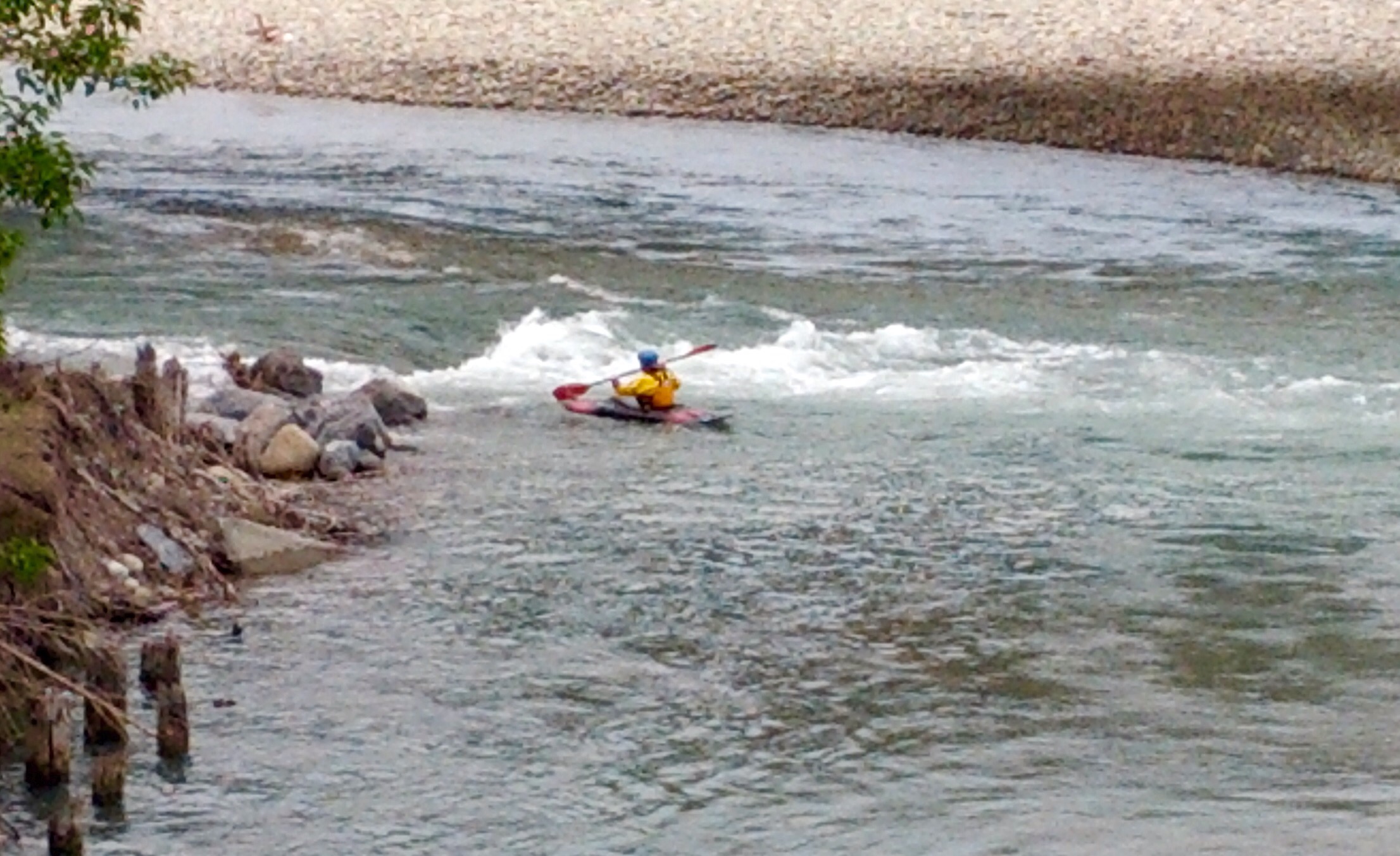
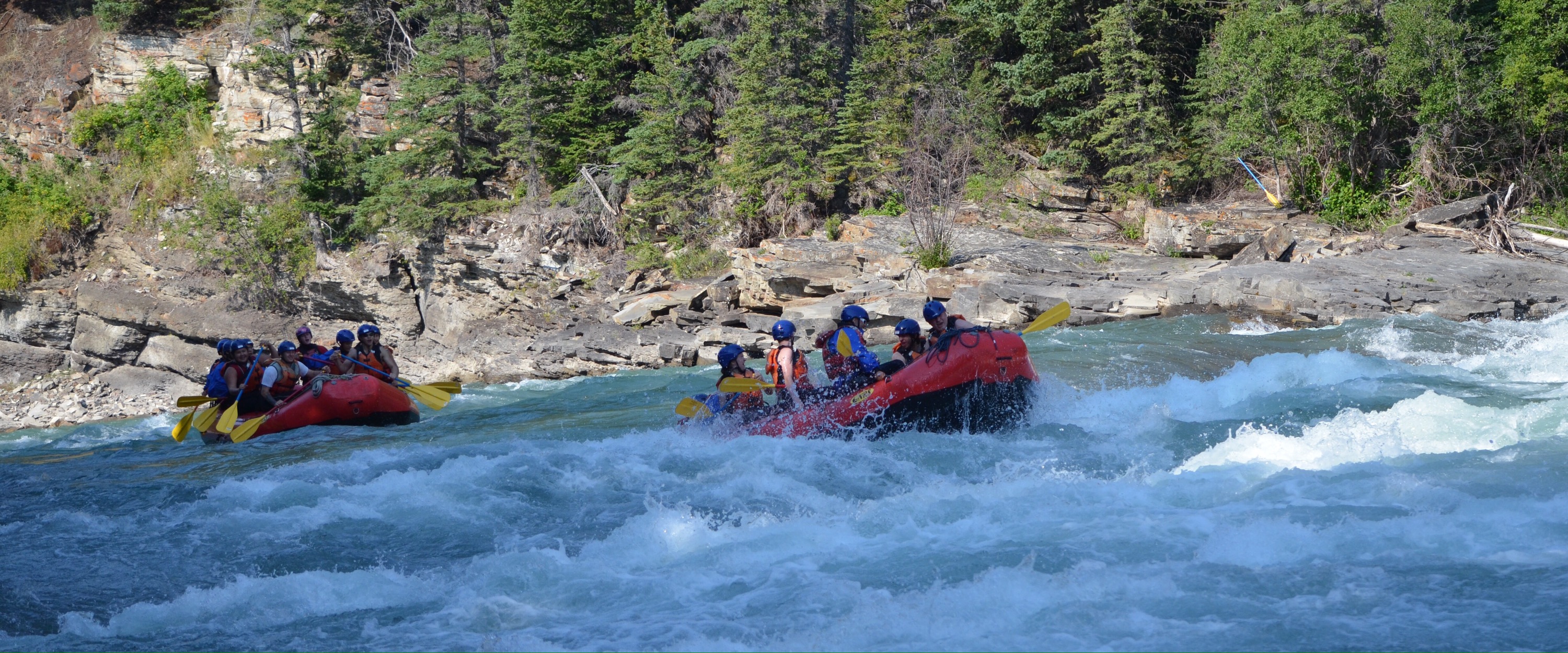
All this got me thinking back to last summer and our own little whitewater adventure. It was hardly riding Class V or VI rapids, but perfectly exciting Class III and IV water – more than enough for this novice. To put my nerves and fearlessness into perspective, when I say you couldn’t pay me to go on a rollercoaster, I’m being truthful. As I get older, the fear centre in my brain seems to increase in size. I shudder to recall the tree climbing and zip lining “exploits” of years gone by. What was I thinking?

  This seems exciting enough – snapped on my walk to work last week – is this his commute?! 

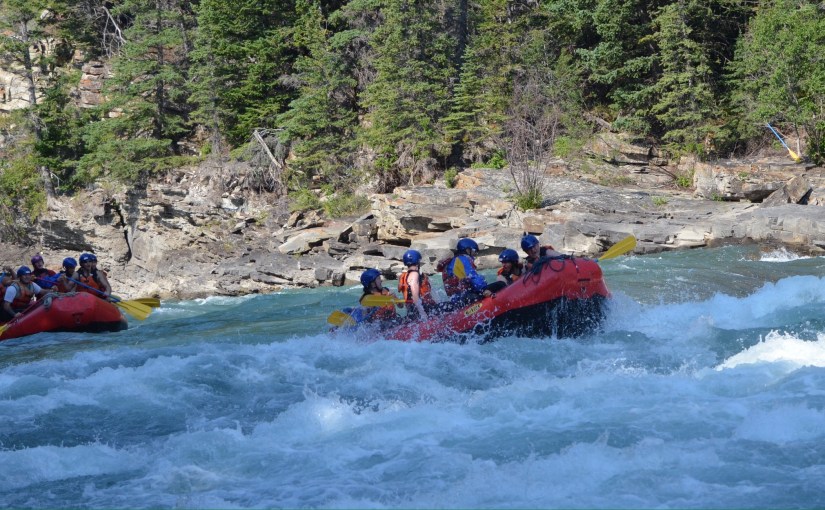
So I was just a little apprehensive during the excellent and comprehensive safety talk our guide gave us before launch. It was detailed enough on the whole being thrown out of the raft mid rapids explanation that I was having serious second – and third – thoughts. But you can’t lose face in front of friends and family, and anyway, I appeared to be firmly stuck into the wetsuit. Good look for an old PlaidCamper. The best part was when our guide asked for two volunteers to take the front positions in the raft – allegedly the high responsibility places on board. We were all glancing at each other, shuffling a bit and hoping someone else volunteered. What happened was our fellow passengers all shuffled back a pace, making it look like my friend and I had stepped up. My pulse might have quickened…

 Fun, fun, fun!

It was such fun! Being sat at the front was tremendous. The first hole we plunged into left me feeling exhilarated – no time for nerves, you had to paddle as directed by our guide. I’m smiling now as I recall the sheer excitement of those rapids. I really hadn’t anticipated how thrilling our trip down the river would be. I’d go again tomorrow if friends suggested it (or when the rivers are ready, which is the next week or two). Sign me up!

 Still fun!

The pictures of our little group you see on this post were supplied by the excellent outfitters who ran our expedition. I won’t advertise, but I have left a link to their site below if you are interested.

Anyway, there you have it. Something about how rivers have been on my mind recently, and a recollection of an exciting whitewater adventure from last July. Horseshoe Canyon on the Bow River isn’t the Tsango Po Gorge (thank goodness) but it did provide a great introduction to an exciting outdoor activity. I love being by rivers, and this was a new way to enjoy one. However, I’d have been equally as happy hiking, camping or sitting on the riverbank (and I did get as great a thrill the first time I tried fly fishing – but that’s for telling another day!) I’ll finish with a calming picture, soothing after the adrenaline rush:

 A peaceful stream, Sedona AZ

Thanks for reading, please feel free to comment or share a whitewater adventure, and keep your guy ropes secure.

Click for more information about photographer Pete McBride!

Click to see Peter Heller’s Tsangpo expedition photos!

Click for information about rafting the Horseshoe Canyon!

Yoho in colour, a Dickens of a fish – and who was Dolly Varden?

Dolly Varden – what a name! But who was she? Or, who is she? A mystery, or mysterious unknown person, at least to me. For a naturalist, it must be great to be qualified and knowledgeable enough to be able to identify and name a new species. How does that happen?

A sunny spring hike in Yoho National Park a couple of weeks ago had me pondering this as I came across a name I’d never heard before. Naming a new species? Maybe you have to be the first person there. Or the first person to tell someone else. How are the actual new names chosen? Do you name it for yourself, or for a nearest and dearest? (Best be careful here, a loved one might not appreciate their name being used for a new species of insect or mollusc – just saying). The place it resides? Or whatever comes to mind? I’m pretty sure there is a sound scientific method these days. Dolly Varden…

We’d intended to go snowshoeing as snow had fallen later in the day and overnight after we’d taken our monochrome Field pictures (A Field Day). Instead, the Rockies played their usual weather tricks, and freezing winter one day gave way to an almost summer like sunny day the next, with temperatures reaching double digits in the high teens.

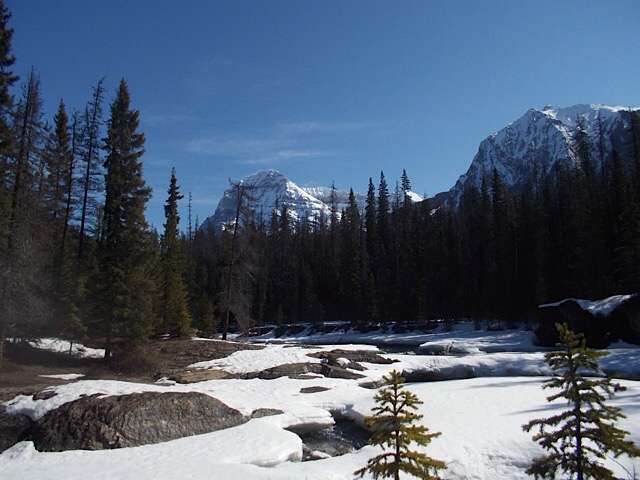
On the way to Emerald Lake we stopped and took in the views up and down the Kicking Horse River as it kicked on in the early thaw.

  Beautiful looking upstream…

  …and beautiful looking downstream!

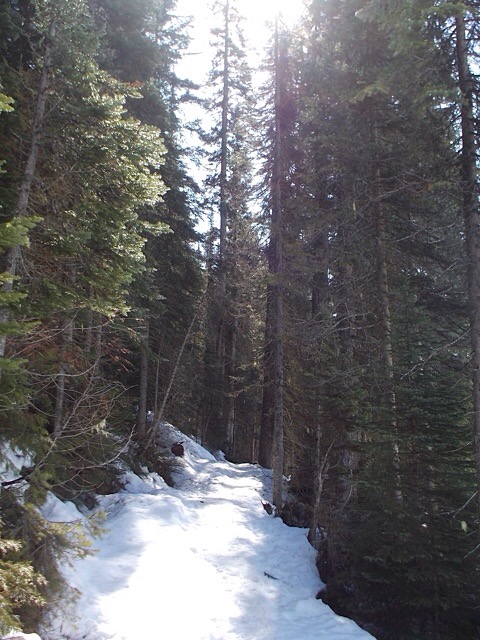
When we arrived at Emerald Lake, you could see the remaining snow on hiking paths was packed and easy to walk on without snowshoes. Of course, with spring temperature fluctuations, it was now avalanche season in Yoho, and this determined where we could hike safely. 

  Couldn’t miss – or ignore – the warning!

Jackets had to be removed, and no need for hat and gloves. It was so warm that butterflies were out! Best of all, you could breathe in pine fragranced air and hear almost total quiet – hushed enough to enjoy the occasional knocking of a woodpecker, the call of distant songbirds and the rush of wings as ravens flew overhead. Aah, spring. The path wound through trees and descended to the edge of the lake.

  Tantalizing views through the trees close to the lakeshore!

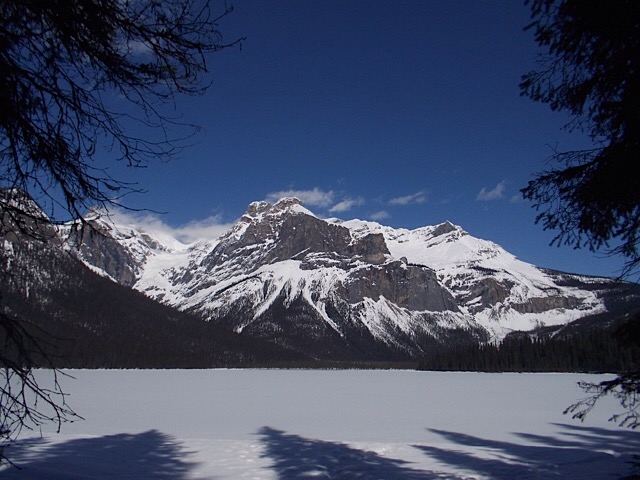
  Across Emerald Lake

It was actually pleasant to be in the cool of the shade from time to time, although really it was even more pleasant to feel warm sun on your face!

  Easy hiking on packed snow

Is it time to get back to the question at the heading of this piece? Yes it is, PlaidCamper! 

At intervals along the edge of the frozen lakeshore there were wooden signs providing information about the geology, flora and fauna around Emerald Lake. The rock flour or silt that is found in the water provides the beautiful summertime colour the lake is named for. Silt prevents much light penetrating the water and consequently there is relatively little aquatic life. However, according to the information, one of the larger fish species found is the (drum roll) Dolly Varden char. 

I was so intrigued by what seemed a strange name for a fish that I looked it up later. It comes from a Dickens character in Barnaby Rudge, who wore muslin over petticoats – a fashion in the late 1800s –  and the fish colouring and patterning is reminiscent of this. So, Dolly is a fashionable and literary fish! Probably better than naming it after a potential future ex…

It was such a delightful hike around the lake. We’d hoped for a blast of winter and were rewarded instead with a beautiful spring day. That, and making Dolly Varden’s acquaintance, made for a different mountain adventure. 

  Get it down, make it watertight, and go fish for a Dolly…

Now, I wouldn’t mind betting there’s a great recipe out there for Dolly – I’m thinking lemon, rosemary, and a hint of garlic. Any ideas?! Thanks for reading, and keep your guy ropes secure.

Eating outdoors, a cabin story, and a recipe

What to eat in the wild and the great outdoors? Now that’s a formidable question! Should we forage? Hunt? Pack in prepared dried goods? Is this a front country campground, a backcountry trip, or a stay in a cabin? So many options… (and so many recipe blog posts…fear not, I’ll eke them out over time!) Does food taste better outdoors?

 Food tastes better – and looks better – outside! 

Strangely enough, I attribute at least part of my enthusiasm and pretence at being an almost outdoorsman to a cookbook. A number of years ago, Mrs PlaidCamper stopped for a break and gasoline. Browsing a stack of books, she found “The Outdoor Living Cookbook” published by Williams-Sonoma. We love cookbooks (over the years, I’ve worked in a few kitchens, faking it and earning a living), so Mrs PlaidCamper bought the book. As with plaid shirts, you can never have too many…

We drooled over lots of the recipes, but truthfully, the real draw was the photography – dozens of pictures of lakes, forests, rivers, and cabins taken in all four seasons in many North American locations. We couldn’t (OK, I couldn’t) get enough of the outdoorsy settings. 

A few months later, we visited Brother PlaidCamper, a sibling who’d moved to West Virginia some years earlier. For part of the trip, we stayed in a 1930s log cabin, and were so happy – our first cabin visit – and we brought The Outdoor Living Cookbook with us. We were in a cabin! In the wilderness! Just like the cookbook! And with the cookbook! I remember Brother PlaidCamper looking at us, the cabin, and the cookbook we’d brought with us all the way from England. He glanced at his wife – born in West Virginia, no stranger to cabins, in fact she can’t fathom our romantic views – and they shrugged and shook their heads, thinking, so sad…

  Idyllic West Virginian cabin (well, we thought so…)

Where’s the recipe PaidCamper? Right, I’m on it. Last summer, we had a lovely lunch at SoBo in Tofino BC. We’d heard great things about the restaurant and weren’t disappointed. We bought the cookbook by SoBo’s talented chef-owner, Lisa Ahier. It’s a beautiful book, full of wonderful recipes, stories and pictures, a delightful snapshot of Tofino and the surrounding area through all four seasons – if you enjoy Pacific NorthWest ingredients, cooking and scenery, I highly recommend the book. A recent favourite to cook out on a barbecue is cedar planked salmon, and our method was inspired by the recipe in the SoBo book (her recipe uses dry mustard, we prefer grainy):

  • Soak your cedar plank in water for four to six hours 
  • Heat your barbecue/grill to medium-high
  • For each fillet mix 2 tablespoons grainy mustard with 1 tablespoon brown sugar and a sprinkle of salt 
  • Rub a little olive oil on each side of the fillet 
  • Place skin down on the plank and spoon the mustard glaze on top
  • Put the plank on the grill, close the lid
  • Cook for 15-25 minutes depending on fillet thickness, preference and grill speed
  • Check every few minutes, keep a jug of water handy for flames!

 Cook it, might be good enough to eat…

We often serve this with rosemary potatoes – bite sized pieces of potato mixed with rosemary leaves, a crushed garlic clove, a little salt and olive oil, and all wrapped in a foil parcel to cook on the grill. Delicious! Most recently, to drink with the meal, we had a couple of bottles of Red Seal Ale from North Coast Brewing, Fort Bragg, CA – spicy, hoppy, but not too overpowering, and a perfect companion to the fish. Lovely outdoor eating and drinking (I’ll be truthful, we cooked outdoors but ate indoors, it being early spring in the Rockies!)

  Definitely good enough to drink!

I have to admit, for me, the favourite part about cooking this recipe is the soaking and handling of the cedar planks. It is a beautiful aroma – I’d probably be content with a damp piece of cedar, a bottle of beer, and forget the actual cooking. Is that strange? Although, when I think about it, the fragrantly heady smoke from the grill is pretty pleasant too…instantly transported to the West Coast!

Do you have a favourite outdoor recipe? Please feel free to share. Thanks for reading, and keep your guy ropes secure.
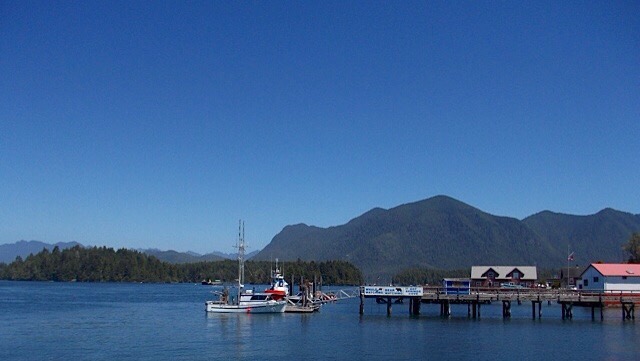
A monochrome Field day for PlaidCamper – and a tiny house obsession revealed…

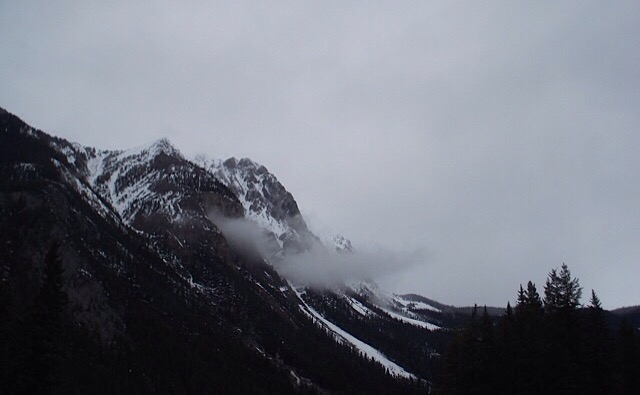
That’s not a mistake! Field should be capitalized – just last week we went to Field BC, located in beautiful Yoho National Park. We had a few days off so headed out to stay in a cabin overlooking the village. Whenever we visit, we know the weather will likely be changeable, particularly in spring, but the setting is always spectacular. One black and white morning, we took a little hike around and about the town.

Towering mountains flank Field on each side, and even on an overcast day, make an impressive sight. So much so, I couldn’t stop taking pictures. (I’d have been in real financial trouble in the predigital days of buying and processing camera film!)

I love how being in mountain landscapes gives me a sense of perspective – our time on the planet is so short compared to geological time – any issues or troubles can seem trivial (or at least not so much a problem) in such vast settings. Our human accomplishments and failed flailings are all put into place. We can make our mark on nature, for good or ill, yet I believe that if they could, mountains would simply look down at us, shrug indifferently at our feeble concerns, and continue to weather the real passage of time long after we’re gone. I think there’s a certain comfort in that…

               The Kicking Horse River flows through the valley.

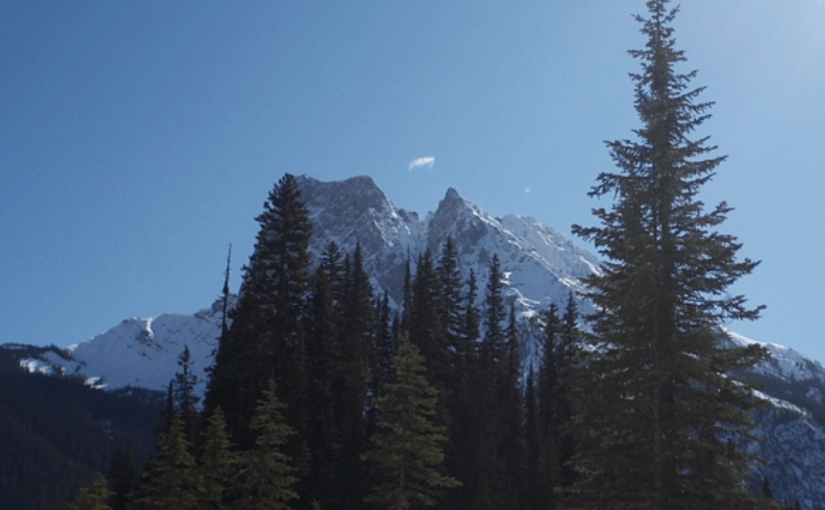
               Mount Stephen looms over the town, a dizzying 10 495 feet above sea level

             In just a few minutes, the mist would gather (above) and then clear (below)

            In addition to the lovely mountain vistas, there are smaller sights as well. Field has a number of beautiful old buildings, and they tell interesting stories about Field’s past. Below are pictures of a couple of them.

  The photo above is of the Park Superintendent’s house, completed in 1930. It is a delightful Arts and Craft style building – the original intent of the design was to impress upon viewers the importance and dignity of the Park Superintendent. Park officials were trying hard to gain recognition and respect from the hard working miners and railway men who dominated the town’s population in times past. My guess would be that then, as now, the interests of commerce, industry, and Parks conservation and management did not always align.

  The little building pictured above sits at the top of the town with a commanding view over the valley. It used to be the headquarters of Field’s RCMP detachment. The story goes that a prisoner’s cell door wouldn’t actually be locked in the event of a fire burning the building and a prisoner was in the cell. Those were simpler, more trusting times! These days the building provides a home for Park workers. Pretty nice accommodation.

  The final picture above, is also pretty nice accommodation – it’s where we stay when in Field! A lovely little cabin, sleeps two (very) comfortably, with amazing views out of all the windows. 

I am fascinated by tiny cabins and houses – my inner hippie is fully aware that unnecessarily large dwellings are unsustainable in the long term. As a not so closeted treehugger, my hope is that one day, sooner rather than later, we catch onto this and begin to build more modest and appropriate homes. The little cabin above is a delight. The owner tells me it is not quite 600 square feet, but I find it roomy, modern and in no way Spartan on the inside. I’d happily live in something similar full time if such places were more readily available. Maybe I should build one myself…that would be an adventure!

I hope you enjoyed this little black and white tour of Field. Just a tiny taster, barely scratching the surface of the history and beauty of this small community. We always enjoy visiting, secure in the knowledge that time in Field is special, with peace and quiet virtually guaranteed – Field’s population is less than 200 lucky souls sharing a wonderful mountain town. 

Have you visited Field and Yoho National Park? Do you have a favourite mountain destination? Please feel free to share your thoughts. Thanks for reading, and keep your guy ropes secure.

Beautiful places and the contradictions of wilderness adventures – plus Chasing Clayoquot (an excellent read!)

I love being out in the wild – but is there a cost? A recent talk and a great book had me thinking about this…

The other day, I was fortunate to be able to attend a National Geographic presentation by David Doubilet and Jennifer Hayes entitled “Coral, Fire and Ice”, about many of their recent adventures and assignments as marine photographers (discover more here). The stories they told, and photos and movie clips they shared, were absolutely spellbinding. From seal pups in northern Newfoundland to tiny lantern sharks lurking down in the depths, each tale and accompanying image entirely increased my sense of wonder at the diversity of aquatic life (and highlighted my enormous knowledge gap when it comes to the ocean). 

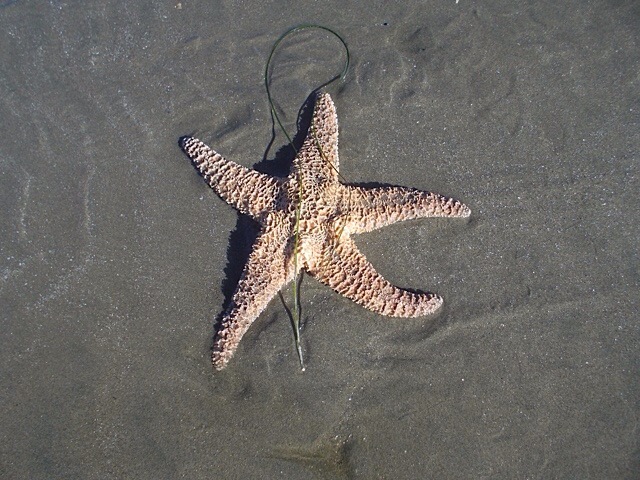
                An incredible creature – Long Beach, Vancouver Island

Hayes and Doubilet talked with passion and humour about their underwater experiences. Their delight, concern and compassion for this vast and largely undiscovered wilderness cannot be overstated. They were remarkably honest and clear eyed about a potential contradiction in what they do everyday. They have a sense of mission in bringing both beautiful and dark stories to the attention of as many people as possible. They witness how human activity is having a devastating impact on many marine species. In the past two hundred years, human-marine interactions have been increasingly detrimental to the underwater life forms Doubilet and Hayes are seeking to protect. The contradiction is knowing that simply by being in the water, they themselves, as well meaning documentarists, are causing a degree of distress to the very creatures they want to help – they are a disturbance.
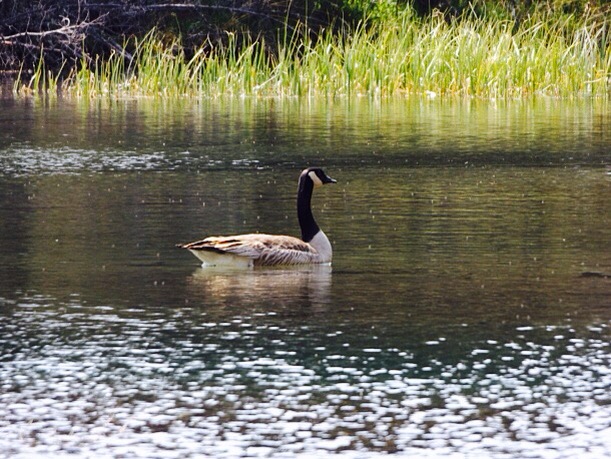
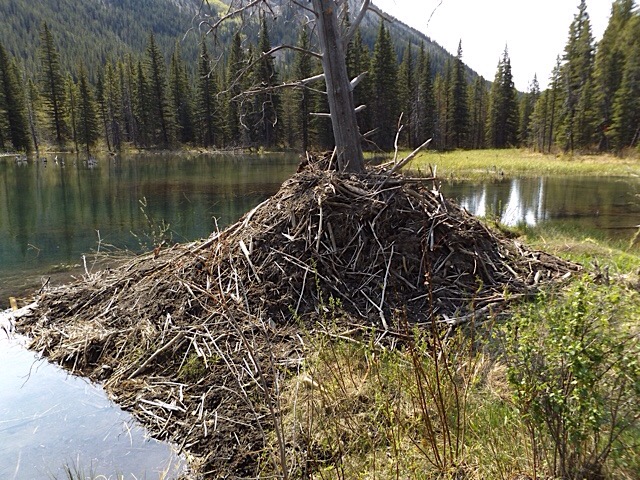
My thought is that Doubilet and Hayes needn’t be too concerned about the impact they are having – the benefits outweigh any unintended discomfort or distress they may cause to a small number of sea creatures. We need them to be under the water, capturing amazing images of incredible creatures and educating the widest possible audience about this little known yet threatened wilderness. But it did get me thinking about my own presence in the great outdoors. 

              The great outdoors – Wild Pacific Trail, Ucluelet, Vancouver Island 

I don’t regard myself as unsympathetic to the plight of the planet – I even believe that my adventures outdoors show a sort of respect and understanding. As a teacher, I always encourage students to research and experience what they wish to know, and I apply the same expectation to myself. So, to appreciate our planet, and my particular current corner of it, requires that I get outside. But I sometimes wonder, as I asked earlier, at what cost? 

I must be having an impact on whatever wildlife resides there – think of the bear that needs to focus on 200 000 berries each day in late summer to get ready for hibernation. A human blundering by can only be disruptive, making it that much tougher to survive. Perhaps I’m being overly sensitive…the bear just thinks, oh, him in the plaid shirt again.

               Pristine sands, a beautiful pattern, Long Beach, Vancouver Island
I’m not a fan of being under the water, but I do enjoy being on it. We recently finalized plans for a trip to Clayoquot Sound this coming summer. It will be a return visit – we enjoyed a few days in and around Tofino last summer, and were so smitten by the landscapes that we couldn’t wait to visit again. 

I’ve been reading David Pitt-Brooke’s excellent book “Chasing Clayoquot”, in which he writes a chapter for each month devoted to an outdoor adventure in the Clayoquot region. He has an amazing grasp of the ecology, history and geology of Vancouver Island. His descriptions evoke the beauty and uniqueness of the Clayoquot biosphere, an incredibly beautiful yet threatened environment. He muses on the impact he has on his immediate surroundings – in one chapter, a short intertidal walk causes him to pause and ponder on how his presence disturbs the place he loves and appreciates. It is a conundrum, to visit and interact in a wilderness, and publicize the beauty of hidden places so that others can share that appreciation, yet avoid upsetting what makes these places so special.

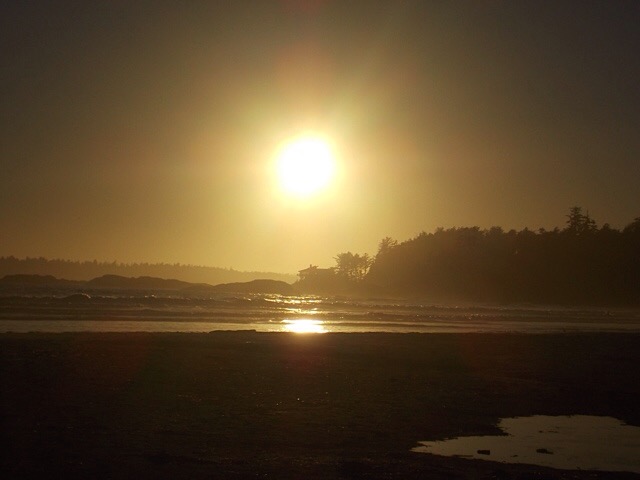
            Sunset on Chestermans Beach, Vancouver Island

Pitt-Brooke makes the point that we only seem to love a species or place once it’s very existence has become threatened. Why can’t we value our natural treasures and resources – all of them essential to our wider ecosystem and overall survival – before they are on the brink of extinction?

There are no easy short term answers to how we manage our relationship with wild places. Still, it does no harm to stop and think about some of the questions, have an awareness of what we are doing – even as we move through these beautiful habitats.

Do you share some of these concerns? Feel free to write a response and share a thought! Thanks for reading, and keep your guy ropes secure.