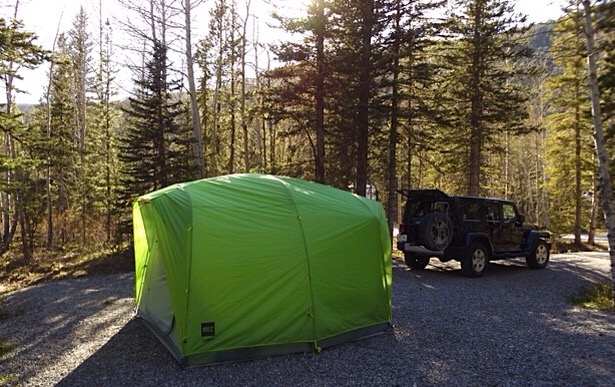
Sometimes, undiscovered and new outdoor places can almost be in your own backyard! This was the case just last weekend for us. We stayed at a new – to me – campground, and it was a wonderful discovery.
Our short stay at the Tunnel Mountain campground just outside Banff a couple of weeks ago was enjoyable enough for the views and to try the new tent, but it maybe wasn’t the most peaceful of places. When I mentioned this to a colleague, she recommended Beaver Flat campground on the Elbow River in Kananaskis country. I’ll admit to being a bit doubtful, thinking that a site barely an hour from the city couldn’t possibly be tranquil.
 The Elbow River – a little bit tranquil?
As is often the case with outdoor related items, I was wrong. Once again. The campground and surrounding area was absolutely delightful, and relatively uncrowded for a warm and sunny weekend. I got the impression that the folks we saw out and about – cyclists, campers, hikers, twitchers, photographers and all – were there for the quiet, and because there isn’t a Banff or a Canmore nearby. I love those mountain towns, but they can fill up fast…
 A quiet stretch of the Elbow
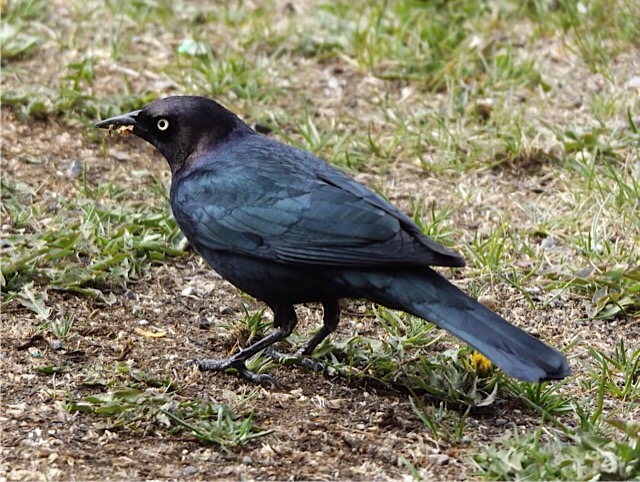
Our weekend patch of the Elbow valley was people quiet but teeming with wildlife – although we didn’t see anything much larger than this little guy: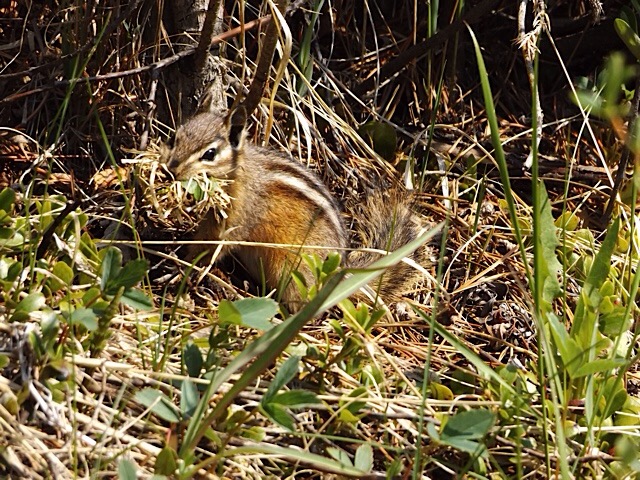 He was busy enough, so we backed away!
Being unfamiliar with the area, we didn’t wander too far, yet uncovered plenty of natural delights. A short ramble from the tent, we saw where beaver activity had created a series of small ponds with dams that provided lovely views:
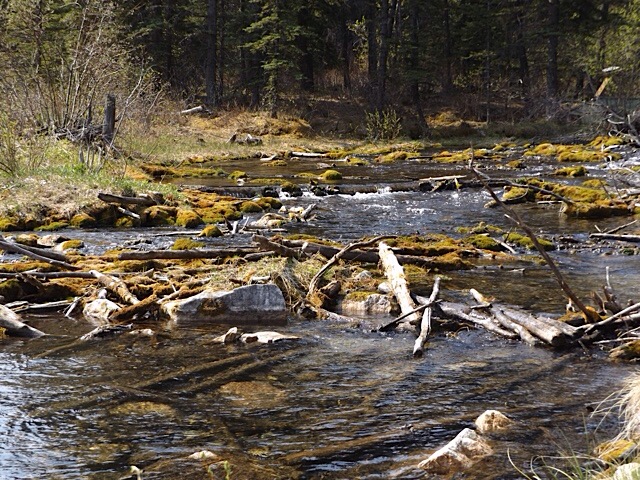 Industrious beavers nearby…
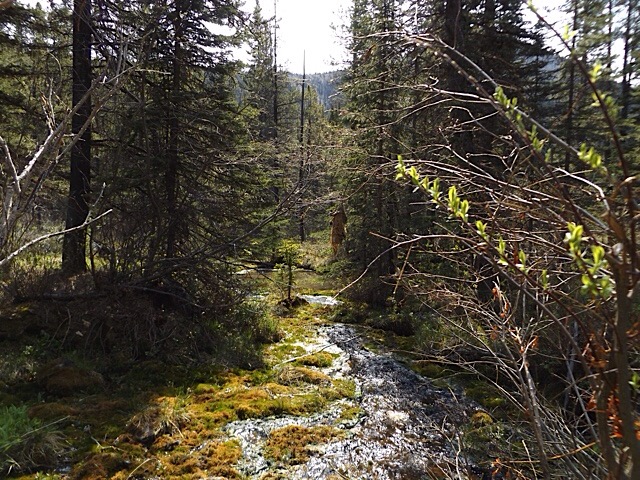 A babbling brook
Several times, a pair of geese flew directly over our tent, heading for the pond pictured below – we saw this single goose bank in and land on the water, an impressive sight! The goose in this photo seemed quite despondent, calling frequently. We wondered, had it lost a mate, was it one of the pair we kept seeing?  A lonesome goose?
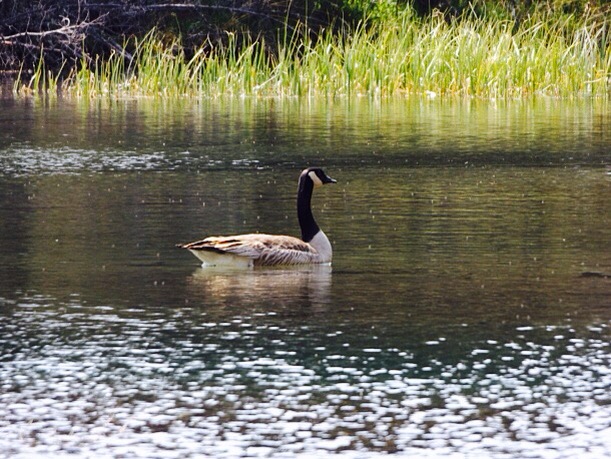 Maybe…
There was plenty to indicate the presence of beavers: 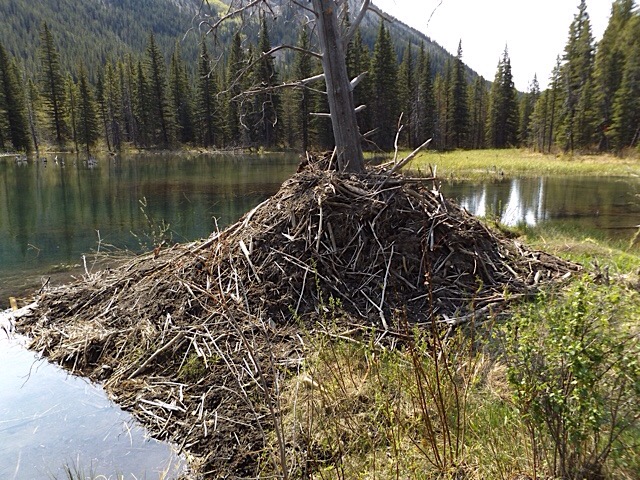
Didn’t see any beavers, but we did spy a small amphibian:  It was tiny!
Quite honestly, walking around and investigating the immediate surroundings, we didn’t get more than an hour from the tent yet really enjoyed our explorations. It was a welcome short break from the city, and a chance to recharge before the final few weeks of a busy school year.
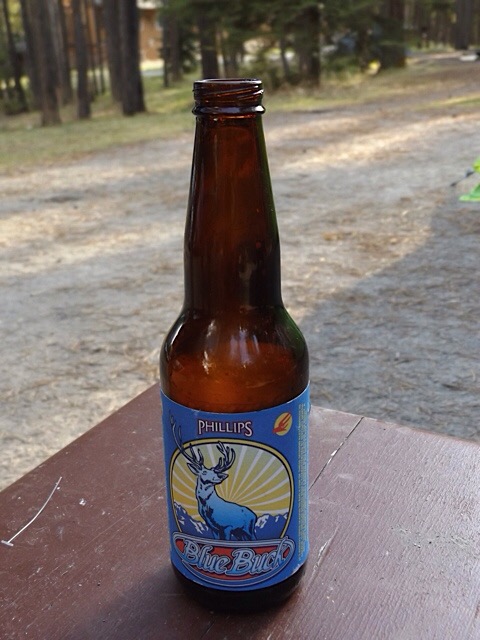
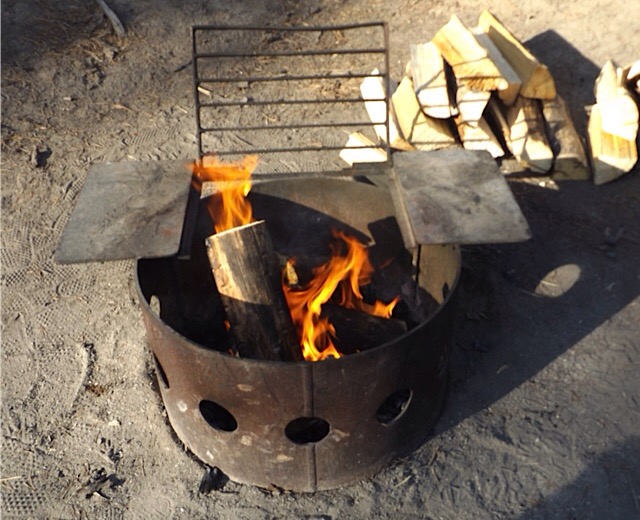
 Come the evening, is there a better way to unwind?!
I’m so happy to have had the recommendation about where to camp out in Kananaskis, as it was such a pleasant place to spend a weekend. It’s early in the camping season here, and K-country does get busier as the weather warms up, so I’m passing on the recommendation: if you get the chance, head out to the Elbow valley and stay in one of the campgrounds sooner rather than later – you won’t regret it! You don’t have the enormously epic mountain scenery of the nearby national parks, instead it is gentler, yet still rugged, scenery.
 Old and plaid, and enjoying K-country!
I’m hoping the weather remains fine and we manage to return in the next week or two – there were some enticing trails to be explored…
Do you have a favourite camping spot, or a campground recommendation? Thanks for reading, please feel free to share or make a comment, and keep your guy ropes secure.





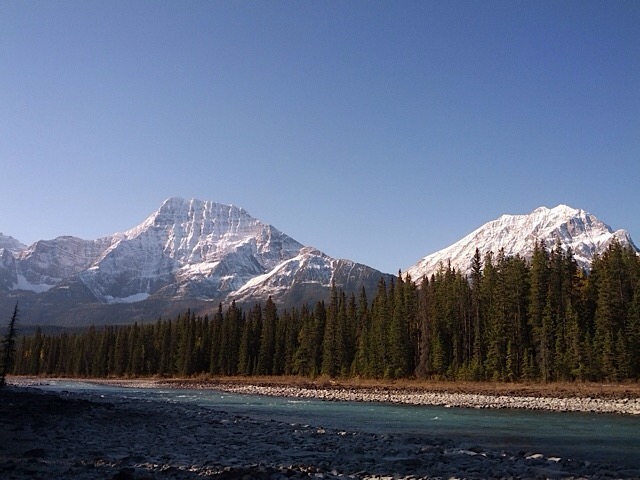 Pretty and wild – Jeremiah would have liked the Athabasca River, AB
 Snow capped peaks – Castle Mountain, Bow Valley AB
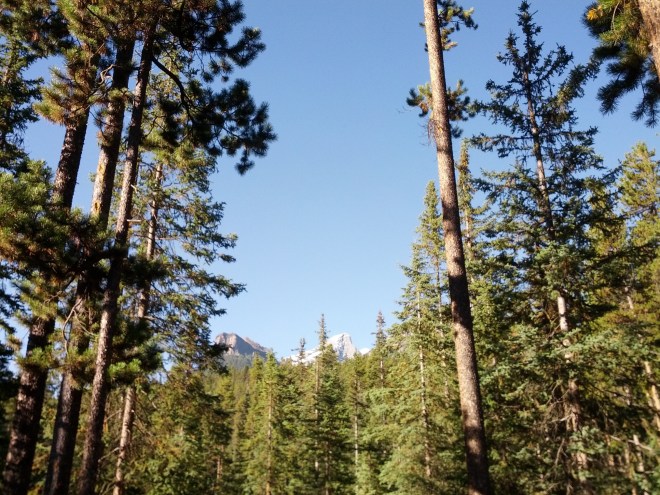 Tall trees and fresh air…




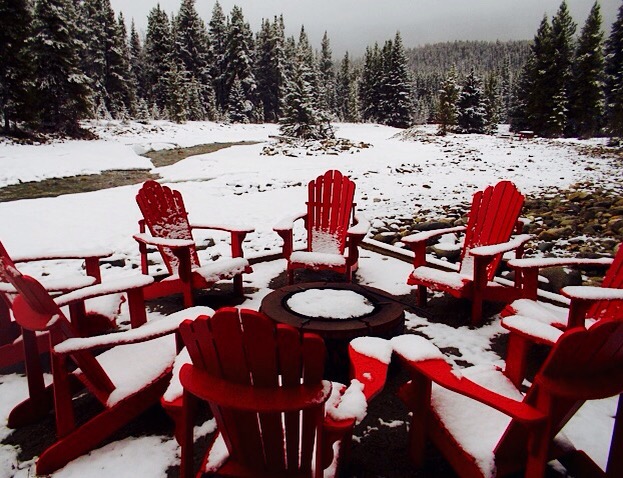

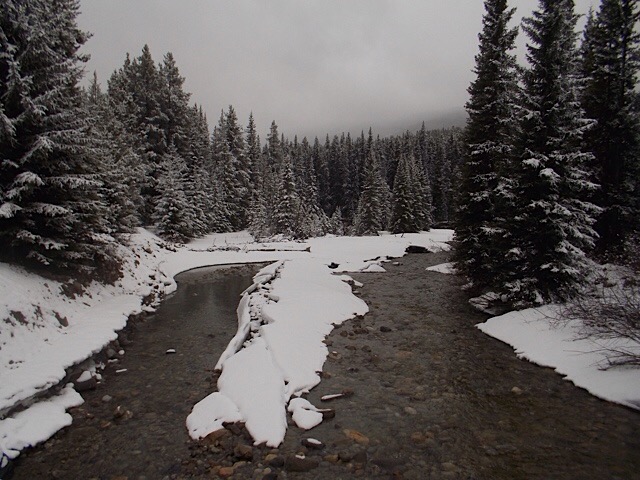


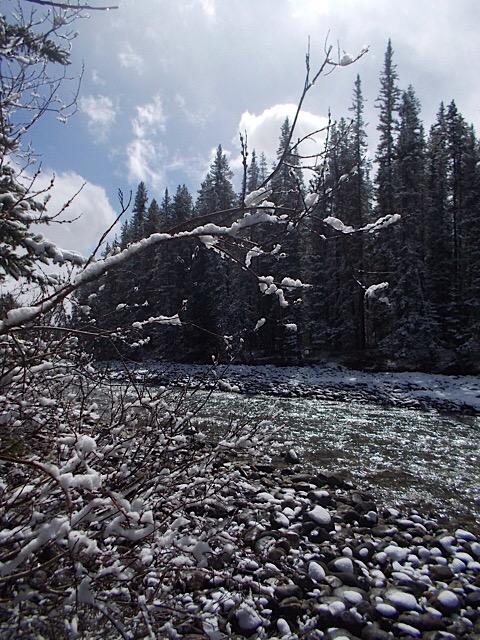

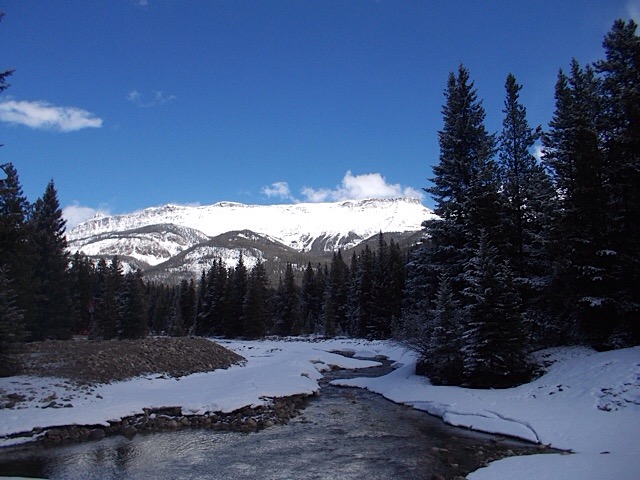
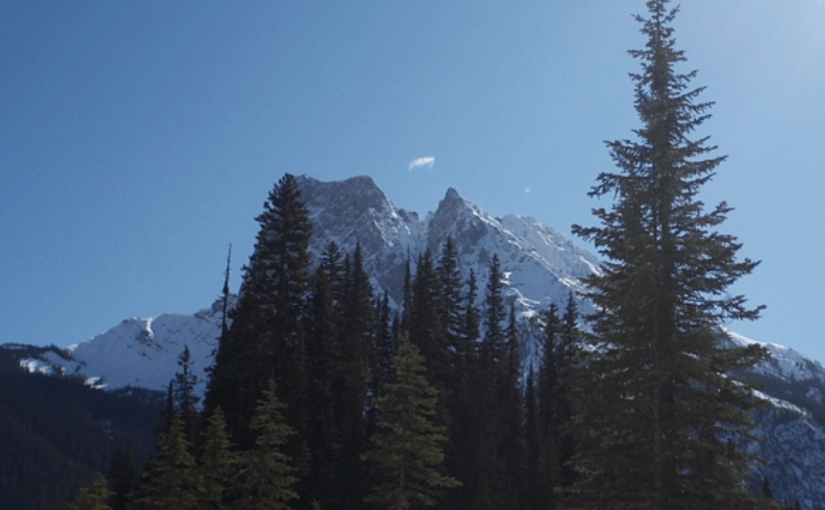
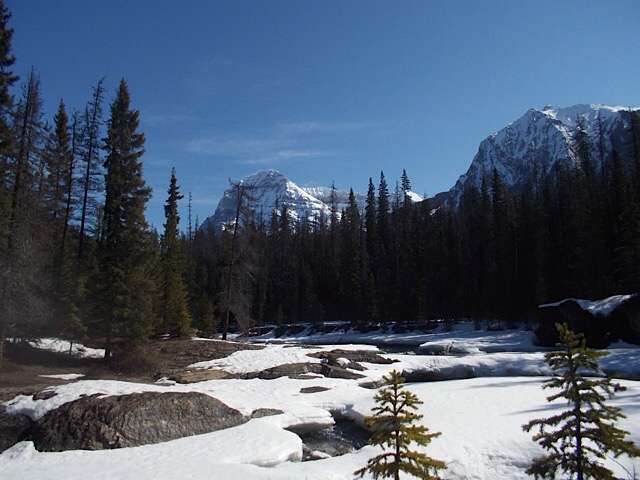 Beautiful looking upstream…
 …and beautiful looking downstream!
 Couldn’t miss – or ignore – the warning!
 Tantalizing views through the trees close to the lakeshore!
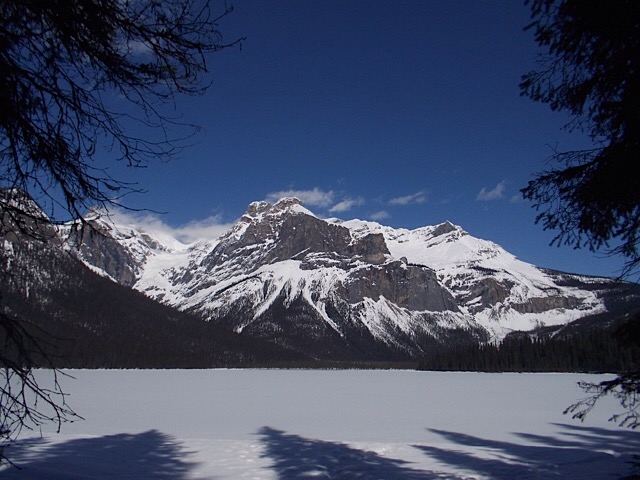 Across Emerald Lake
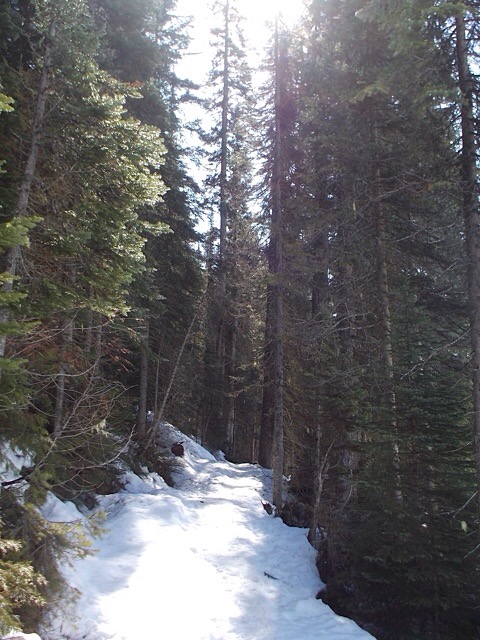 Easy hiking on packed snow
 Get it down, make it watertight, and go fish for a Dolly…
 Food tastes better – and looks better – outside!
  Idyllic West Virginian cabin (well, we thought so…)
 Cook it, might be good enough to eat…
 Definitely good enough to drink!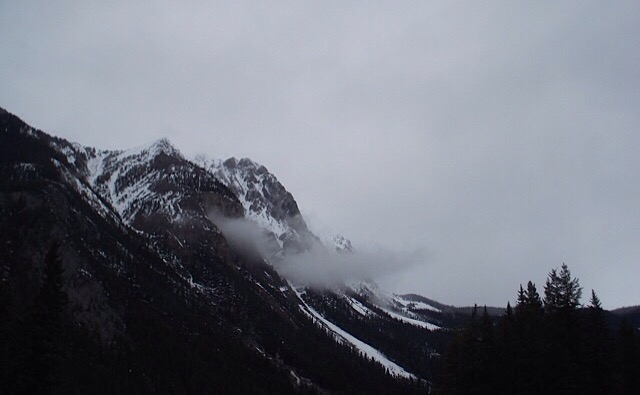
 The Kicking Horse River flows through the valley.
 Mount Stephen looms over the town, a dizzying 10 495 feet above sea level
 In just a few minutes, the mist would gather (above) and then clear (below)
 In addition to the lovely mountain vistas, there are smaller sights as well. Field has a number of beautiful old buildings, and they tell interesting stories about Field’s past. Below are pictures of a couple of them.
 The photo above is of the Park Superintendent’s house, completed in 1930. It is a delightful Arts and Craft style building – the original intent of the design was to impress upon viewers the importance and dignity of the Park Superintendent. Park officials were trying hard to gain recognition and respect from the hard working miners and railway men who dominated the town’s population in times past. My guess would be that then, as now, the interests of commerce, industry, and Parks conservation and management did not always align.
 The little building pictured above sits at the top of the town with a commanding view over the valley. It used to be the headquarters of Field’s RCMP detachment. The story goes that a prisoner’s cell door wouldn’t actually be locked in the event of a fire burning the building and a prisoner was in the cell. Those were simpler, more trusting times! These days the building provides a home for Park workers. Pretty nice accommodation.
 The final picture above, is also pretty nice accommodation – it’s where we stay when in Field! A lovely little cabin, sleeps two (very) comfortably, with amazing views out of all the windows.
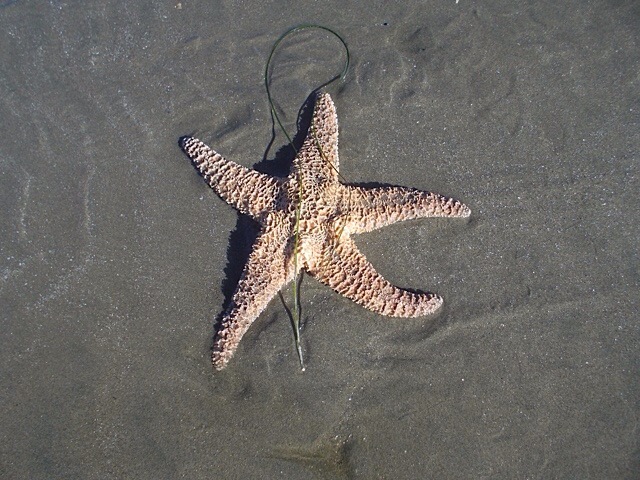 An incredible creature – Long Beach, Vancouver Island
 The great outdoors – Wild Pacific Trail, Ucluelet, Vancouver Island
  Pristine sands, a beautiful pattern, Long Beach, Vancouver Island
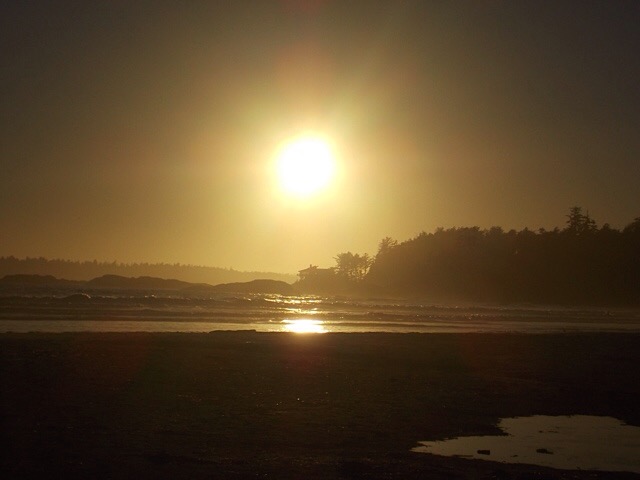 Sunset on Chestermans Beach, Vancouver Island
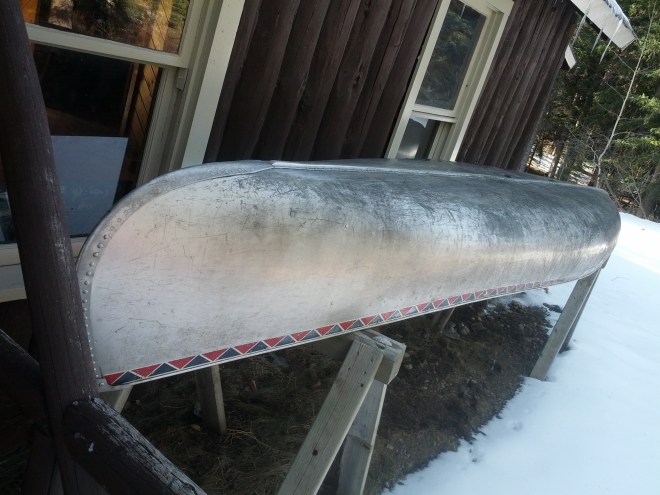 Waiting for the waterways to open…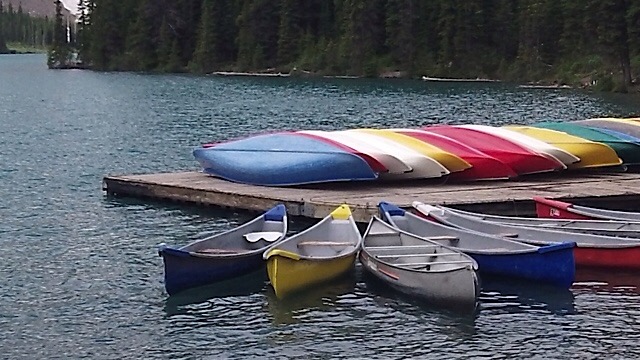
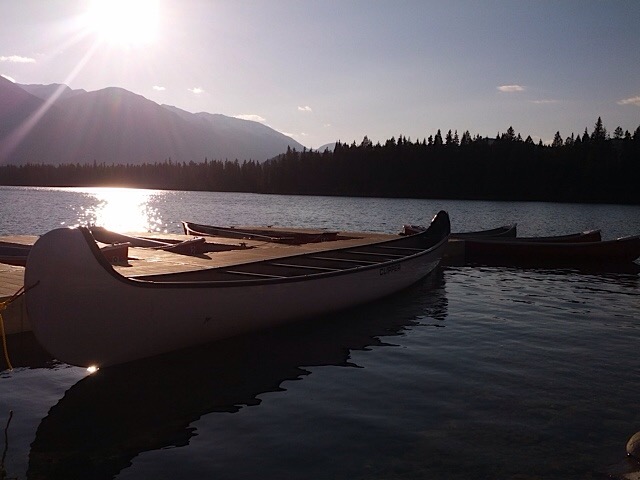
 An evening view from a canoe – Bow River, AB
 OldPlaidCamper