Oh how I wish I’d thought of that post heading, but I borrowed it – the title of a new favourite book, “The Living Mountain” by Nan Shepherd. A wonderful little volume, I’d never heard of it until a few months ago. There’s a story behind that…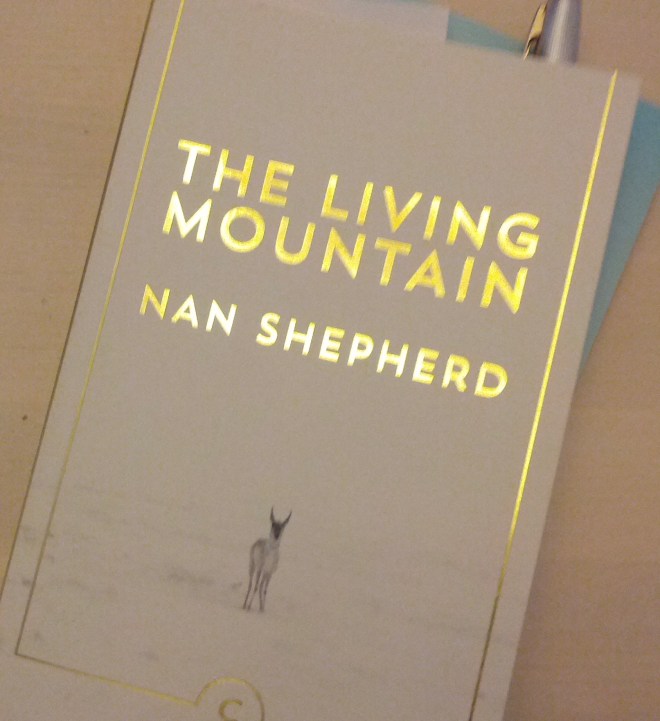
Back in late January, Junior announced she’d applied for a chef position with the Fairmont group. Fair enough, a good company to work for by all accounts, and a chance to learn and refine her skills in a different environment, with hotels in beautiful Alberta and BC locations. All true, but the position she’d applied for was in St. Andrews, Scotland. Also beautiful, but somewhat further afield! Two weeks after her announcement, she was on a jet plane heading for new adventures, and has been having a lovely time the past few months, so well done, Junior!
How does this connect to “The Living Mountain” mentioned at the start? The day Junior was on her way, I came home from the airport, rinsed my contact lenses – seemed to be having an issue with welling up – and started to read The Guardian paper online. Would you believe, that very day, they had an article suggesting the top ten books about wilderness Scotland? An interesting mixture of fiction and non-fiction, and because it was about books, I was brave enough to venture BTL and read comments and suggestions. It was there I saw Nan Shepherd recommended over and over, so I managed to track down a copy.
What a find! Nan Shepherd’s slim volume is wonderful, a love letter to the beauty of the Cairngorm mountains, a place she explored her entire life. Her writing is outstanding – intense, detailed and meditative, describing the mountains using all her senses to bring them alive. She loves her mountains, and cannot quite believe their beauty. On describing the clarity of water:
Water so clear cannot be imagined, but must be seen. One must go back, and back again, to look at it, for in the interval memory refuses to recreate its brightness. This is one of the reasons why the high plateau where these streams begin, the streams themselves, their cataracts and rocky beds, the corries, the whole wild enchantment, like a work of art is perpetually new when one returns to it. The mind cannot carry away all that it has to give, nor does it always believe possible what it has carried away.
You find yourself nodding with shared recognition at her delight in the natural world. When she describes silence at altitude, it is really about peace and quiet, rather than the absence of sound:
To bend the ear to silence, is to discover how seldom it is there. Always something moves. When the air is quite still, there is always running water; and up here that is a sound one can hardly lose…but now and then comes an hour when the silence is all but absolute, and listening to it one slips out of time. Such a silence is not a mere negation of sound. it is like a new element, and if water is still sounding with a low far-off murmur, it is no more than the last edge of an element we are leaving, as the last edge of land hangs on the mariner’s horizon.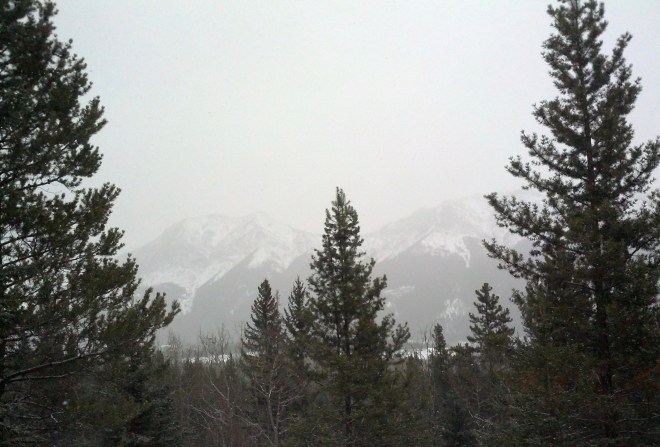
There is a lovely section about how she is like an excited dog surrounded by the scents of the mountain:
On a hot moist midsummer day, I have caught a rich fruity perfume rising from the mat of grass, moss and wild berry bushes that covers so much of the plateau. The earthy smell of moss, and the soil itself, is best savoured by grubbing. Sometimes the rank smell of deer assails one’s nostril, and in the spring the sharp scent of fire.
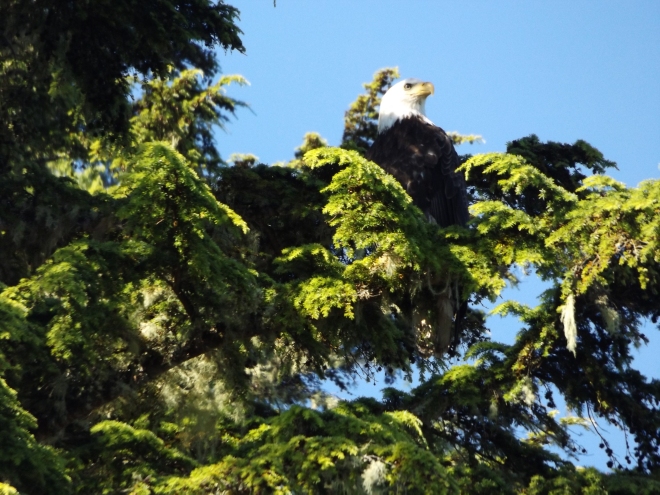
I enjoyed how she captured the animal life on and above the mountain, like the eagle rising coil over coil in slow symmetry…and when he has soared to the top of his bent, there comes the level flight as far as the eye can follow, straight, clean, and effortless as breathing. There is a description of hares streaking up a brown hillside like rising smoke – perhaps hoping to avoid becoming prey to the eagle?
Every page reveals how Shepherd increases her love for the mountain. She understands the immeasurable value and importance of time spent in nature:
Yet with what we have, what wealth! I add to it each time I go to the mountain – the eye sees what it didn’t before, or sees in a new way what it has already seen.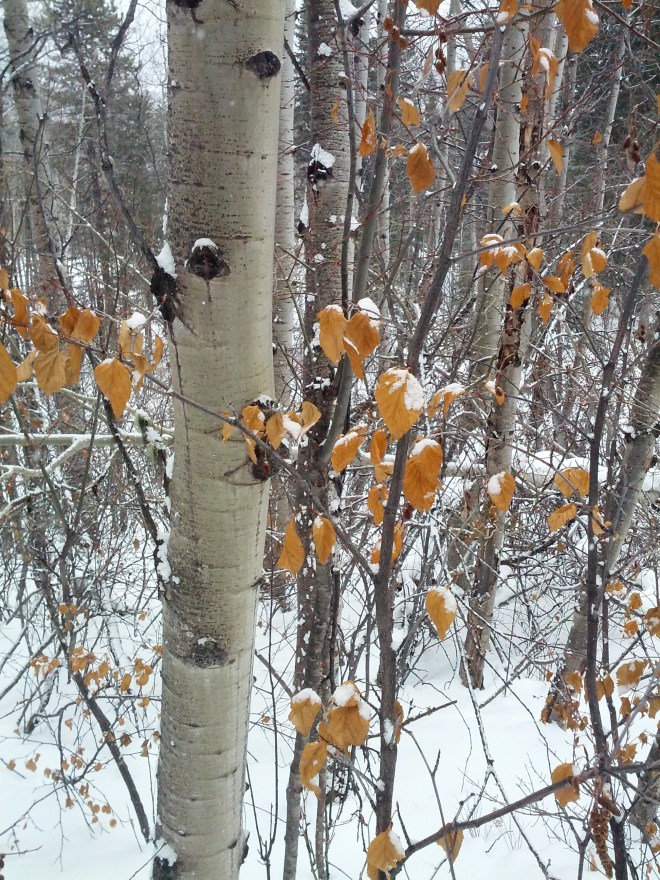
What wealth indeed. The challenges to our natural environment have increased enormously in the decades since Shepherd wrote and published. Wild places are under more and more commercial pressure, reducing the opportunities to slow down, immerse the physical (and mental) self in outdoor beauty, and stop to contemplate the treasures we have. It is splendid to have books like “The Living Mountain”, but I wonder if in the near future, her record and those like it, will be all that remains, that we’ll be reading about instead of experiencing first hand the wonders of our natural world?
Many years ago, we took a camping trip in Scotland when Junior was a wee bairn. It was her first time camping, and she enjoyed it, from being bathed in a washing up bowl to sleeping soundly (phew!) in a tent, despite the wind and rain outside. Sometimes sunny, oftentimes wild and woolly, it was a fun trip. We got as far as the Cairngorms, but didn’t spend any significant time up there. Better informed now, thanks to Nan Shepherd, and with Junior as an advance party, it seems as if we’ll have to arrange another trip…
I’ll stop now, because otherwise all I’ll do is continue to select passages to illustrate how much I enjoyed Nan Shepherd’s mountain musing. The best thing is to get a copy – I heartily recommend it.
Thanks for reading, and have a wonderful weekend!
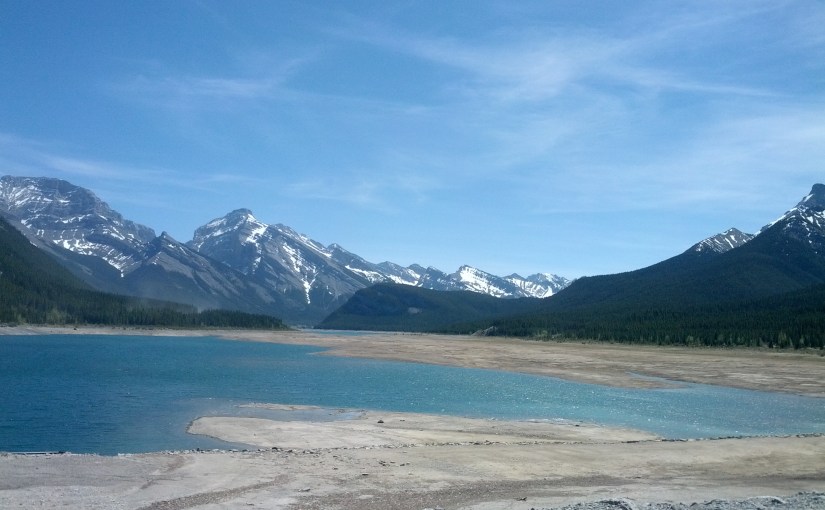
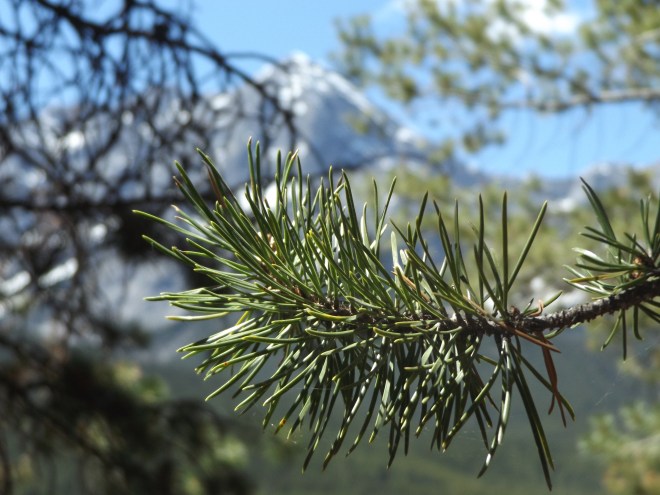
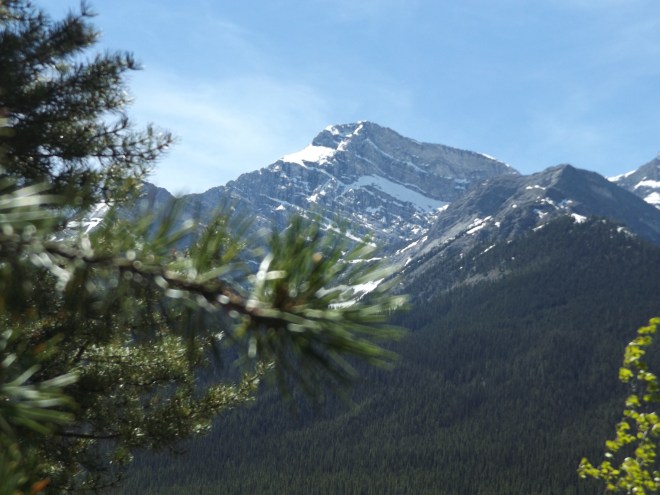
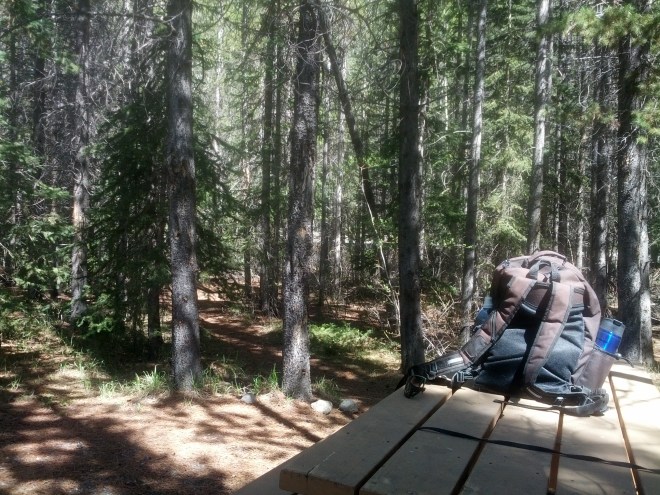
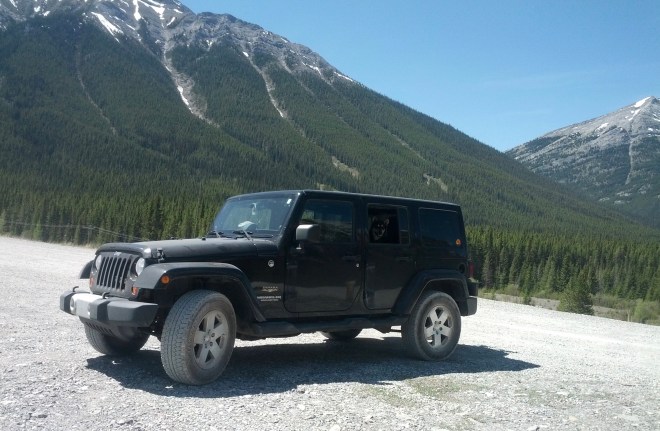
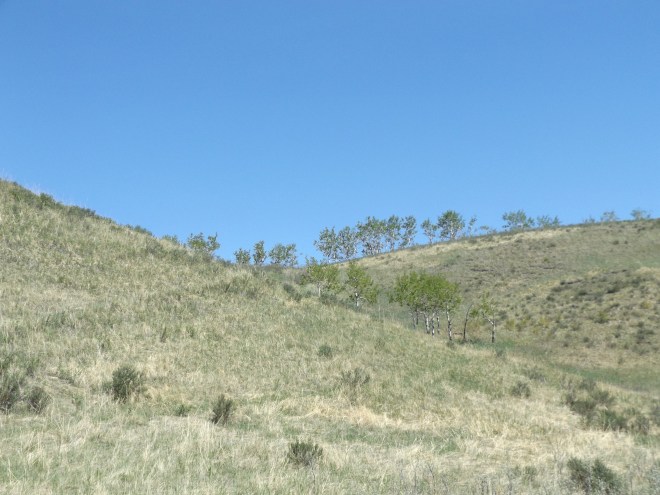
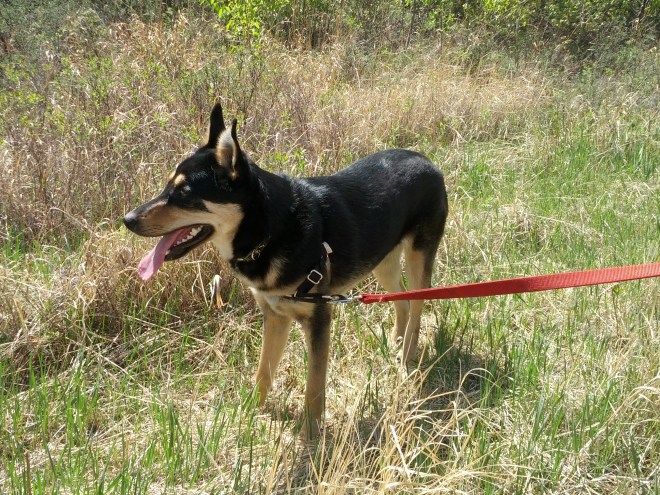
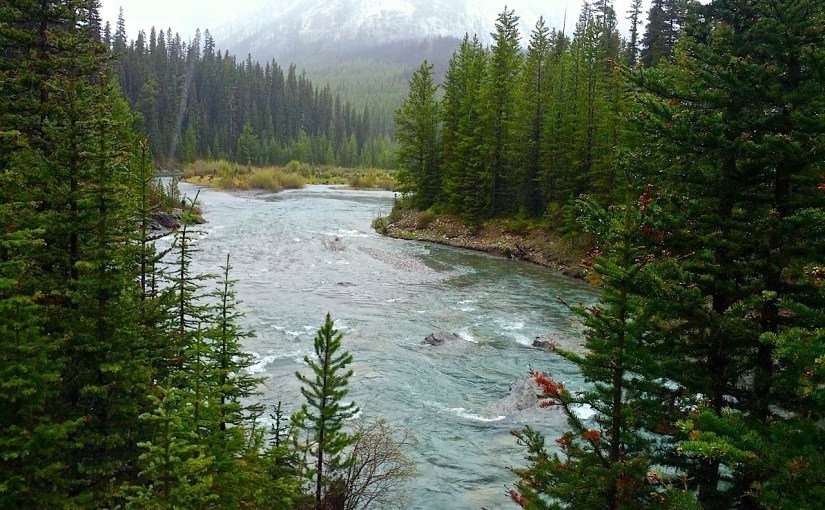
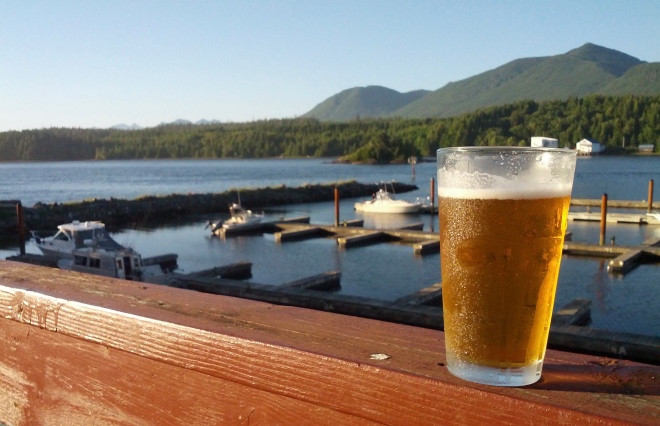
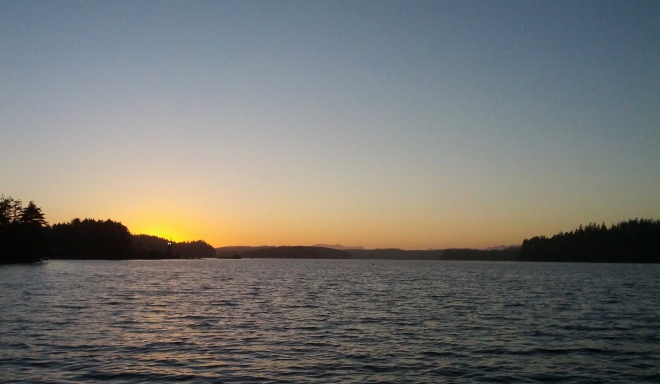
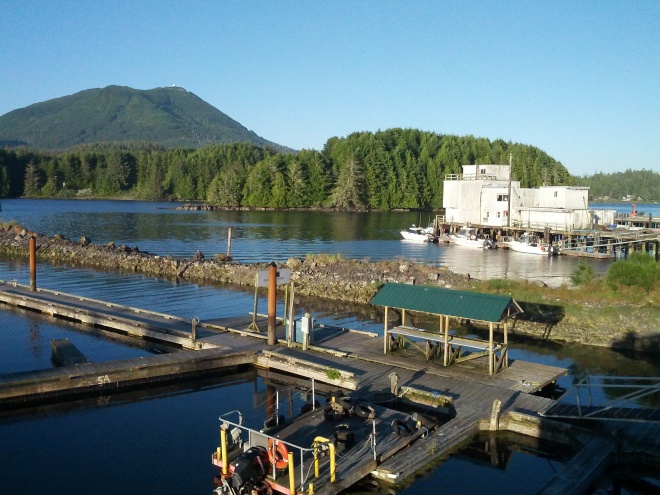
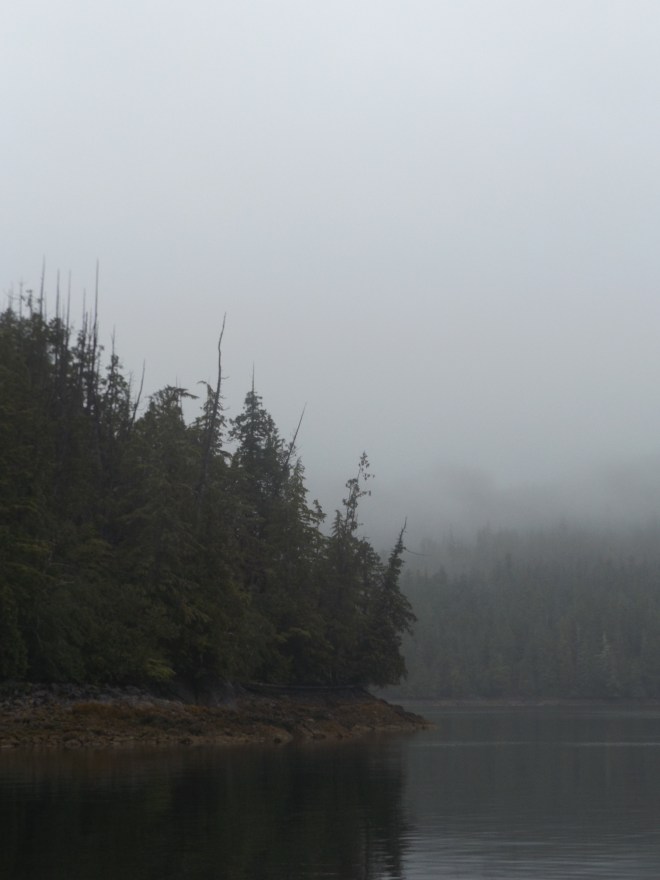
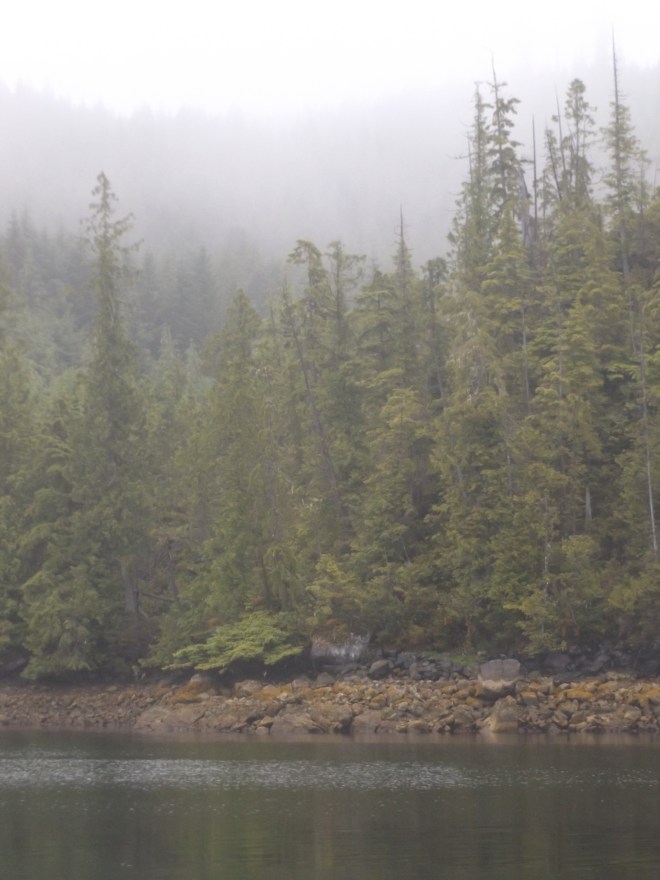
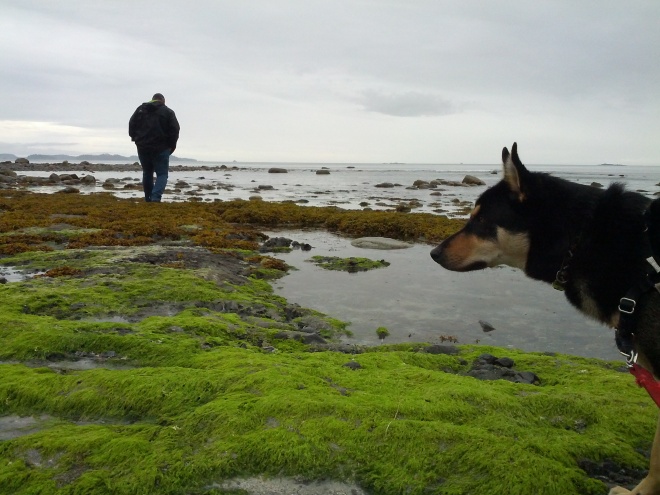
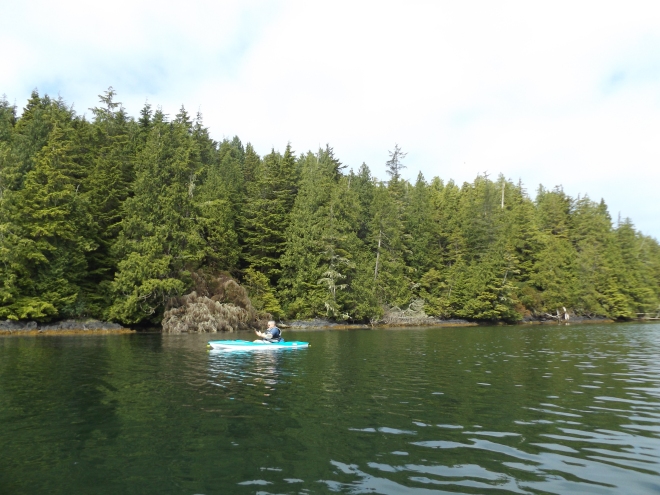
PS The photographs featured this week were all taken out and about in the past six months – not of the Cairngorms, but in our living mountains here in Alberta.



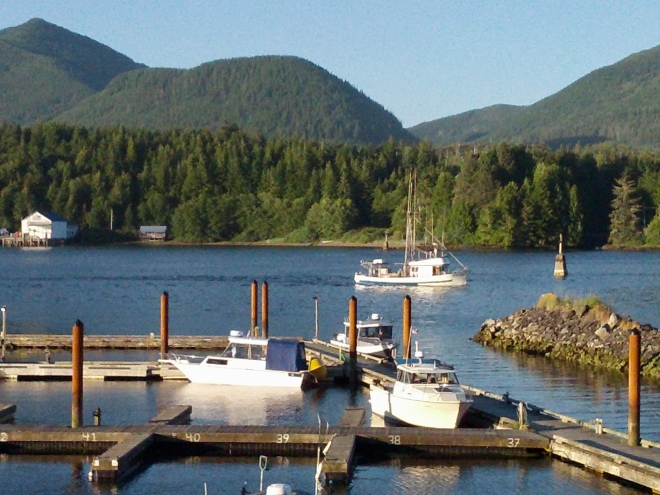
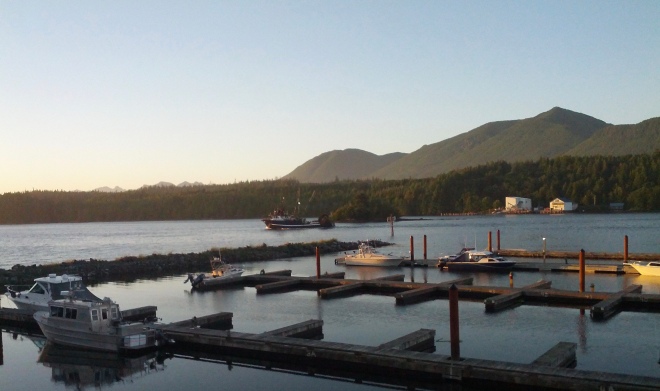
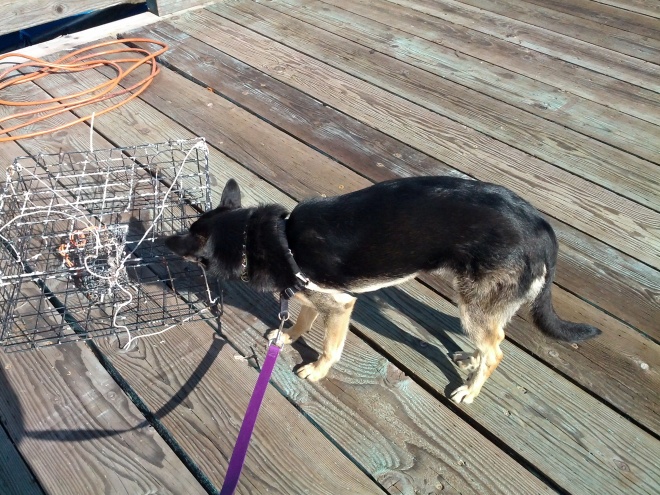


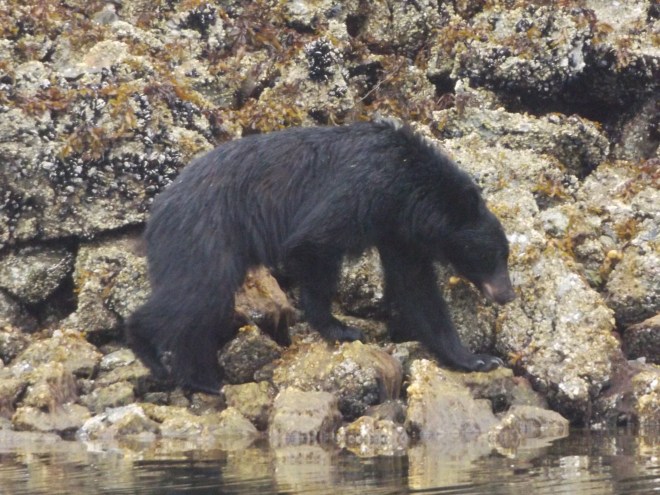
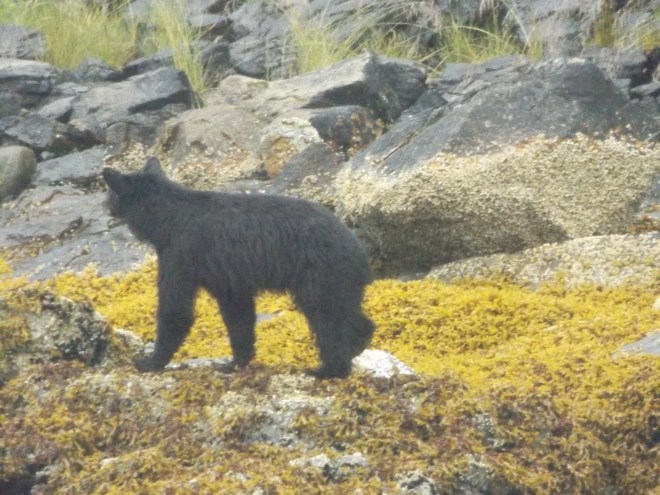

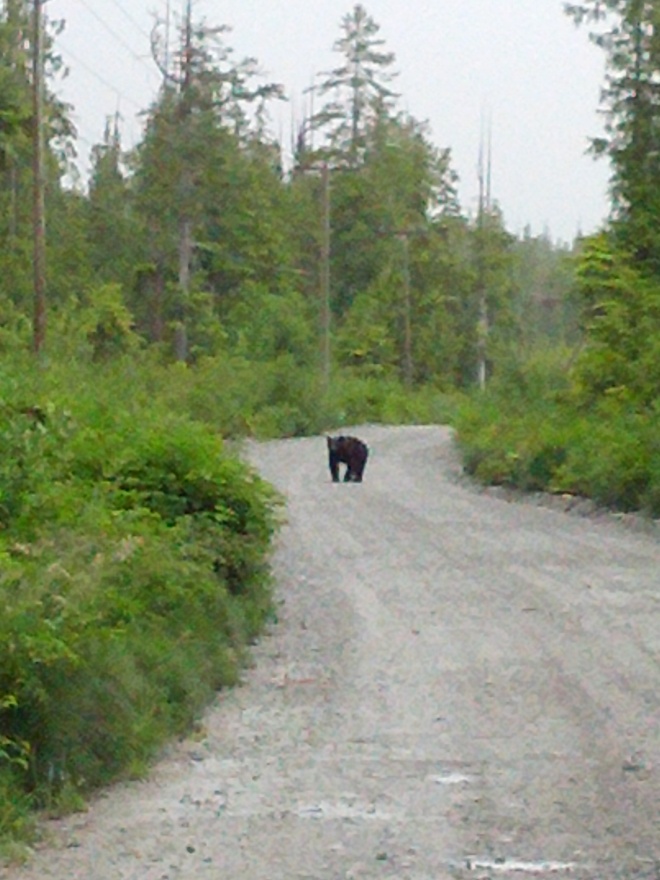
 His closest bear encounter was from the safety of the Jeep last weekend, when we took a bumpy and juddering series of muddy forest roads to Mussel beach and Salmon beach. After seeing the bear strolling and browsing along the road, he was a little less insistent on needing to stop the car and pee behind a tree…