Another glance back at summer…

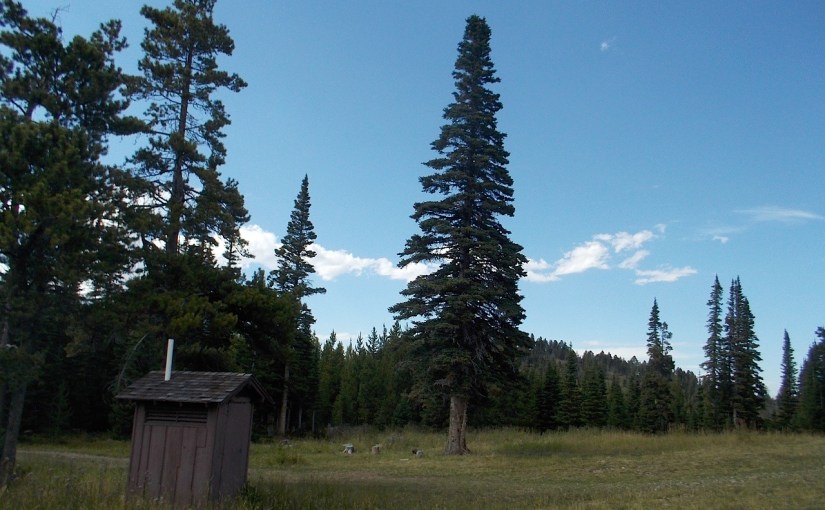
An outhouse photo? Will this post stink? What about those summer memories you promised, PlaidCamper? It will be ok, honest…

It’ll feature a bit more about my summer reading. Seems like these little summer highlights all have a bit of a literary thread running through them – we must have needed to sit down and think, rather than charge around learning to surf or whatever…(actually, I did read a good book on surfing…but that’s not for now!)

image-5
Park rangers…lovely work on Long Beach

This week, the look back at a summer highlight is two or three places connected through my enjoyment of a single book. I know, rather a slim pretext for what follows, but I hope you enjoy it.

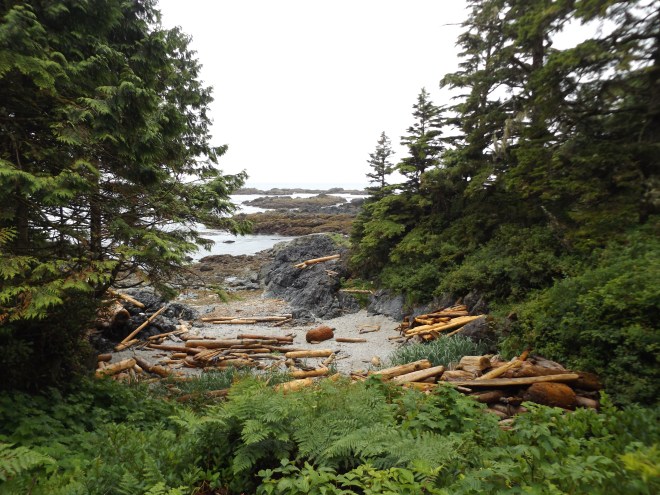
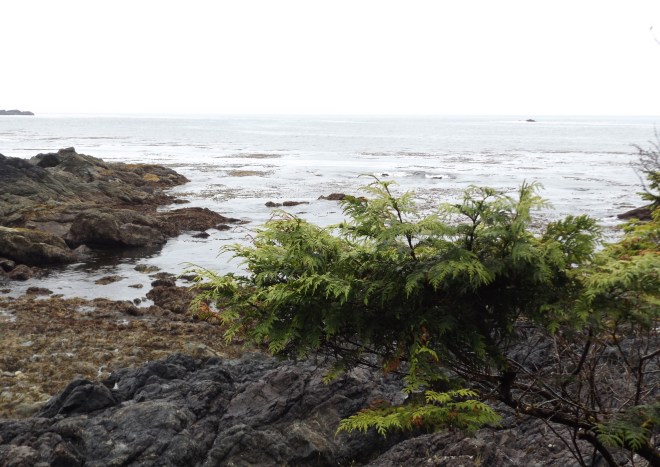
The first place is Long Beach, on the west side of Vancouver Island. A lovely beach to go stretch your legs, we wandered for a couple of hours, and then stopped for a picnic lunch, sitting against a suitably comfortable driftwood log.

image-6
Comfortable log, and a good book

Along with important outdoor items like bear spray and chocolate, I like to pack a book, and this day I’d tucked a copy of Walt Franklin’s Earthstars, Chanterelles, Destroying Angels into my backpack. I’d been saving it for a few weeks, and a sunny beach afternoon seemed a good time to dip into this collection of poetry.

image-4
A quiet spot to sit and read (can you spot Mrs PC?)

When I say it was so engaging that I forgot to pay attention to my immediate surroundings (and how I love those west coast surroundings!), then hopefully you have some idea as to what a splendid collection it is. If you are even only sometimes preoccupied with the natural world around us, then you’d likely be captivated by Walt’s words. Travel, wilderness, identity, conflict, the passage of time, the nature of nature and our place in it; Walt explores all this and more, with insight, a keen eye for detail, and flashes of good humour. I find he can say more in a few lines than most:

moments crystallize

in falling snow-

everything happens,

nothing happens

all at once-

the ancient tales,

the current news

form as lines

across white fields-

across the endless poem

(lines from A Rivertop Reflection)

I’ve read it and reread it cover to cover! It’s fair to say I enjoyed that warm afternoon of lazing at the beach, dipping into the Earthstars, and pausing every now and again to dip toes into the ocean.

image-3
Dipping a toe…

************************

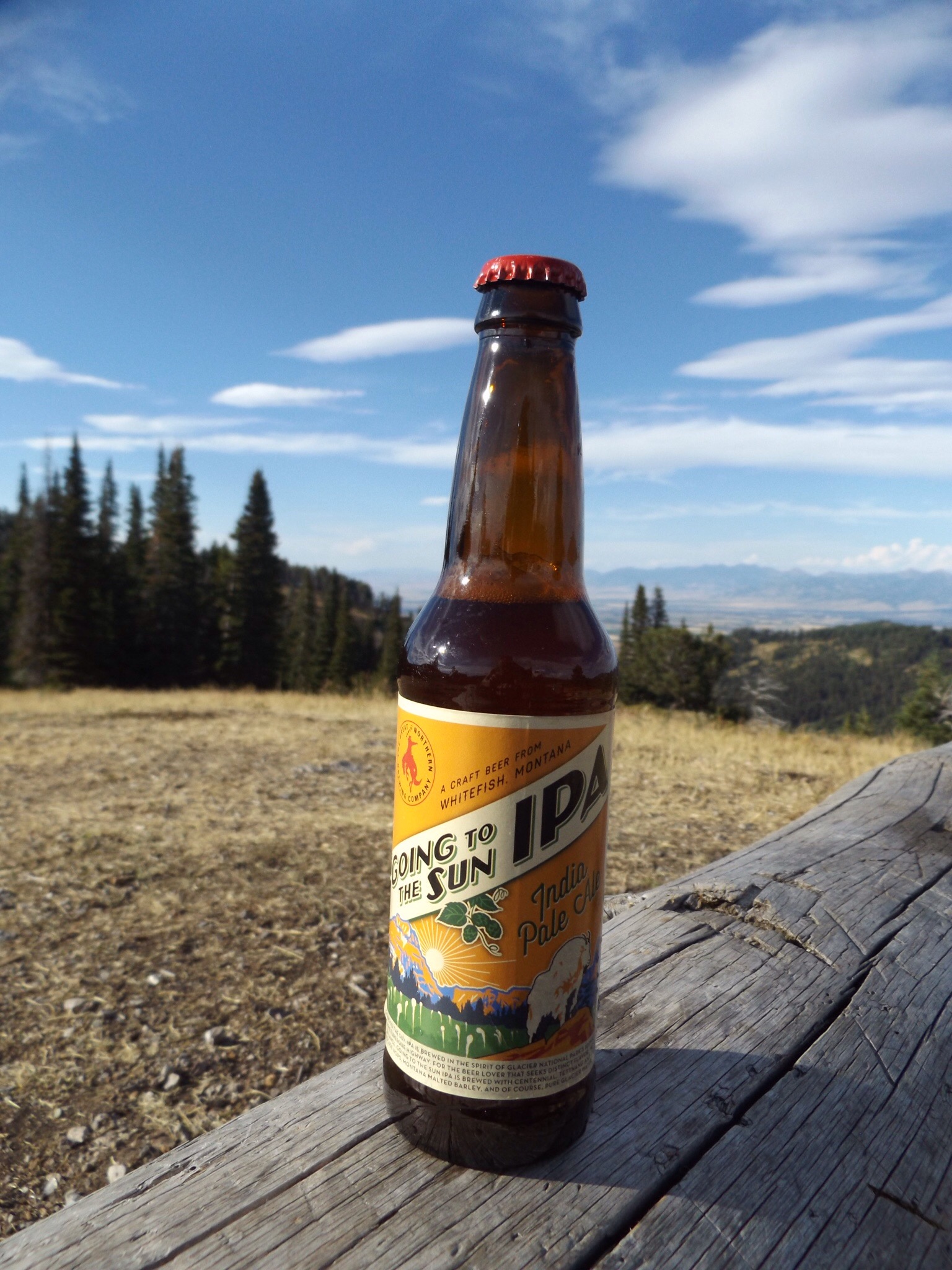
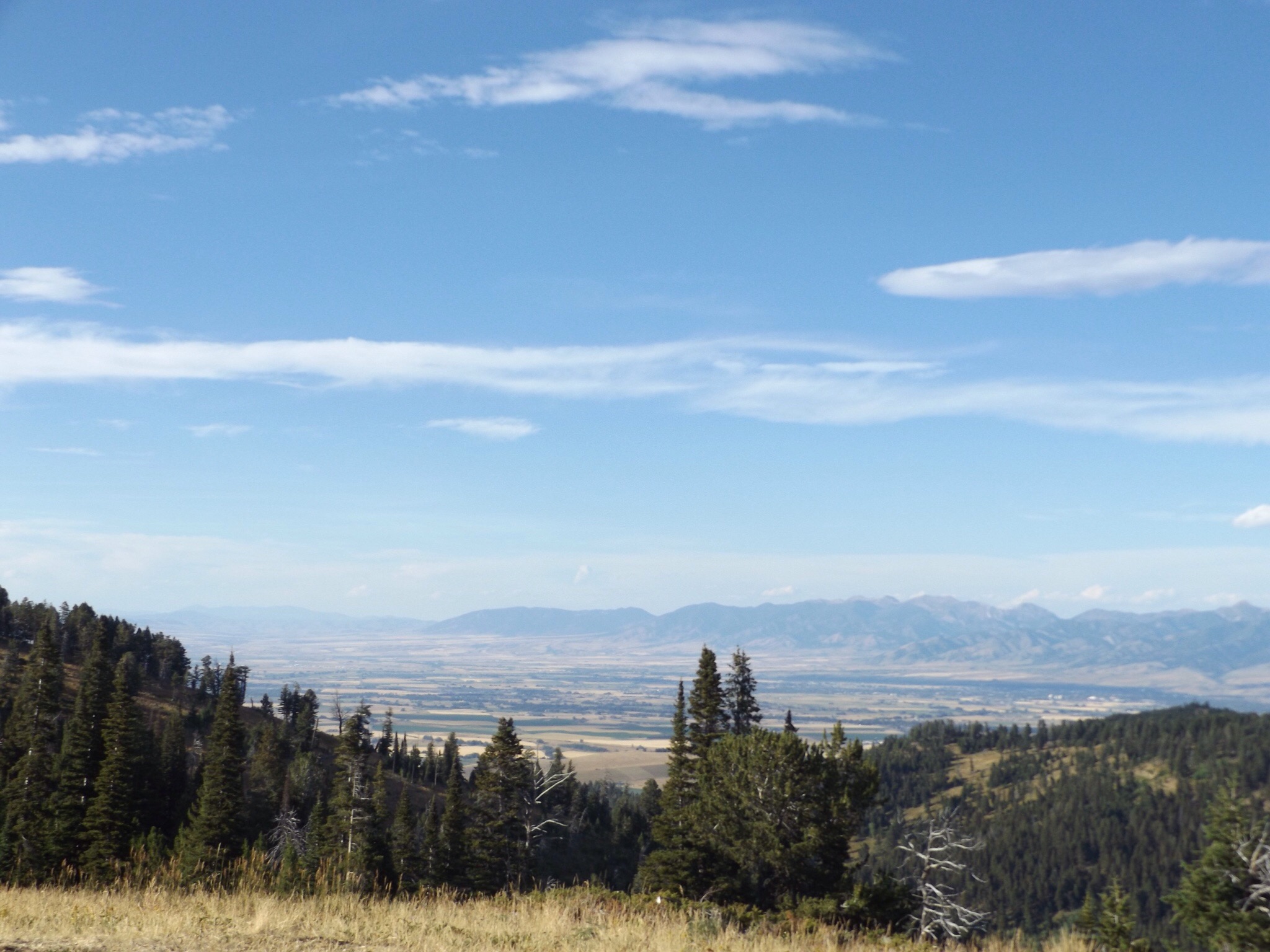
About a month later, we were hiding away up at Little Bear. As we unpacked the car, my backpack tumbled out and the contents landed at my feet. Bear spray, (more?!) chocolate, a bottle opener, and a sand-sprinkled copy of Earthstars…Well, I’d simply have to reread it!
dscn7122
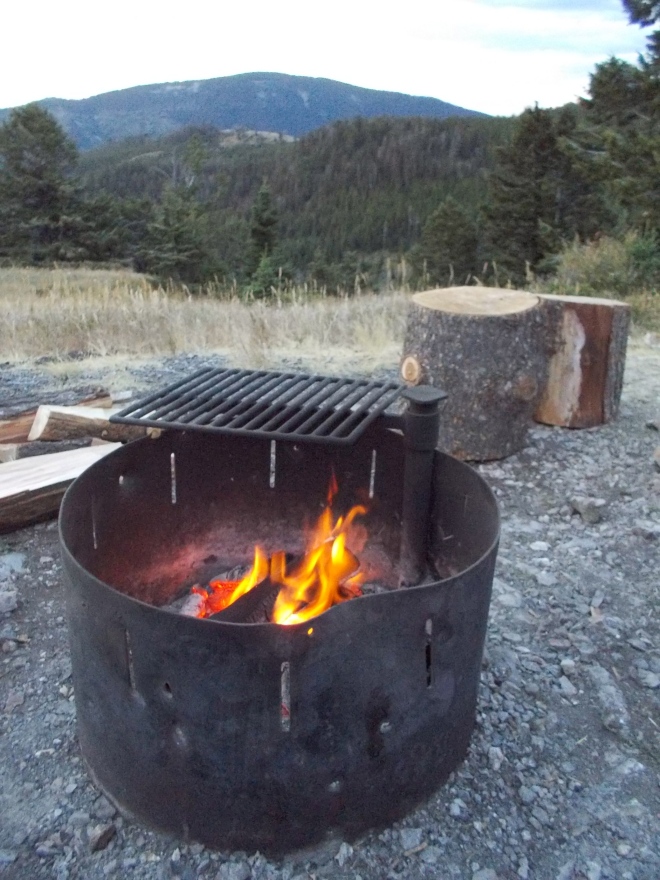
Time to sit down with a book

The final poem in Earthstars is Mike’s Truck, a wonderful tale featuring a septic tank, a truck, old Mike, and a memory about an outhouse:

“an old non-flusher with a crescent moon”

image-1
An old non-flusher…

The poem sparked an old memory of ours. When we lived for a while in rural France, our old stone fixer-upper had a septic tank. We’d telephone and then wait outside for the elderly farmer to come by on his ancient tractor to pump out the tank. Oddly happy with his work, after payment he’d drive off with a cheery wave, the tractor puffing blue diesel fumes and crawling up and over the stone bridge out of the village. We never asked where he emptied out, and we never bought his farm produce…

image-2
The shower tree

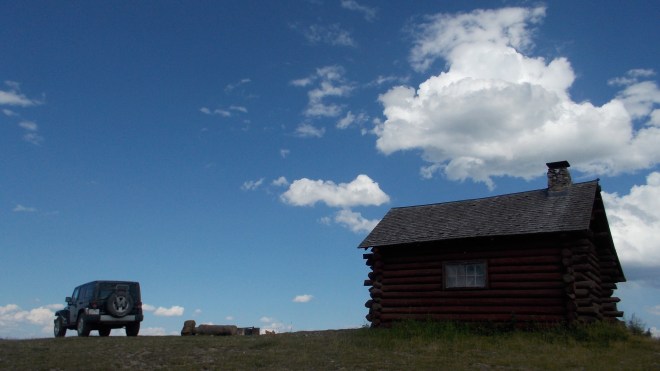
Little Bear is pretty well equipped, with four walls, a roof, a tree for hanging your solar shower, and – luxury – an outhouse. Happily, the outhouse was under a near full moon during our most recent stay, more practical than poetic, the extra moonlight something to be thankful for in the wee small hours.

There you have it, a series of happy memories and recent highlights, connected and prompted by reading Walt’s poetry. If you have the time, pay a visit to Rivertop Rambles and read Walt’s excellent blog (and find links to where you can get hold of a copy of Earthstars and other published works – go on, you’ll be glad you did!)

Thanks for reading, please feel free to share a story or leave a comment, and have a wonderful weekend!

Looking forward, looking back…

For many involved in education, this time of year is about beginnings; a new school year and all the excitement and promise that goes with having a new set of students. Fall is fast approaching, and summer is fading. It’s all about planning for the fresh academic year, being ready with spruced up lessons and wonderful ideas to activate learning. Something like that, anyway.

dscf3077
Fresh

The other day, I found myself sitting at my desk, in my empty classroom (the students were due to arrive in another couple of days), making a few final adjustments to some “start the year” type activities. Jotted down some hoary old bits and pieces to share with the new arrivals, along the lines of making a good first impression (but give your teacher, Mr PC, some slack – he is happy to see you, but he smiles on the inside…), make a good second impression if the first one didn’t go so well, and it’ll all be fine as the year progresses. The steady drip, drip, drip of encouragement. So, very much in looking forward mode. Yet, I’m not quite ready to let go of summer…

dscf3076
Drip, drip, drip

Don’t tell the principal, but I ended up using a few minutes of that planning time to make a note or two about our summer adventures. We had a splendid summer, fortunate to be able to visit the UK, and spend time with family and friends – this was an absolute highlight. Still, banging on about close friends and family that other people don’t know isn’t necessarily a recipe for an enthralling blog post. So I’ll spare you those details and, over the next couple of posts, share one or two other highlights instead. Not that these will necessarily be enthralling, but I’ll do my best (as I like to say to students) and these are what came to mind, what I scribbled down in the quiet of the classroom:

dscf3068Let’s start with sitting outside the Tofino Botanical Gardens Darwin Cafe, taking shelter from a heavier period of rain, and drinking an excellent cup of coffee whilst leafing through old editions of The New Yorker magazine. Really, PlaidCamper? Yes, really! It’s not always all action outdoor pursuits for the PlaidCampers, you know! Who am I kidding? If you’ve read even only one or two of the posts here, you’re already very aware that it’s rarely all action outdoor pursuits for the PlaidCampers. I imagine high octane all action adventure must be exhausting. It certainly seems it. Hence the coffee, gentle rain, beautiful plants, and magazines.
dscf2759I must admit, I’d never read a copy of The New Yorker before picking one at random from the pile. Talk about a lucky dip! This particular edition had a new short story by Ian McEwan, and I’ve always enjoyed his novels. The short story, My Purple Scented Novel, was an absolute gem. In his tale of rivalry, professional jealousy, and betrayal between two writers, McEwan constructs a devious, gripping, and (suspend your disbelief) plausible account of a relationship that twists and turns from the first to the last paragraph. I loved it, and loved it again when I reread it prior to writing this post.

The Tofino Botanical Gardens, a cup of great coffee, and an enjoyable short story. All these elements combined on that damp Tuesday afternoon to produce a happy summer highlight. I think back to that, and I smile (on the inside…)

dscf2755I can’t transport you to Tofino, and I can’t share a cup of coffee with you, although I’d love to, but I can give you the link to McEwan’s story:
My Purple Scented Novel


dscn6983
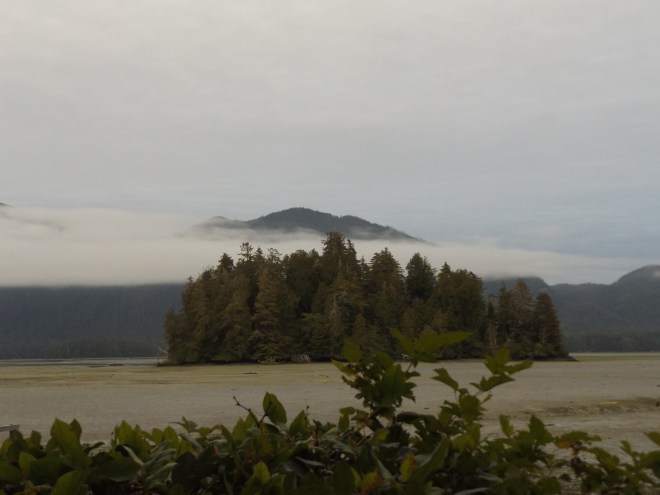
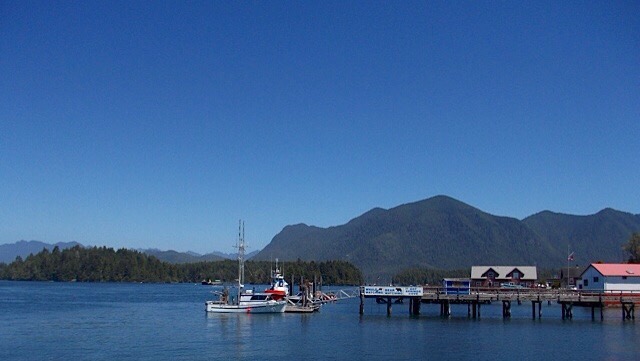
Boats, floating

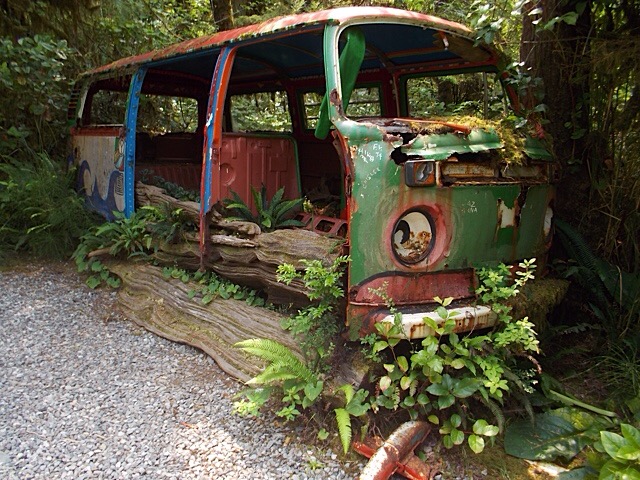
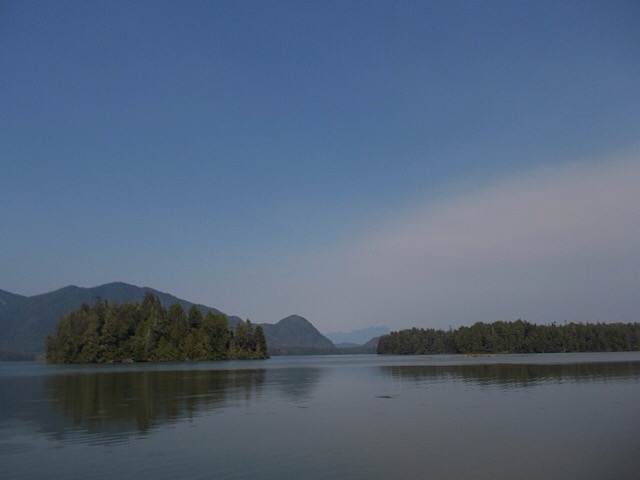
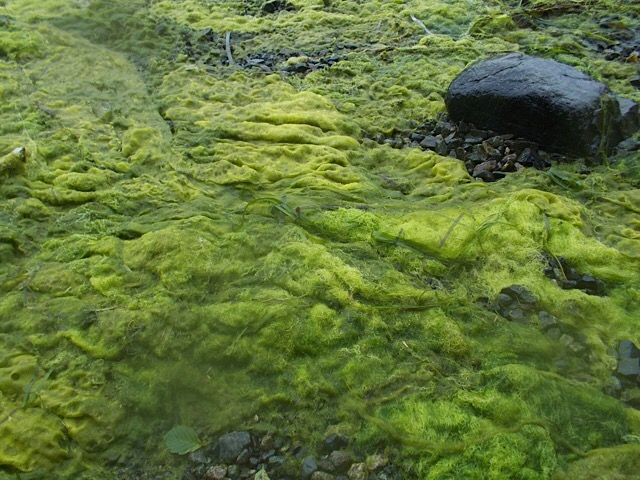
If nothing else, this was a great excuse to look back at some West Coast photographs from the summer! If this didn’t float your boat, be warned, because I’ll write about some other highlights in the next post or two.

Thanks for reading, please feel free to leave a comment or share a story, and have a wonderful weekend!

“A disappearance is in order…”

We’ve been spending the week at Little Bear cabin, Montana, disappearing for a while. Our days have been fast paced; books, small wanderings, sitting, books, sitting some more, and maybe a beer by the fire. Maybe.

One book I’ve really enjoyed is “Canoe Country” by Roy MacGregor. It’s a delightful account where MacGregor argues the canoe made Canada, and his argument is supported with tales and anecdotes about well known and less well known paddlers in Canadian history. If you’re even slightly intrigued by the canoe, you’ll like the book. Sitting outside a cabin up a mountain, it was like catnip for an old PlaidCamper. Mrs PC has been right to point out we have nowhere to store a canoe…

In a book full of memorable passages and quotes, here is one MacGregor uses that particularly appealed:

Every so often a disappearance is in order. A vanishing. A checking out. An indeterminate period of unavailability. Each person, each sane person, maintains a refuge, or series of refuges, for this purpose. A place or places, where they can, figuratively if not literally, suspend their membership in the human race.”  (John A. Murray, Colorado naturalist)

Most of the time, being a member of the human race is just fine, and I maintain that most people are well intentioned and propose no ill will to their fellows. However, the weight of bad news headlines prefacing endless appalling atrocities and scandals are apparently the only stories worth telling, and this can take a toll. Thank goodness for Little Bear, and all the other natural refuges available to those lucky enough to reach them. And perhaps there’s still time this summer, for those so inclined, to find a new place or two – maybe even traveling there by canoe…(don’t worry, Mrs PC, we’ll rent it!)

Thanks for reading, and have an enjoyable weekend!

Hills, thrills, and tender tales…

…enough to make an urban hiker happy in a big city!

First off, I have to make a full and frank confession, and a big thank you. We didn’t actually walk to all of the places photographed in this post. One day we were lucky enough to be given a car tour around the various neighbourhoods of San Francisco, with an emphasis on looking in from the edges. A huge thank you to Jet Eliot for this wonderful overview of a fascinating city – a memorable day out!

DSCF2138
Overview!
I have to say, I think you could live for years in SF and never get to grips with all the stories and possibilities it has to offer. It is a mass – and mess – of contradictions, in the best possible way. I’ve been struggling with figuring out how to convey our visit in a short blog post and, to be honest, concluded that I can’t. It’ll have to be several parts posted intermittently over the next while or so, but not week on week. So bear with me (if you’re still here!) and my next confession is that I’ve decided to pretty much use the unedited notes I jotted down there each evening – I do promise I spellchecked most of it. If it is a little incoherent or disconnected, never mind, let’s say that might also be true of parts of SF…

IMG_20160323_121649
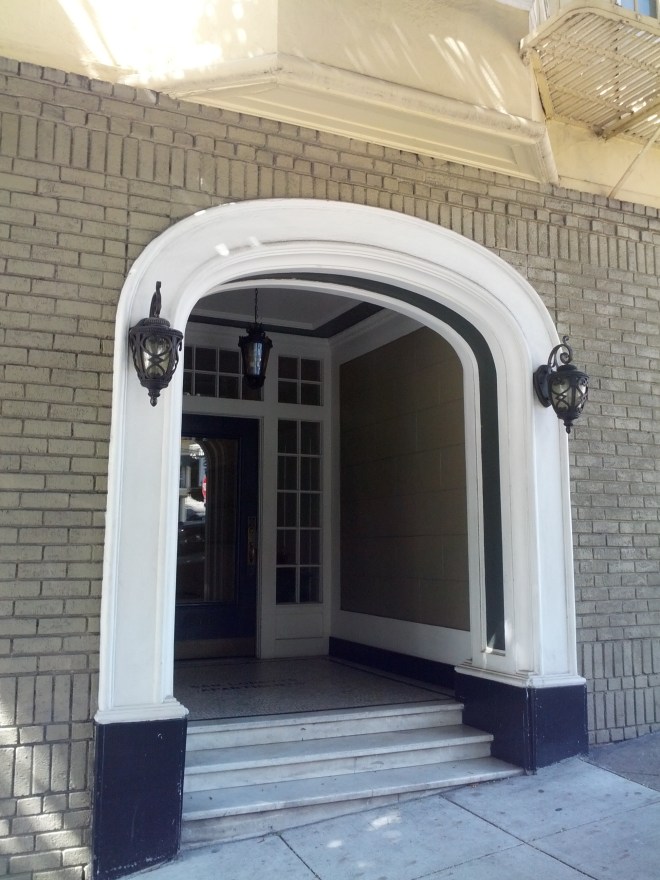
A hardboiled apartment building (huh?)
All this talk of confessions, promises, and being honest, why, it’s like I’m wishing I could write a hardboiled detective mystery. Well now, we didn’t know before arrival, but it turned out we were staying in the same apartment building Dashiell Hammett lived in for a while.

Image 1
You should read this, I tell ya!
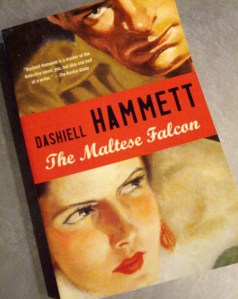
Once I found this out, I immediately got hold of a copy of The Maltese Falcon, and it was quite the thrill to be reading and recognizing some of the place names in the book, to be treading those same mean streets, let me tell ya, sister. (Hmm, best leave it to writers of detective fiction…)IMG_20160322_155813

The streets of San Francisco (really, PlaidCamper?) can be tough, like many big cities. Our exchange with a cab driver upon arrival:

Me: Hi there! (Ooh, the air is warm!) San Loretto Apartments, Nob Hill please.

Jamal: That’s near the Tenderloin! Do you know the Tenderloin? Don’t go to the Tenderloin after dark. There are prostitutes, drug dealers, and other criminals. It’s not Canada!

Me: How close is our apartment to the Tenderloin?

Jamal: Not far! Don’t go down the hill towards the Tenderloin. It’s not Canada. I like driving. I once drove to Toronto to visit my sister and her baby. Took me two weeks, there and back, with three days in Toronto. Stay away from the Tenderloin. I deliver cars. I like driving. California, Utah, Wyoming and Montana. Delivered from Africa. This is the Tenderloin! I won’t stop, don’t worry. Maybe you could visit here in the day, but not after dark. See the people?”

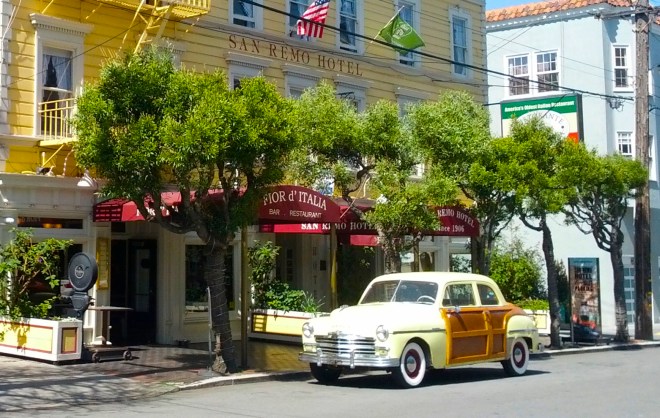
IMG_20160324_123125
Not Jamal’s taxi – but he would have loved this car. He liked driving.
Not wishing to taint Jamal’s vision of Canada as a crime-free northern Utopia, we agreed the Tenderloin wasn’t like Canada. Anyway, as Jamal slowed down but didn’t stop, we did see the people, and they might have been up to less than good. We didn’t visit later, not even during the day, not even out of curiosity. Perhaps another time. For a detailed description of the Tenderloin, you could read chapter two of Gary Kamiya’s Cool Gray City of Love. Actually, read all of it, it’s a splendid book, and that chapter makes for a wonderful introduction to the colourful history of the Tenderloin. As Kamiya puts it a “radioactive core of junkies, drunks, transvestites, dealers, thugs, madmen, hustlers, derelicts, prostitutes, and lowlifes”…so, not all bad then.

Image
A good read!
Each evening after dark, I did enjoy sitting at a small corner table in our rented apartment, wedged in between two windows, taking notes as the sounds of a different city drifted up. We live in a big – for Canada – city, close to the downtown, with an evening soundtrack of sirens, trams, and big city noises. It was the same but different in SF. The apartment block is on an intersection between Sacramento and Leavenworth, so reasonably busy. The sirens were more frequent, the clanking cable cars almost musical, the streets more populated later into the night, and the air warmer, with pedestrians strolling less hurriedly than the brisk, let’s-fight-the-chill-air speed walk we have in Calgary. It was fun to hear the bursts of laughter, and snatches of conversation as passersby came and went.

IMG_20160323_102735
Part of the city soundtrack – almost musical
I’ll leave it here for now. As I said near the start, this is the first of a somewhat jumbled series of posts about SF. It’s a beguiling city, and the fun here is in writing and attempting to make some sense of it. More to follow later…DSCF2141

Thanks for reading. Please feel free to make a comment or share a San Francisco story or book recommendation!


Chopping, stacking, and drying

Reading a book about firewood whilst sitting by a wood stove is a pleasant way to spend an hour or two. Especially when you are feeling sorry for yourself (I was) because some lovely student was overly generous with their germs. Fortunately for Mrs PlaidCamper, I suffered in stoic silence. Not true, I was simply engaged in the book she gave me, and it has certainly confirmed my almost outdoorsman status. Still so much to learn!

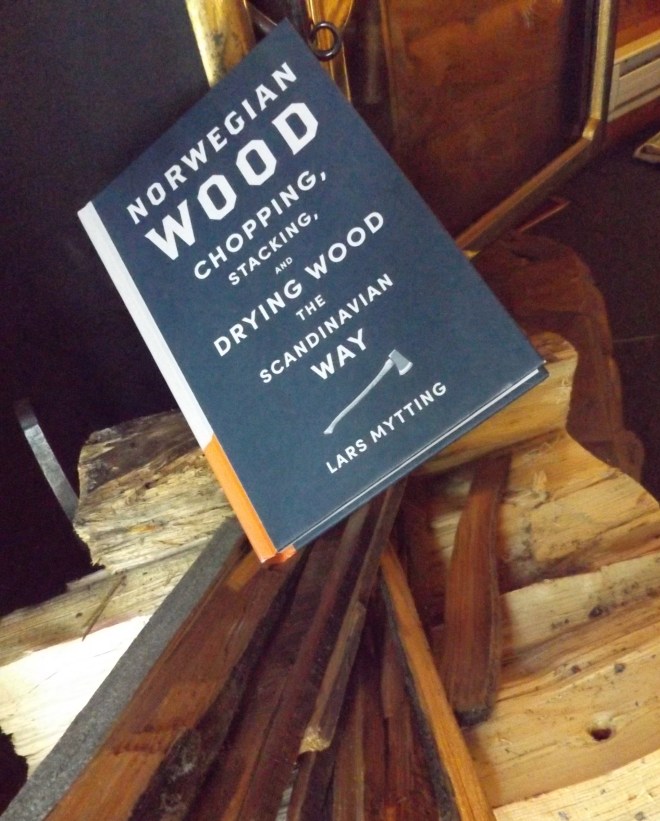
DSCF1840
A good read
If you can get hold of a copy, you might like to read “Norwegian Wood – chopping, stacking, and drying wood the Scandinavian way” by Lars Mytting. I know, sounds a bit nerdy, yet this slim volume is quite wonderful, and strangely heartfelt, given the title. The approach is sometimes scientific, sometimes mathematical, but the overall effect is lyrical and philosophical. Apparently, the book has been a bit of a hit, striking a chord – a cord? – with a wide audience. Could it be that some are crying out for a simpler life? Maybe. It kept me quiet for a while.

DSCN5435
Keeping warm
To the book. Until relatively recently, almost all humans have warmed themselves with fire, and the primary fuel was wood. This necessitated a set of skills and knowledge fundamentally attached to being outdoors. In many places, the need for these skills has diminished in the last 60 years, with the development of other heating and energy sources. Perhaps more of us need to rediscover the skills and possibilities of wood for a fuel. Mytting’s book explores our changing relationship with firewood through pictures, poetry, history, and anecdotes that delight and engage. (If you don’t have a tear in your eye after finishing old Ottar’s story – his woodpile tale bookends it all – I’d be amazed, and you’d be cold…)

DSCF1412
Woodpile tales
Mytting details how wood grown for heating can be one part of a national energy plan. It isn’t a magic bullet, but he is persuasive on how burning wood is comparatively environmentally friendly. Modern stoves are very efficient, and there are regions where wood growth supply can outstrip demand. It can’t work everywhere, but the ideas are intriguing. Large (or small) scale tree farms seem preferable to large scale power stations, nuclear plants, hydroelectric projects, and all the associated infrastructure required to deliver the energy. It’s not romantic or beautiful like an old growth forest, but it is clean. And no, I’m not advocating mass logging/deforestation to heat our homes.

DSCF1848
Wood stove detail
The book isn’t all about national energy policy and planning, although the ideas presented are thought-provoking. Much of the book is more personal in nature. There’s an amusing foreword detailing the various types of wood chopper. Are you the stoic type? The neurotic hoarder? The poet? The standard bungler? How about desperado, melancholic or psychopath? If you’ve ever had to chop wood then you know there’s a little of each in all of us. Or if you’re me, quite a bit of the bungler.

DSCF1842
Dry
When we lived in the western Perigord, the downstairs of our house was heated by two wood burning stoves, one in the kitchen, and one in the living room. In winter, we’d live in the kitchen most of the day, let the stove burn low, and then dash to the front room for the evening. Those stoves were efficient! If only I’d been as efficient. 

The first autumn/winter, I enjoyed stacking the delivered firewood and chain sawing and chopping through the colder months. Manly work! Wielding dangerous equipment with purpose, skill, and aplomb. Or so I thought in my happier moments. The truth was, the novelty wore off by the end of each winter, and the enthusiasm didn’t really return with the next wood delivery the following September. I quite enjoyed the sense of purpose and productivity, but sometimes it seemed endless.

DSCF1239
To be wielded with purpose (and care)
Having a ton of logs dropped onto your front yard on a sweltering September day isn’t too bad. Not when your Dad and brother are visiting, and likely to help shift and stack it. Except they suddenly developed all manner of ailments and a pressing need to prop up the local bar…hmm. I know, firewood is great. It warms you three times – chopping, stacking and burning. My planning (and help) was all wrong!

DSCF1390
Where did the helpers go?
Having read Mytting, I know now that I should have received the delivery in spring, and then split and stacked the wood to get it dry over the summer – in artfully and scientifically arranged woodpiles (you’ll admire the many photographs of woodpiles Mytting has included. No, really, you will!) I honestly hadn’t given much thought to storing the wood. I was pleased enough to have arranged to get any at all given my terrible schoolboy French. Still, once you have it, all firewood burns the same, doesn’t it? Wrong again, PlaidCamper. See Mytting. I was the bungler, making mistakes that would get a seasoned Scandinavian feller hot under the collar. Although I have to say my homemade sawhorse was a thing of beauty – or perhaps splendid utility over beauty, but I promise you, it worked. Mind you, I never took a photograph (or patented the “design”…)

On to the hardware. If you read it, and you don’t already have them, you’ll be off looking at chain saws and axes (even if you don’t need one, or is that just me?) Axes! The names in the book are poetry: Oyo, Hultafors, Gransfors, Wetterlings, Fiskars and Vipukirves.

DSCN5413
A little cabin…
“Norwegian Wood” made me miss my wood chopping days. It would have been wonderful to have had some of the knowledge and skills back then. Still, as an almost outdoorsman who generally prefers to look forward, I now feel better prepared than ever, and maybe one day in the future I’ll be back in regular wood chopping action, heating a little cabin and getting it all done the Scandinavian way!

I’ll finish with a quote about the smell of a woodpile Mytting recites from Hans Borli’s “With Axe and Lyre”:

“It is as though life itself passes by, barefoot, with dew in its hair…When the veil finally starts to fall, the scent of fresh wood is among the things that will linger longest…”

Thanks for reading! Are you a chopper of wood? If so, what type are you? Please feel free to share a story or leave a comment, and keep your guy ropes secure.

Swept away…

…like an American dipper in the rushing current. I mentioned a couple of weeks ago that we’d been snowshoeing along the Bow, and I was going to write about that small adventure, but last week “The Revenant’ swept my attention away. Still, the dipper is a plucky little fellow, not easily distracted, and willing to plunge in upstream and be carried back to where he started – and further.

DSCF1808
American dipper
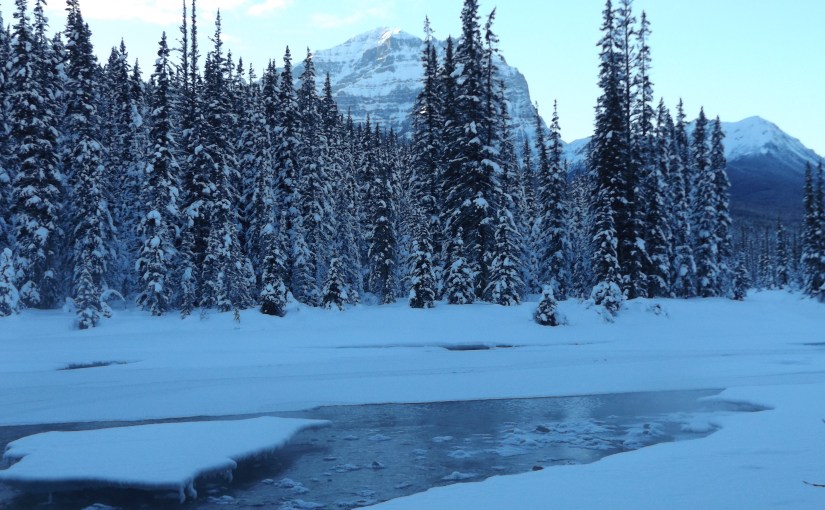
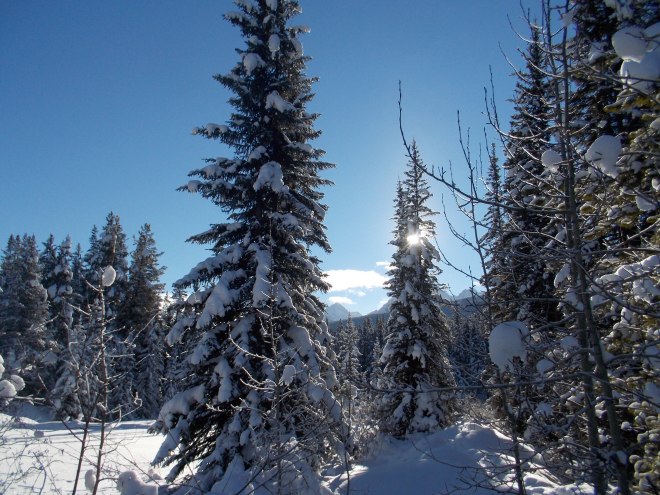
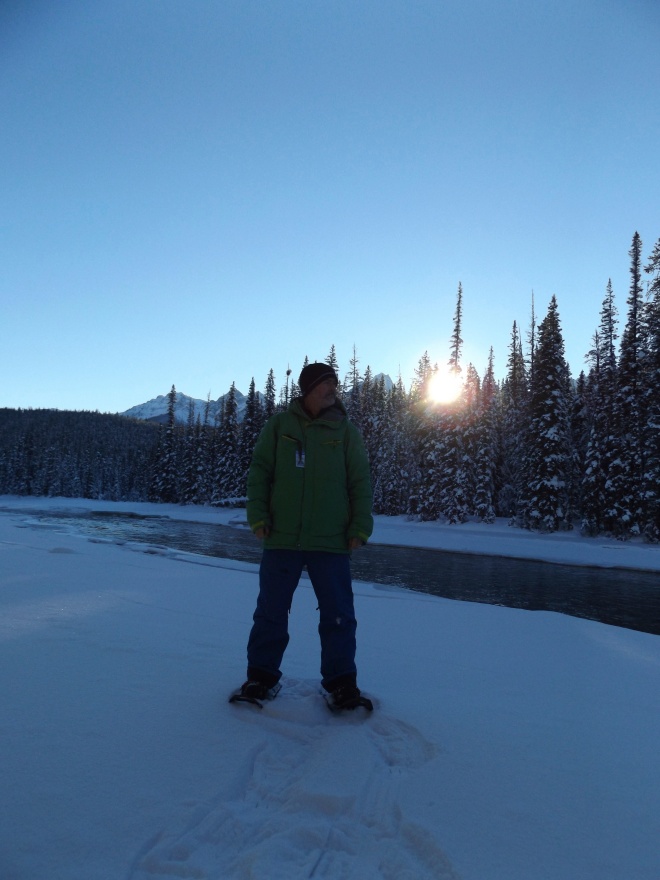
So, our little snowshoeing adventure. It was about perfect, -10C, blue skies, and bright sunshine. We delayed our start deliberately, wanting to be outside into the late afternoon and catch the changing light as the sun fell beneath the tree line and behind the mountains. A magical time of day.

DSCN6393
Catch the light
There had been some reasonably heavy snowfall the previous day or two, and the conifers were wearing snow cloaks. It made me think of Narnia, although winter in Narnia was a mean season, and it felt anything but.

DSCN6398
A Narnian winter?
I have to thank my grandparents for the Narnia books. I loved them, reading and rereading, always enthralled, captivated by the stories, to the point where I could recite them almost by heart. Especially “The Lion, the Witch, and the Wardrobe” – who couldn’t love that one?

DSCF1751
Spirited
The imagination of little PlaidCamper was fired up by those books – he didn’t know much or care about the religious parallels, although they are interesting. He was all about the talking animals, mysterious tree and water spirits, and other mythical creatures. He was swept away by the landscapes and adventures. He got upset every time Aslan “died” on the stone table, tears of sadness. He was moved to tears again when Aslan returned and the stone table was split asunder. Edmund! You fool! Don’t eat candy offered to you by strangers! Especially witches! Edmund’s choices were a disappointment every time (I was a sensitive, repetitive, and judgemental reader…)

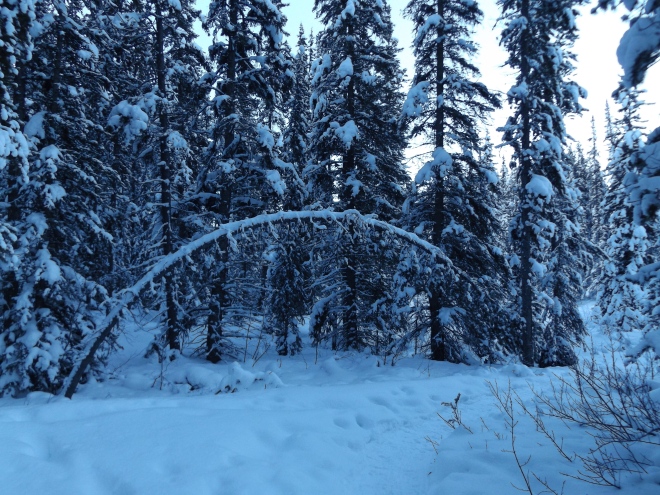
DSCF1825
If I walk under the arch…
I’m certainly not going to share with you the time I climbed into my wardrobe and reached forward past the clothes hanging there, hoping for some magic. Nope, not going there.

DSCN6406
Albertan delight
Thank goodness we moved to Alberta many years later! The cupboards are built in, and I can’t get to Narnia through them, but a short journey out to the mountains in winter is pretty close. No Turkish delight (perhaps a small bar of chocolate in the backpack), but Albertan delights are more than enough.

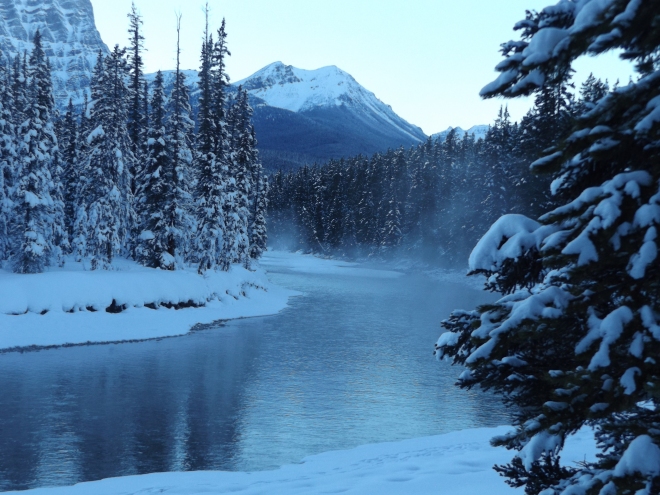
DSCF1833A feast for the senses that snowshoe afternoon, with crisp pine air, whispering trees, misty rivers, crunching snow, creaking ice, and rushing water. Spirits? I know what a young PlaidCamper might think, and maybe he wouldn’t be wrong…

DSCF1764We didn’t see a faun, white witch, or any talking animals, but the American dipper was a wonder. What a tough little bird! Icy waters were no problem as he splashed, bobbed and flew over and into the fast moving current. Diving in, fetching his meal, and popping back up far further down than we expected. You would swear he was enjoying himself, completely engrossed in his antics, and if he was aware of his admiring audience, he didn’t let on. Or perhaps he did know we were there, and decided quite deliberately to fly up and drift down the same little patch of river, simply sharing some quality time. (You can blame C.S. Lewis for my shameless anthropomorphizing.)
DSCF1806
A water ouzel!
The American dipper is also known as the water ouzel. How wonderful to have an alternate name, and doesn’t it sound positively Narnian?

I’ll leave it here, happy to share with you our warm winter adventure. Downstream and thinking about that funny little PlaidCamper boy with his imaginative and bookish ways.

DSCF1784
A funny little PlaidCamper
As always, thanks for taking the time to read this. Please feel to share a (wardrobe?) story, or make a comment, and keep your guy ropes secure.

I must go and hang up this jacket…

Time out in Tofino, and realizing Thoreau probably had it right…

This post might seem a little off topic, but bear with me! I’ve been reading Walden and I think that I may, like many people, have been born in the wrong age…

We’ve been downsizing as far as we can recently, not because we are jumping on a particular bandwagon or vogue for small living, (although this is a good idea), but simply because the timing is right. Junior is about ready to forge her own path, heading out to be independent, and we don’t want to be living in a space that was designed to accommodate four or five people comfortably. Our empty nest can be smaller than that! We sold our family house, and we are renting a little apartment until our new little apartment has been built. 

This would be fine (cedar shack in Tofino botanical gardens)

This all seems simple and straightforward enough; a linear sell one, rent one, and then buy one. Couldn’t be easier. All you need is a small mortgage from a bank, a helpful legal person to do the necessary lawyer type things, and a builder. These three can then communicate with each other, working tirelessly and seamlessly on our behalf so we can secure the tiny apartment of our dreams. And they can collect well earned fees from us… 

Kerbside appeal without the kerb

I honestly cannot go into the complications experienced in trying to get these three parties all on the same page. If I had three more lifetimes ahead of me blogging to explain how frustrating the past couple weeks have been, I wouldn’t have enough time. I’d lose the will to live three times over. I’d rather have an operation than buy somewhere to live ever again. 

Maybe we’ll abandon the house, just hit the road instead

Thoreau had it right! I’m going to borrow an axe and start on my own place hewn by my own hands. (I will have to borrow an axe – I do have a little hatchet, but that’s not going to cut it. I’d be lucky to build a doll house or a birdhouse, never mind a tiny house. And I’d need those three lifetimes from above). Now, as an almost outdoorsman, I’d probably chop off my own limbs instead of a tree limb, and the finished article might not look like the finished article. But still, if you’d been in my shoes, you’d understand the attraction, trust me. 

Tofino bird house (with lawyer perched on the roof)

I’m lucky enough to be sitting on a deck, staying in a small cabin overlooking the inlet just outside Tofino. That means I get to calm down. This is a good thing for many obvious reasons. The less obvious reason is the one where you don’t get to hear a news story about some old guy wearing plaid running around downtown Calgary wielding a hatchet and cursing the modern home buying process:

“And the police gently disarmed the apparently harmless, yet clearly confused plaid-clad old man, leading him away from bewildered bystanders and committing him to a secure institution where further tests will be carried out to determine if he is fit to have his little hatchet back. And now the weather.” 

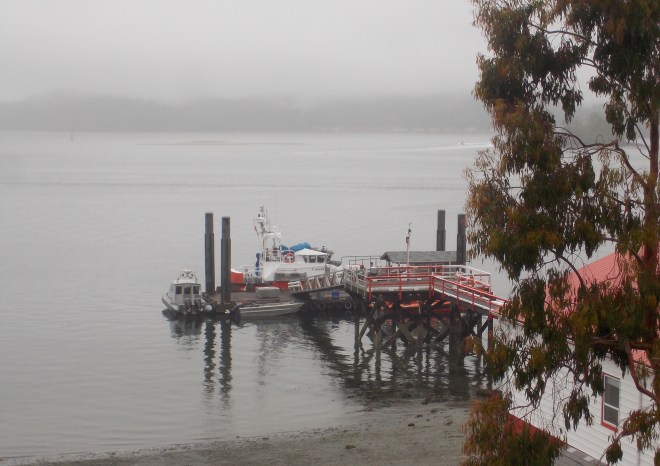
View from the dock – just breathe, PlaidCamper, just breathe…

Just to be clear, and before anyone calls the authorities, I’m not actually going to run amok anywhere wielding any sort of hatchet – that would be silly.

All complaining aside, I do know that with a little perspective, this is simply just another invisible Western problem; I should let it go, and accept it as one of the complicated processes that make up life for the privileged few in the modern world today. An irritating downside to accompany the many upsides? I don’t know. I could stand to live in another age – when life wasn’t easier, that’s for sure, but perhaps simpler? I still say Thoreau had it right… 

Head over the next mountain, just a little further…

Have you ever wanted to build your own little home, be a little more apart from the modern world? Please feel free to share a story or make a comment. Thanks for reading – I feel better now – and keep your guy ropes secure.

Eating outdoors, a cabin story, and a recipe

What to eat in the wild and the great outdoors? Now that’s a formidable question! Should we forage? Hunt? Pack in prepared dried goods? Is this a front country campground, a backcountry trip, or a stay in a cabin? So many options… (and so many recipe blog posts…fear not, I’ll eke them out over time!) Does food taste better outdoors?

 Food tastes better – and looks better – outside! 

Strangely enough, I attribute at least part of my enthusiasm and pretence at being an almost outdoorsman to a cookbook. A number of years ago, Mrs PlaidCamper stopped for a break and gasoline. Browsing a stack of books, she found “The Outdoor Living Cookbook” published by Williams-Sonoma. We love cookbooks (over the years, I’ve worked in a few kitchens, faking it and earning a living), so Mrs PlaidCamper bought the book. As with plaid shirts, you can never have too many…

We drooled over lots of the recipes, but truthfully, the real draw was the photography – dozens of pictures of lakes, forests, rivers, and cabins taken in all four seasons in many North American locations. We couldn’t (OK, I couldn’t) get enough of the outdoorsy settings. 

A few months later, we visited Brother PlaidCamper, a sibling who’d moved to West Virginia some years earlier. For part of the trip, we stayed in a 1930s log cabin, and were so happy – our first cabin visit – and we brought The Outdoor Living Cookbook with us. We were in a cabin! In the wilderness! Just like the cookbook! And with the cookbook! I remember Brother PlaidCamper looking at us, the cabin, and the cookbook we’d brought with us all the way from England. He glanced at his wife – born in West Virginia, no stranger to cabins, in fact she can’t fathom our romantic views – and they shrugged and shook their heads, thinking, so sad…

  Idyllic West Virginian cabin (well, we thought so…)

Where’s the recipe PaidCamper? Right, I’m on it. Last summer, we had a lovely lunch at SoBo in Tofino BC. We’d heard great things about the restaurant and weren’t disappointed. We bought the cookbook by SoBo’s talented chef-owner, Lisa Ahier. It’s a beautiful book, full of wonderful recipes, stories and pictures, a delightful snapshot of Tofino and the surrounding area through all four seasons – if you enjoy Pacific NorthWest ingredients, cooking and scenery, I highly recommend the book. A recent favourite to cook out on a barbecue is cedar planked salmon, and our method was inspired by the recipe in the SoBo book (her recipe uses dry mustard, we prefer grainy):

  • Soak your cedar plank in water for four to six hours 
  • Heat your barbecue/grill to medium-high
  • For each fillet mix 2 tablespoons grainy mustard with 1 tablespoon brown sugar and a sprinkle of salt 
  • Rub a little olive oil on each side of the fillet 
  • Place skin down on the plank and spoon the mustard glaze on top
  • Put the plank on the grill, close the lid
  • Cook for 15-25 minutes depending on fillet thickness, preference and grill speed
  • Check every few minutes, keep a jug of water handy for flames!

 Cook it, might be good enough to eat…

We often serve this with rosemary potatoes – bite sized pieces of potato mixed with rosemary leaves, a crushed garlic clove, a little salt and olive oil, and all wrapped in a foil parcel to cook on the grill. Delicious! Most recently, to drink with the meal, we had a couple of bottles of Red Seal Ale from North Coast Brewing, Fort Bragg, CA – spicy, hoppy, but not too overpowering, and a perfect companion to the fish. Lovely outdoor eating and drinking (I’ll be truthful, we cooked outdoors but ate indoors, it being early spring in the Rockies!)

  Definitely good enough to drink!

I have to admit, for me, the favourite part about cooking this recipe is the soaking and handling of the cedar planks. It is a beautiful aroma – I’d probably be content with a damp piece of cedar, a bottle of beer, and forget the actual cooking. Is that strange? Although, when I think about it, the fragrantly heady smoke from the grill is pretty pleasant too…instantly transported to the West Coast!

Do you have a favourite outdoor recipe? Please feel free to share. Thanks for reading, and keep your guy ropes secure.

Beautiful places and the contradictions of wilderness adventures – plus Chasing Clayoquot (an excellent read!)

I love being out in the wild – but is there a cost? A recent talk and a great book had me thinking about this…

The other day, I was fortunate to be able to attend a National Geographic presentation by David Doubilet and Jennifer Hayes entitled “Coral, Fire and Ice”, about many of their recent adventures and assignments as marine photographers (discover more here). The stories they told, and photos and movie clips they shared, were absolutely spellbinding. From seal pups in northern Newfoundland to tiny lantern sharks lurking down in the depths, each tale and accompanying image entirely increased my sense of wonder at the diversity of aquatic life (and highlighted my enormous knowledge gap when it comes to the ocean). 

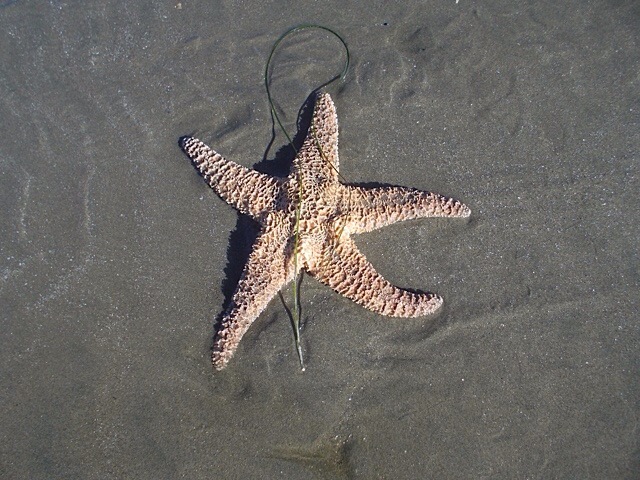
                An incredible creature – Long Beach, Vancouver Island

Hayes and Doubilet talked with passion and humour about their underwater experiences. Their delight, concern and compassion for this vast and largely undiscovered wilderness cannot be overstated. They were remarkably honest and clear eyed about a potential contradiction in what they do everyday. They have a sense of mission in bringing both beautiful and dark stories to the attention of as many people as possible. They witness how human activity is having a devastating impact on many marine species. In the past two hundred years, human-marine interactions have been increasingly detrimental to the underwater life forms Doubilet and Hayes are seeking to protect. The contradiction is knowing that simply by being in the water, they themselves, as well meaning documentarists, are causing a degree of distress to the very creatures they want to help – they are a disturbance.

My thought is that Doubilet and Hayes needn’t be too concerned about the impact they are having – the benefits outweigh any unintended discomfort or distress they may cause to a small number of sea creatures. We need them to be under the water, capturing amazing images of incredible creatures and educating the widest possible audience about this little known yet threatened wilderness. But it did get me thinking about my own presence in the great outdoors. 

              The great outdoors – Wild Pacific Trail, Ucluelet, Vancouver Island 

I don’t regard myself as unsympathetic to the plight of the planet – I even believe that my adventures outdoors show a sort of respect and understanding. As a teacher, I always encourage students to research and experience what they wish to know, and I apply the same expectation to myself. So, to appreciate our planet, and my particular current corner of it, requires that I get outside. But I sometimes wonder, as I asked earlier, at what cost? 

I must be having an impact on whatever wildlife resides there – think of the bear that needs to focus on 200 000 berries each day in late summer to get ready for hibernation. A human blundering by can only be disruptive, making it that much tougher to survive. Perhaps I’m being overly sensitive…the bear just thinks, oh, him in the plaid shirt again.

               Pristine sands, a beautiful pattern, Long Beach, Vancouver Island
I’m not a fan of being under the water, but I do enjoy being on it. We recently finalized plans for a trip to Clayoquot Sound this coming summer. It will be a return visit – we enjoyed a few days in and around Tofino last summer, and were so smitten by the landscapes that we couldn’t wait to visit again. 

I’ve been reading David Pitt-Brooke’s excellent book “Chasing Clayoquot”, in which he writes a chapter for each month devoted to an outdoor adventure in the Clayoquot region. He has an amazing grasp of the ecology, history and geology of Vancouver Island. His descriptions evoke the beauty and uniqueness of the Clayoquot biosphere, an incredibly beautiful yet threatened environment. He muses on the impact he has on his immediate surroundings – in one chapter, a short intertidal walk causes him to pause and ponder on how his presence disturbs the place he loves and appreciates. It is a conundrum, to visit and interact in a wilderness, and publicize the beauty of hidden places so that others can share that appreciation, yet avoid upsetting what makes these places so special.

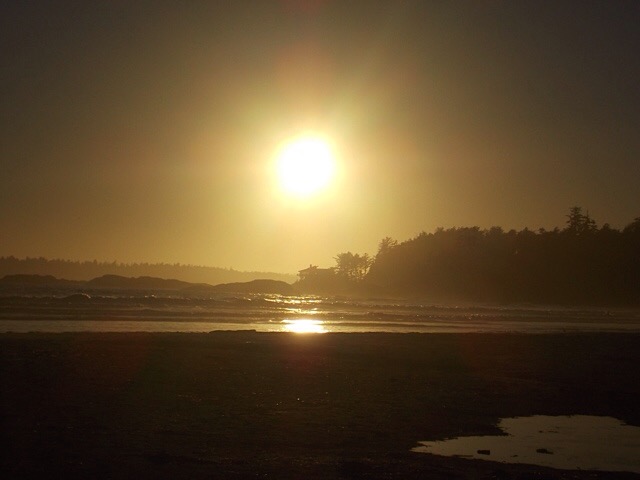
            Sunset on Chestermans Beach, Vancouver Island

Pitt-Brooke makes the point that we only seem to love a species or place once it’s very existence has become threatened. Why can’t we value our natural treasures and resources – all of them essential to our wider ecosystem and overall survival – before they are on the brink of extinction?

There are no easy short term answers to how we manage our relationship with wild places. Still, it does no harm to stop and think about some of the questions, have an awareness of what we are doing – even as we move through these beautiful habitats.

Do you share some of these concerns? Feel free to write a response and share a thought! Thanks for reading, and keep your guy ropes secure.

Heading out and returning home – thoughts on belonging (plus a little book review)

These post headings are getting longer than the posts. Apologies on the PlaidCamper meander…

I never know what is best about a trip away from home – is it the planning, the trip itself or returning home? I love the anticipation, and even the thought of a short day out or a weekend trip can raise my spirits during what (sometimes) seems a lengthy work week. (Just to be clear, I enjoy my day job, teaching, but there can be moments when a lesson seems a lifetime, and then a brief thought related to an outdoor adventure puts things in perspective!) Positive longing for the outdoor trips, without wishing away the present, is likely no bad thing. 

If you’ve read even a little of what I’ve posted previously, you know that I’m an almost outdoorsman, with more enthusiasm than expertise, but a willingness to try most things, safe in the knowledge I’m not living the wilderness life full time and I go home at the end of the day, weekend or time away. I’d love to spend more time outdoors, but we have annoying responsibilities like educating students, and feeding a family…not to mention financing the adventures. 


Colorado cabin – I’d happily spend more time here…

The reality is that the return from a trip can, for me, be almost as satisfying as heading out. I suspect it is because there is a marked contrast between the (very pleasant) everyday life I have, and the wonderful contentment of simply being in the mountains, or whatever version of the big outdoors I find myself in. The journey home is a time to reflect on this contrast. (Or maybe I just can’t wait to bore the pants off any audience with tales of my latest exploits?) I often wonder, can I call the mountains home? Our second home? Is home simply a sense of belonging? 


North to the Fairholme Range, AB. Is this home? A sense of home?

The idea of contrast, between belonging somewhere and a sense of longing for somewhere else, is one that William Fiennes explores in his marvellous little book “The Snow Geese”. I had not read this until Mrs PlaidCamper urged me to a few weeks ago, saying she thought it would appeal to me. As ever, she was absolutely right. The book covers so much ground in a genuine and beautifully written way. Reducing it to the most basic description is to undermine exactly how good the book is, but here goes:

Fiennes was recovering from a dangerous illness, one that had left him weak, scared and uncertain about much that he had taken for granted. He spends time recuperating at his parents’ house, a place of security and familiar comfort. Slowly, his strength returns, and with it a growing restlessness. Part of the restlessness stems from watching and reading about migratory birds, some reading specifically about snow geese. As Fiennes thinks and researches more about migration patterns, he begins to feel the need to follow the snow geese on their journey from the southern US up to their northern breeding grounds in Canada. The security of the familiar has started to stifle him, and he questions his sense of identity. To find out who he might now be, Fiennes follows the geese, describing the people and places he visits along the way. 

Reading the paragraph above, I know I have done a terrible disservice to how brilliant the book really is. Trust an old PlaidCamper when I say the book is so much more than the sum of its parts. If you have ever pondered on the nature of home, belonging, and the need to travel to different places – and you have a love of wildlife – then you will enjoy The Snow Geese. It’s a delightful meditation on travel, learning, and the kindness of strangers in strange places. You’ll also incidentally learn so much about migration patterns in birds you might even want to follow in Fiennes’ footsteps. It’s got me thinking about a trip…


In the end, it doesn’t matter how or where you define home. A combination of being with the right people or person at the right time in a particular location, and feeling contentment in all that, can amount to a sense of belonging. Perhaps it isn’t easy to define – I do know that being in the wilderness helps me think about such matters, and that’s a fine way to spend time.

Have you read The Snow Geese? Do you have a travel or outdoor book to recommend? How do you define home? Feel free to share, thanks for reading, and keep your guy ropes secure.