
The rant comes at the end. It’s not much of a rant, but it is a bit incoherent, so there’s that. Enjoy it if you get down to that part.
We’ve been looking for signs of spring this side of the Rockies. So far, not too much success. There are one or two hints of green beginning to appear on trees and shrubs, a teasing glimpse of what’s to happen (soon, please!)
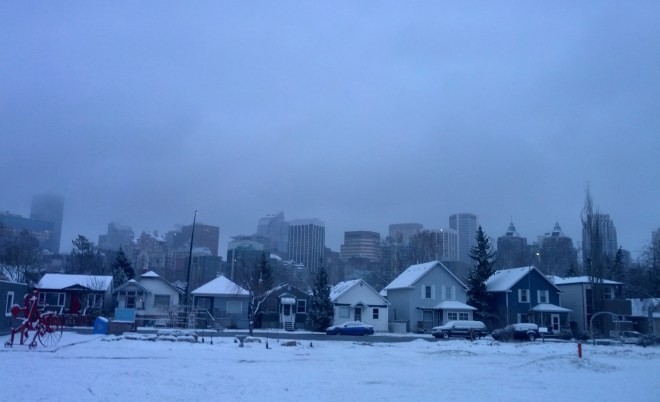
My morning walk to work on Monday was through sleety rain, and that wasn’t much fun. It was more fun than the Tuesday morning walk through wet snow. Snow that fell on and off throughout the day. It settled for a few hours, but I guess solace could be found in that it mostly melted away by early evening. That thaw, the suggestion of green, and a rising river level is about it for spring to date. Yes, the daytime temperatures are above freezing, but not significantly so.

What’s with the complaining PlaidCamper? Don’t you like winter? Yes, but not when May is here on Monday, and not after our recent west coast trips – we were (are?) spoiled by those warmer, sometimes wetter, but oh so colourful and verdant days…
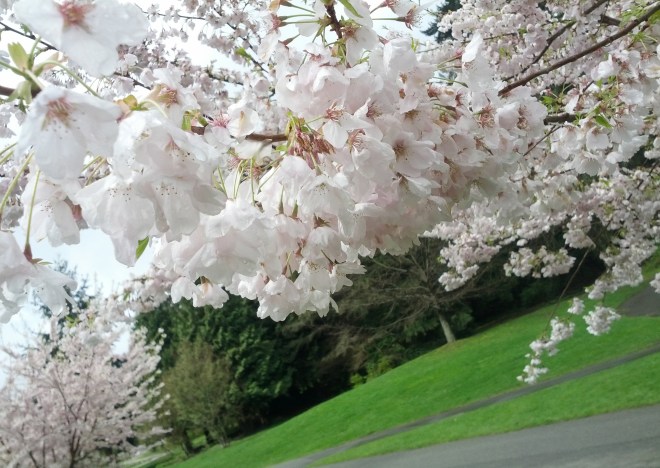
A few days in Vancouver last week, at a conference and “working” hard on the coast. The theme was nature and outdoor education. I had to smile at us all shut in a windowless, air conditioned hotel events room, earnestly discussing the importance of being outdoors in green spaces, and the benefits of connecting to nature. To be fair, many of the sessions were outside and hands on. Just as well, because they weren’t likely to contain all those tree huggers in a large room with Stanley Park only a short walk away.

After a morning of fine speeches, impassioned presentations, and information overload, we went on a guided walk through Stanley Park, looking for trees to hug.
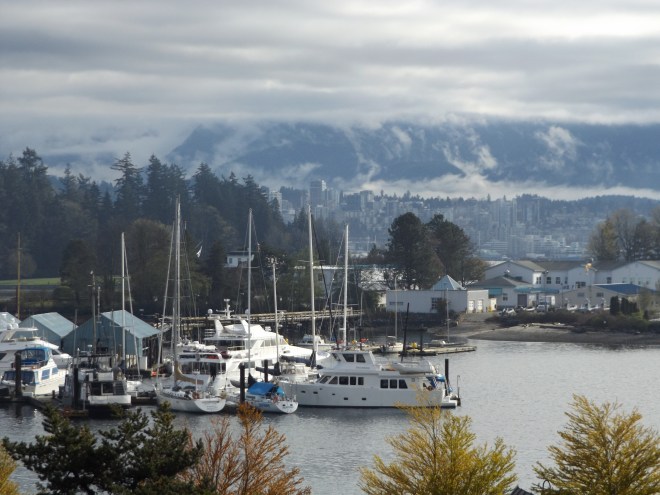
Vancouver has a lovely setting, on the water, and surrounded by forests and coastal mountains. Stanley Park is an urban jewel, with pockets that feel wild in between more traditional city park patches. Our guide pointed out many restoration projects centred on the Lost Lagoon, and the balance park officials are trying to achieve between urban dwellers and wild animal inhabitants. Not an easy task, particularly because there’s no overall consensus as to what restoration really means. Restored to pre-nineteenth century habitat? Or even earlier, to before European contact? And how to restore a wilderness that is never in stasis anyway…
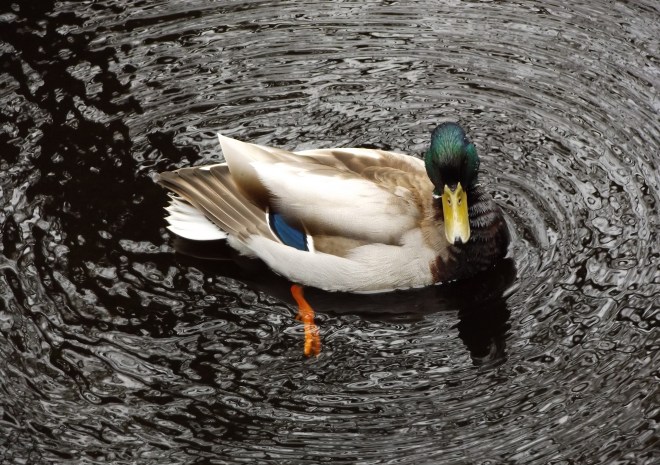
It was a wonderful walk, and an example of how a city can aim to be a greener and more pleasant place through thoughtful planning – even if there are no simple solutions. Given that humans are more likely than ever to find themselves living in cities (regardless of whether that is a first choice for many of us) it seems sensible to expect nature to be included as an essential part of urban planning.
Common sense suggests that we are happier in pleasing and greener environments, and research presented at the conference supported the idea that children (and everyone else?) are more successful in their learning and in themselves when they have ready access to green spaces for play and learning. Simple enough – pleasant environments promote positive physical and mental health. Have we really forgotten that so easily and in a few generations? Are new roads, malls and parking lots more important than play spaces and green places for city dwellers? Dollars before deeper contentment? What’s the real and necessary investment here?
Oh, those recent announcements – regarding the future status of protected wilderness spaces south of the border – have me wondering if (so called) leaders can honestly say they care about or are planning for the longer term health of the planet, or the health of future citizens. I don’t know, is extract, extract, extract, and burn, burn, burn, really the best path forward? Can we talk about a healthy society and a vibrant economy when the air is unbreathable and water is undrinkable? Should we drink the bad water through a straw made from dollar bills and call ourselves wealthy and wise?
I think I’d best stop now, take a deep breath (while we still can) and wish you all a wonderful weekend! I’ll be out looking for signs of spring and calming myself down. I know, it wasn’t much of a rant, but I feel better for it…

Cheers, and thanks for reading!



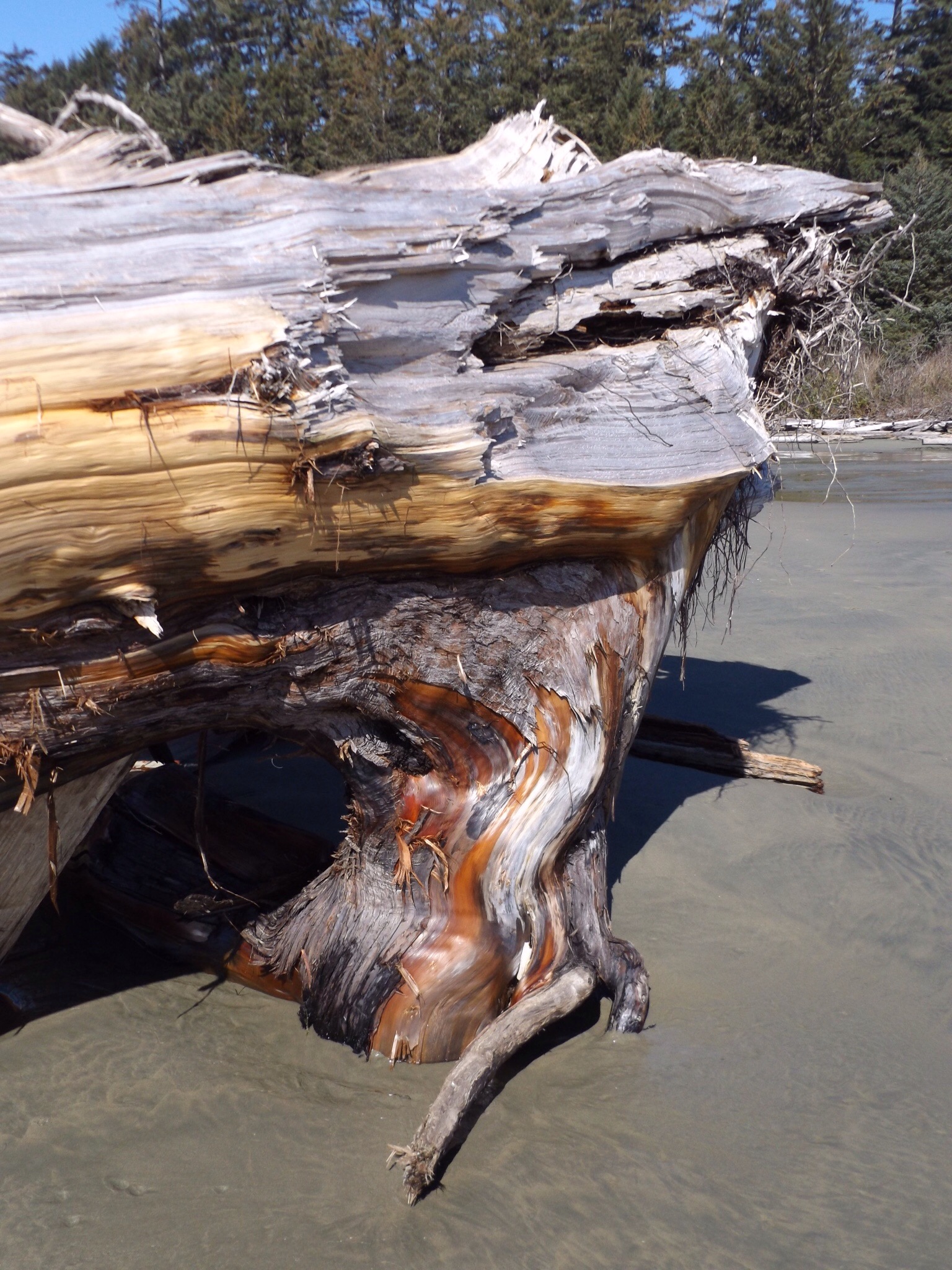
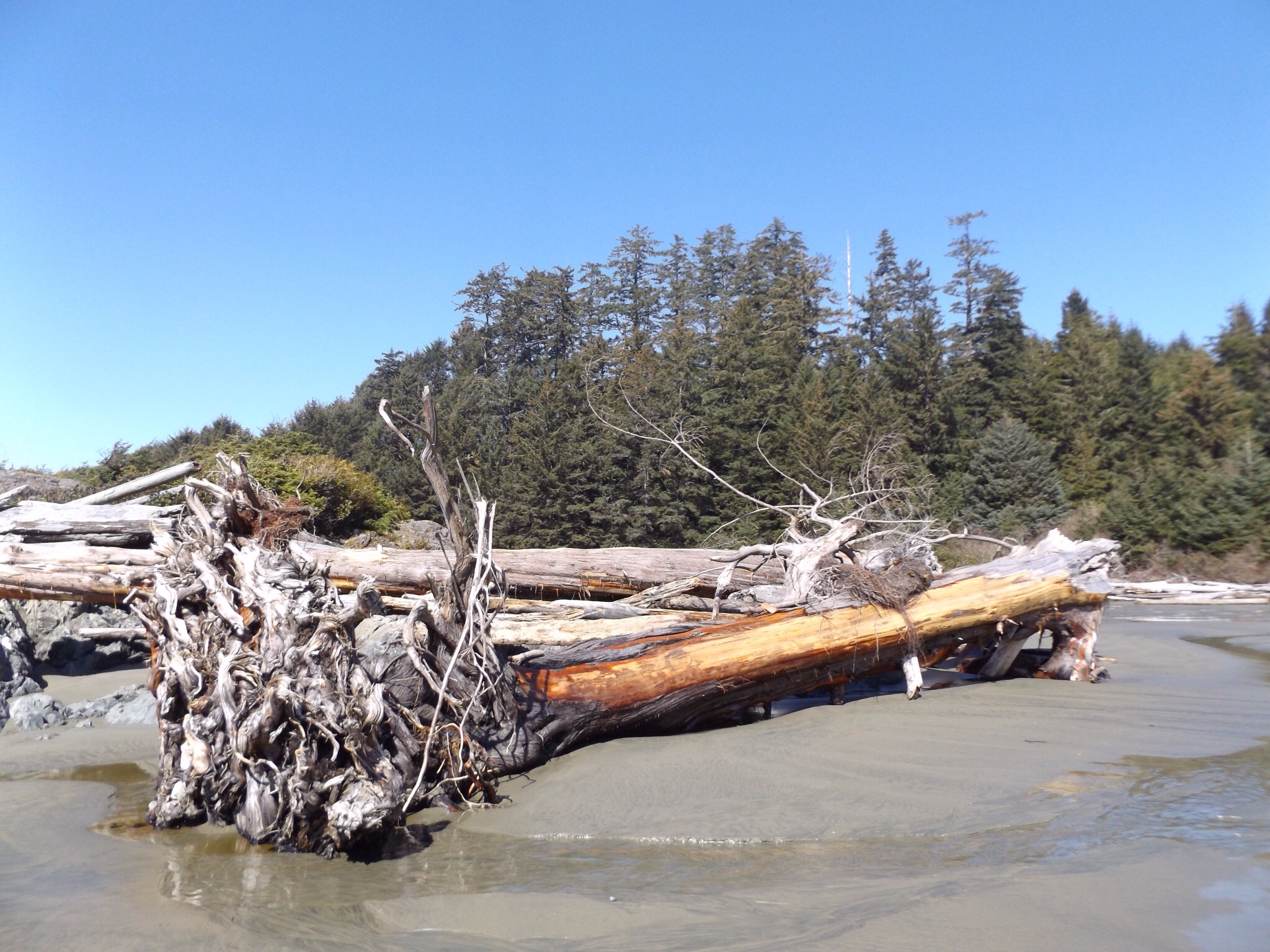


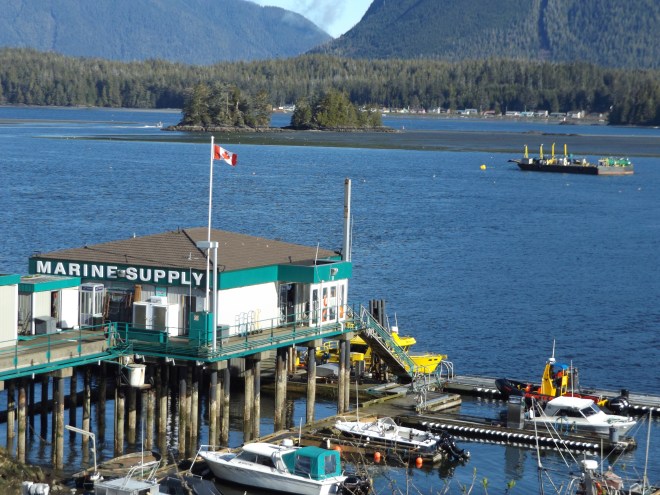


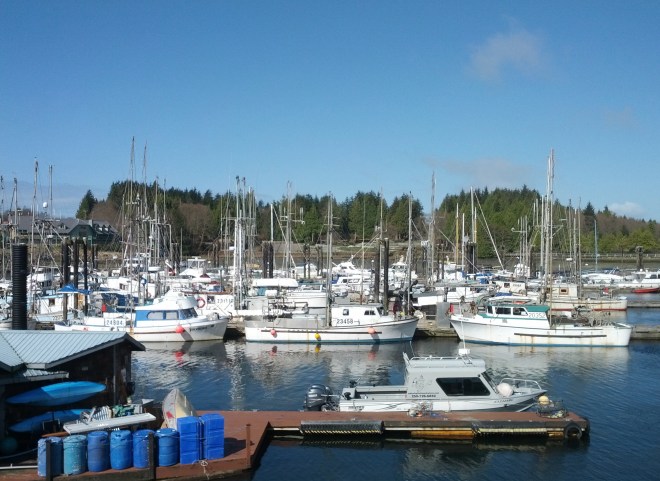
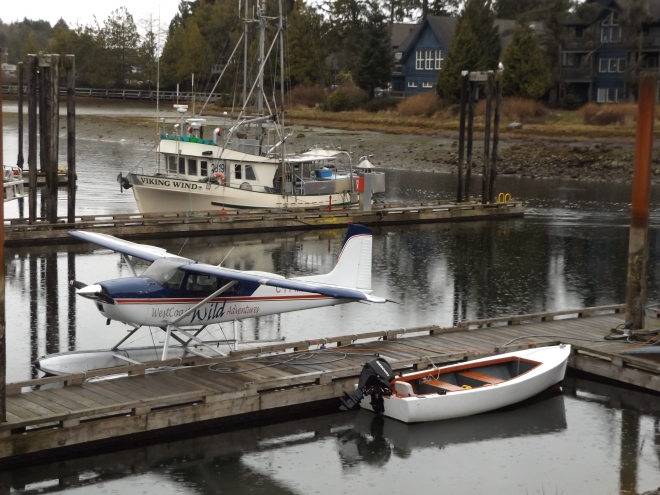
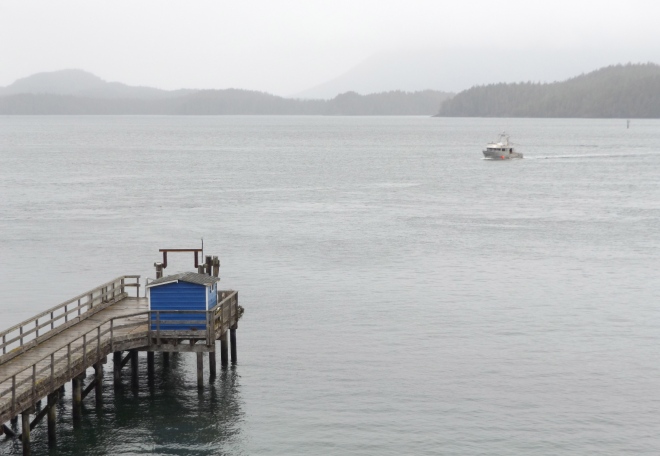
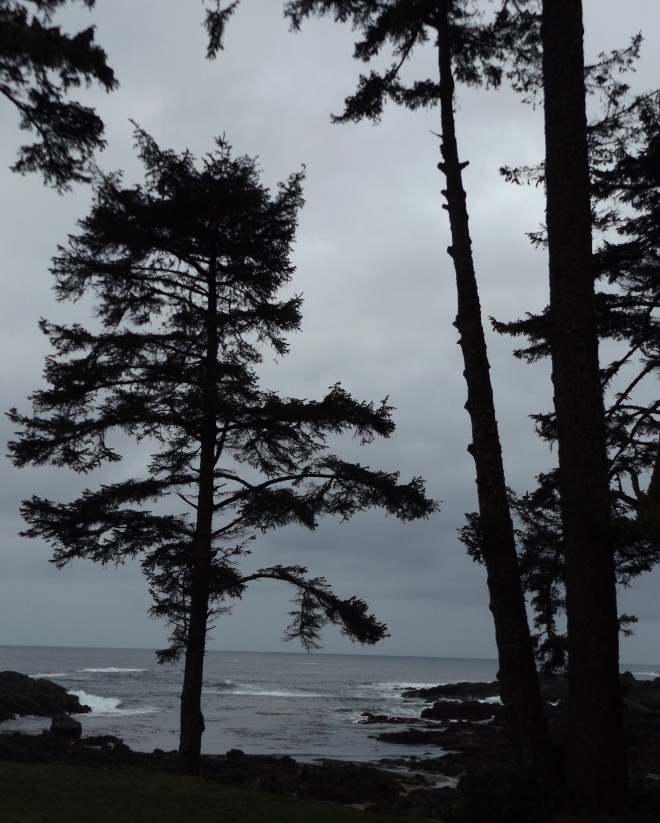
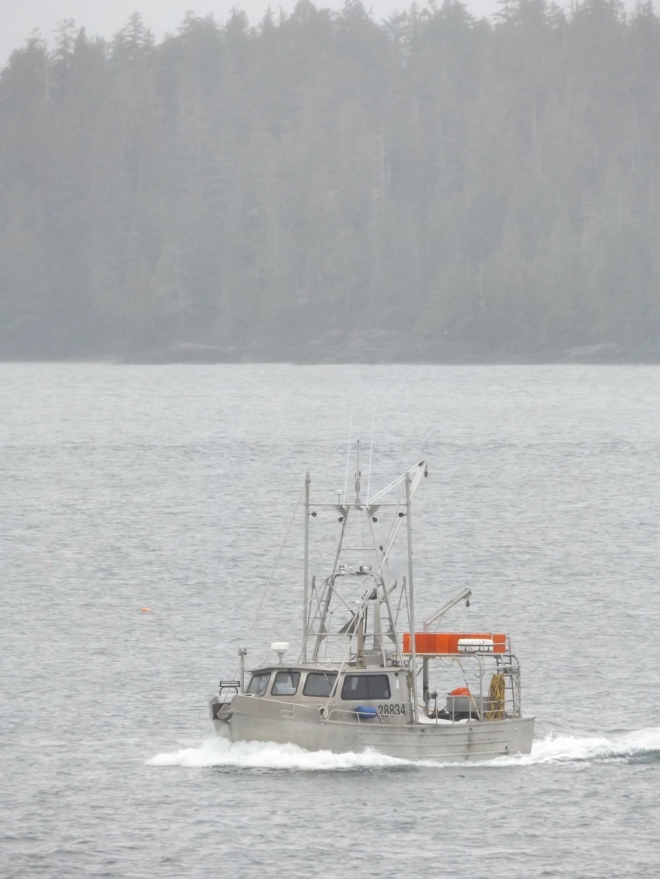
 PS In need of a Tofino fix? Head over to



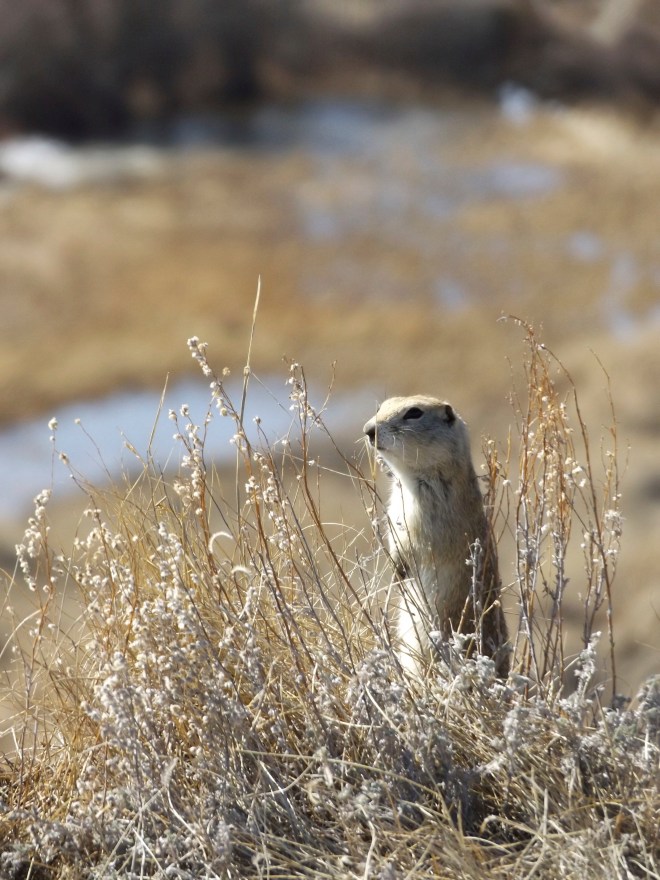

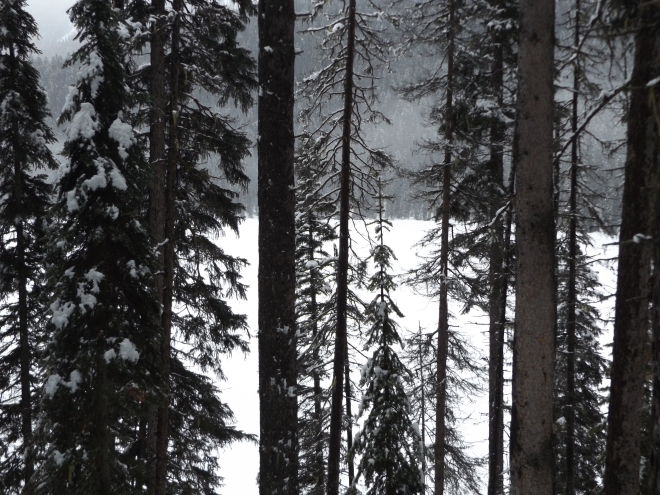
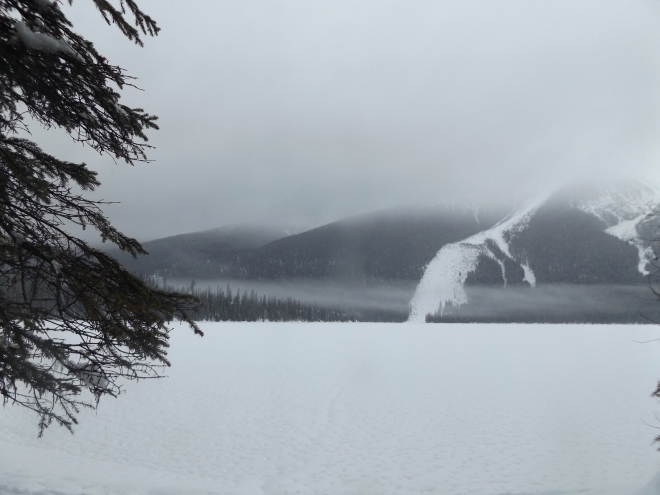
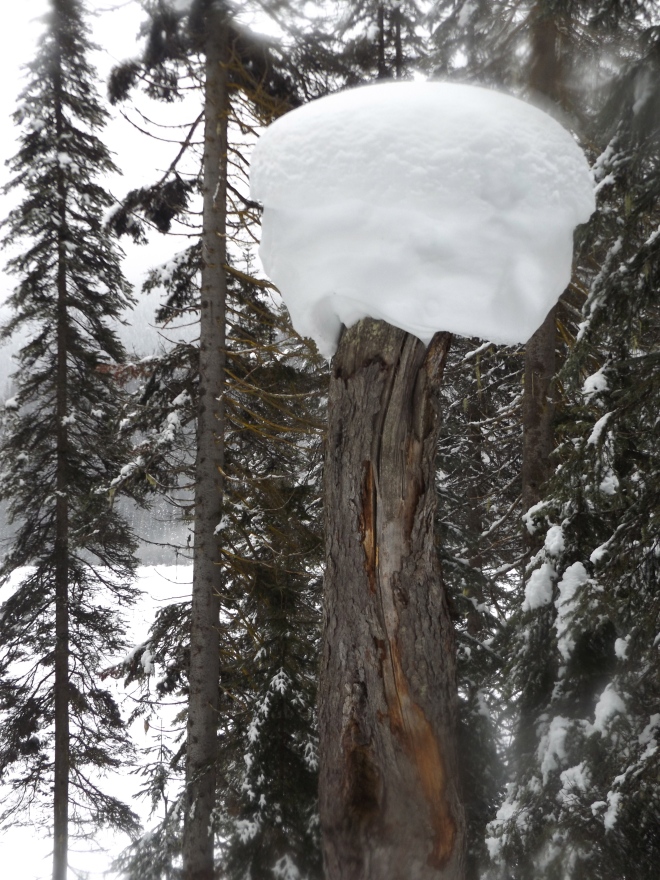
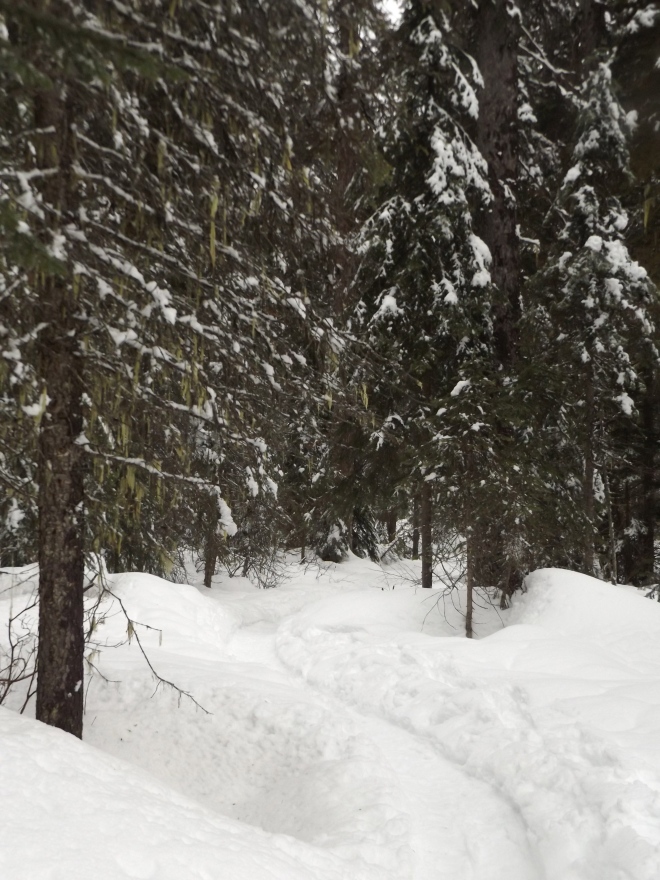

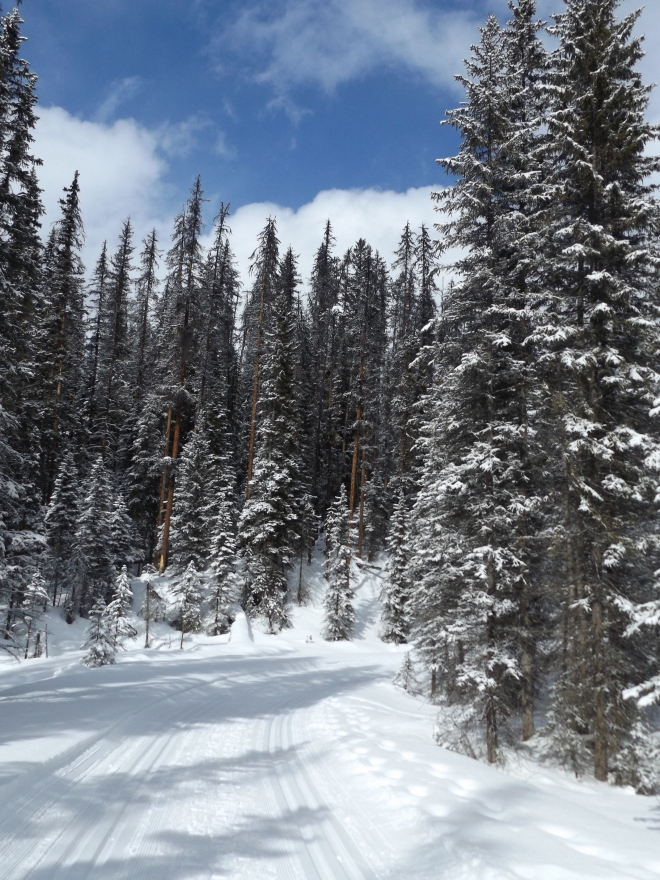

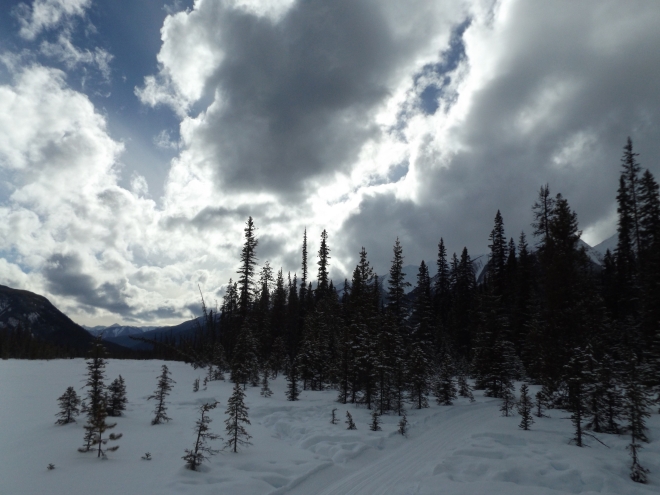
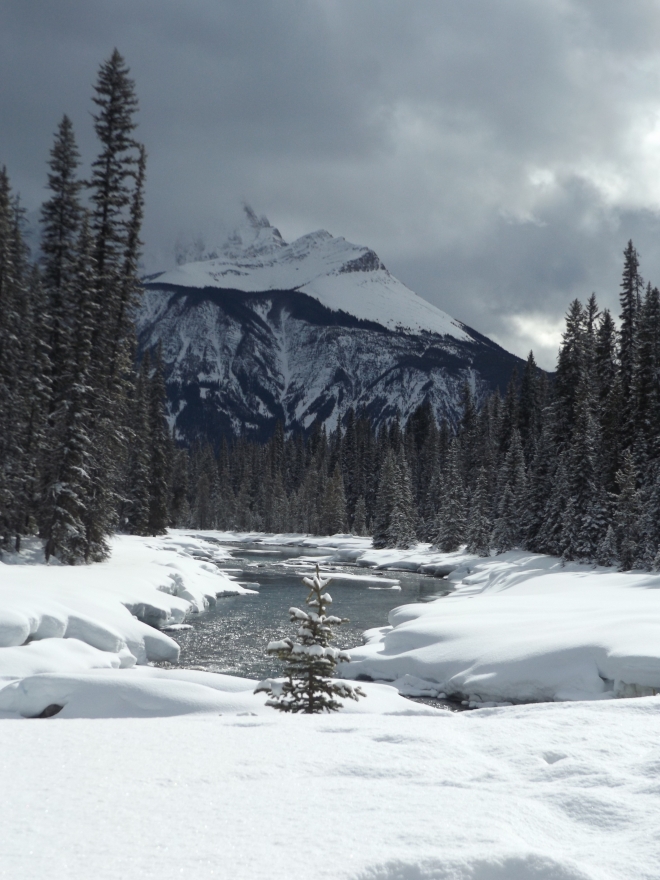
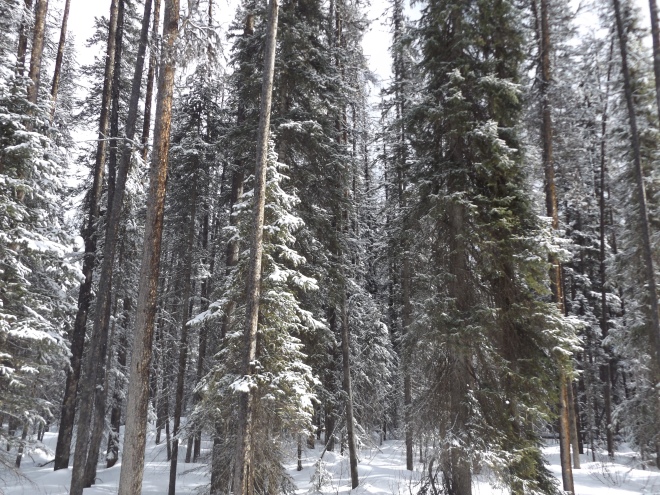
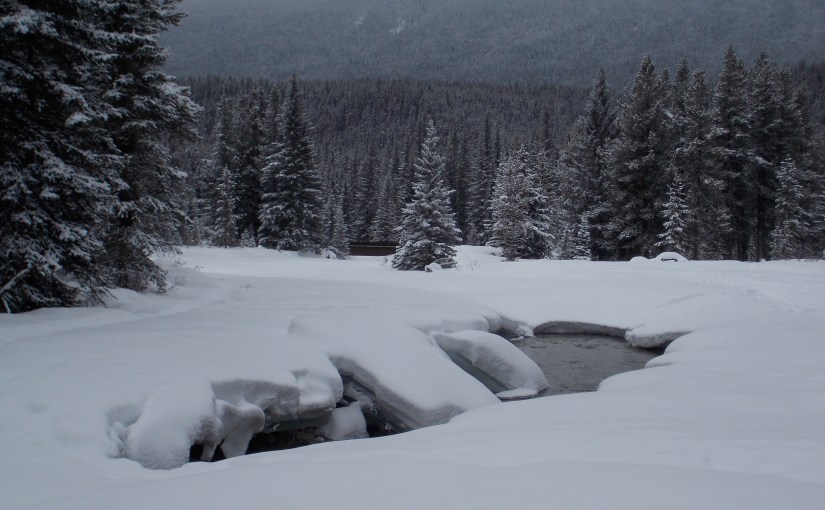
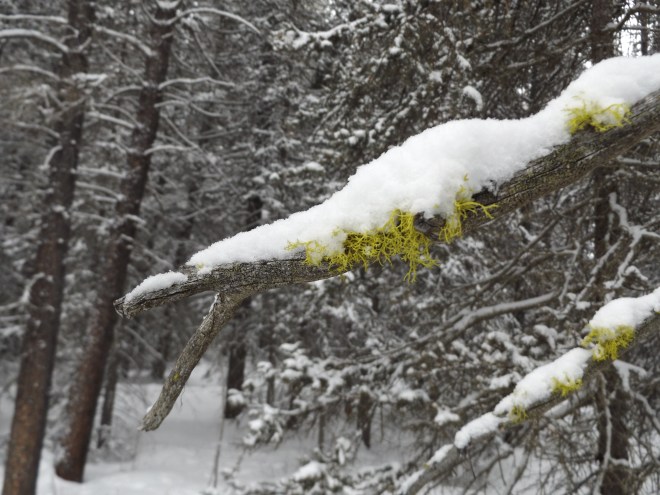
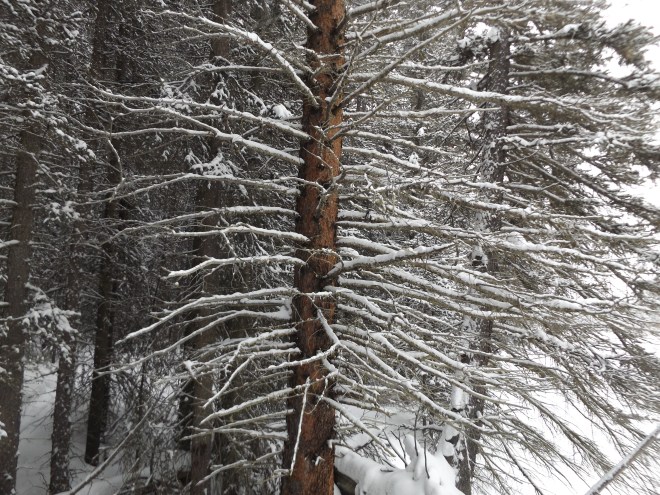
 We went looking for winter last weekend, out on the banks of the Bow. We found a chill wind blowing. Deep snow, and no sign of any fellow humans out and about. Previously made snowshoe tracks were well buried under a fresh blanket of snow. To be fair, there were fresh snowshoe tracks – those of a snowshoe hare. A deer or two had evidently passed through shortly before we did, so we weren’t entirely alone.
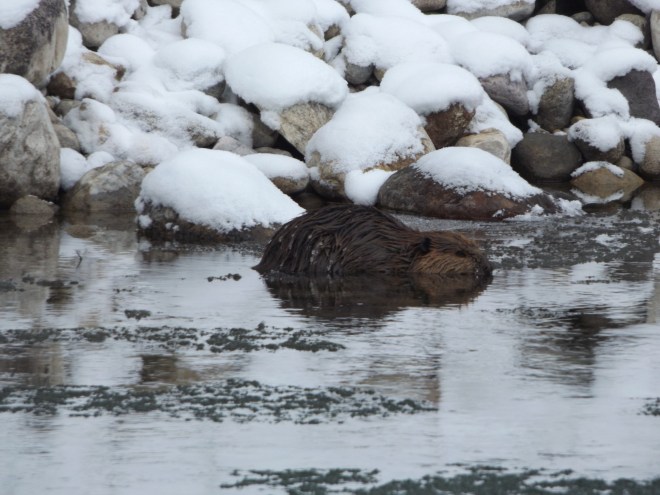
 Winter had a pretty good grip on the landscape. Thin patches of filmy ice drifted down river. We stood still and silent, hoping to catch sight of the little dipper we often encounter along this particular stretch. A sudden splash alerted us to the presence of something larger, and a minute later we spotted a beaver swimming in front of the far bank.
 Two Steller’s jays appeared, emerging from a heavily branched pine, chattering and scolding us as we passed by. Our winged escort for quite a way, flitting from tree to tree, and branch to branch, they were sometimes hard to spot, but little puffs of snow and a flash of blue revealed them each time they took off. Eventually we left their territory, but they were a welcome sight for a while.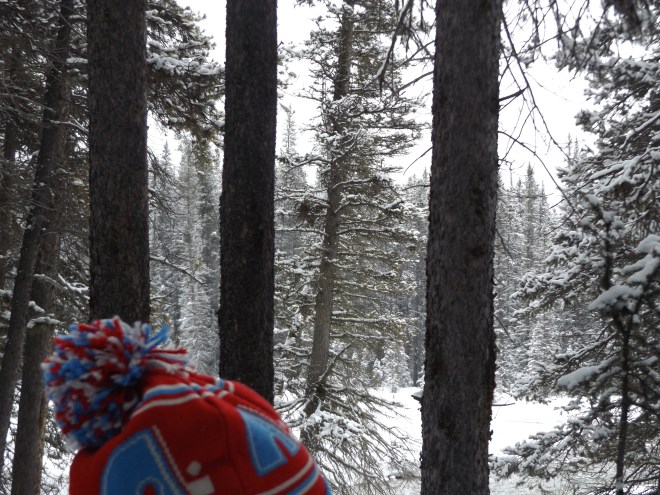

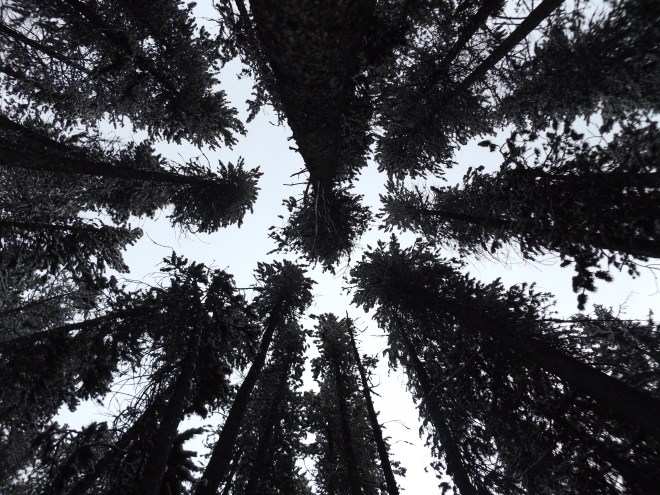 Thanks for reading, and have a wonderful weekend!
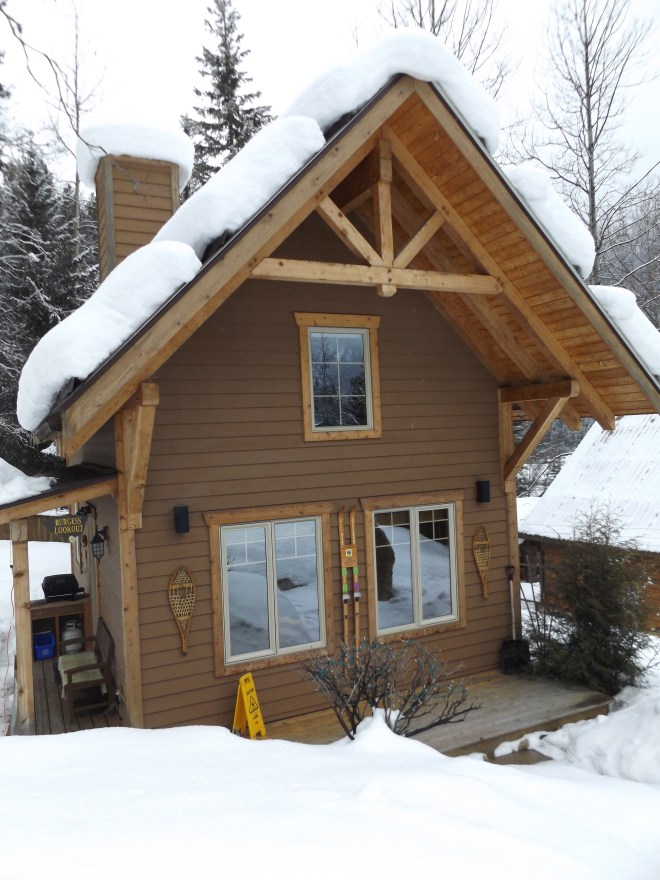
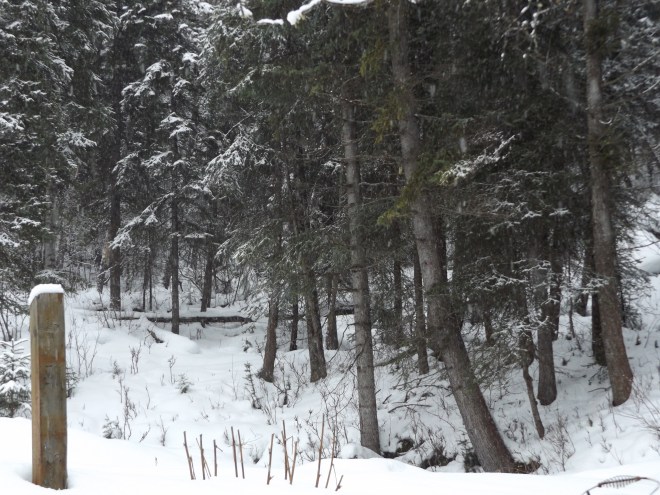
 Eventually, using my iron will and enormous amounts of determination, I agreed with Mrs PlaidCamper that a gentle stroll around the town might – just – be manageable. (It was – just – a cold – Mrs PC)

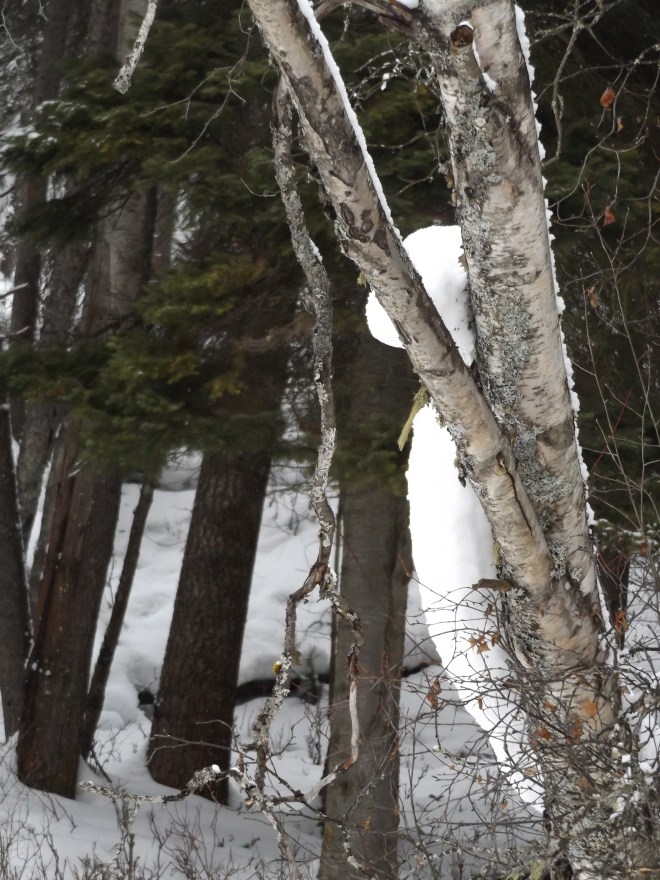
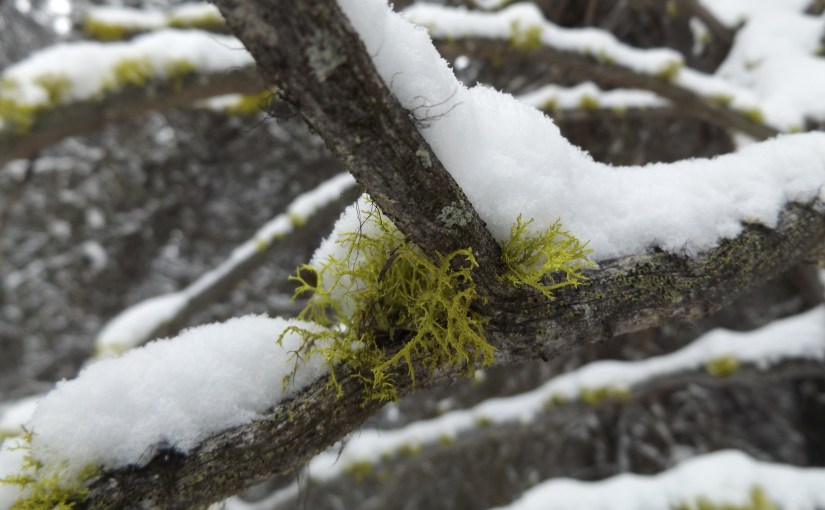


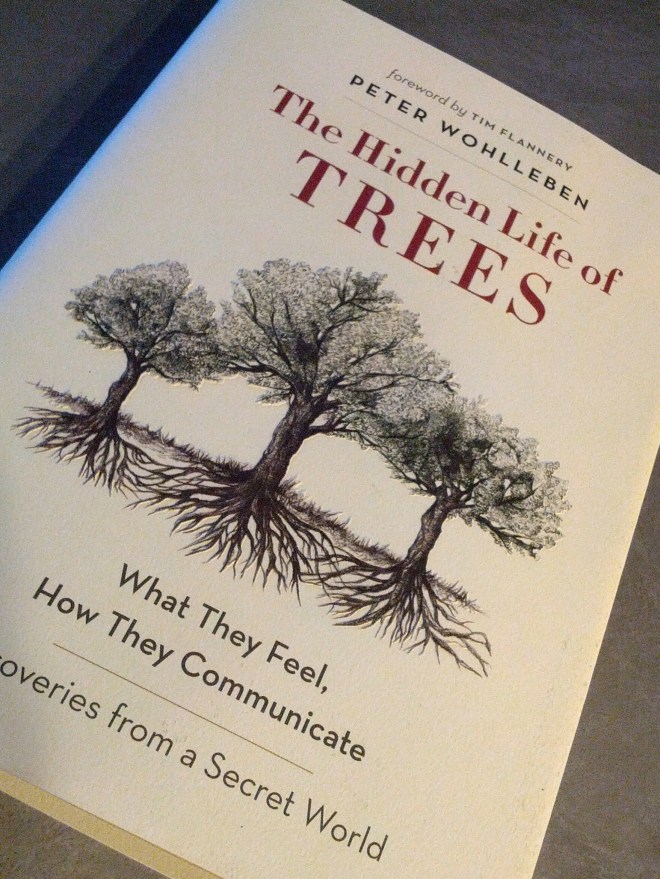 Highly recommended as a thoughtful and off centre read about trees, I thoroughly enjoyed Wohlleben telling how, over many years, he redefined his relationship to the trees he works with, evolving from logger to conservationist. His notions about trees being a “wood wide web” of communicating and social entities, beings that taste and smell, are a challenge to conventional thinking. He isn’t a sentimental tree hugger, he acknowledges trees have a commercial value, and he explores and explains different, less destructive approaches to harvesting.
 We certainly enjoyed our deep powder snowshoe hike along the riverbanks and through the trees. As we retraced our steps, I was hoping to spot the dipper we’ve seen several times along this stretch. I’d just told myself to be content with the day, dipper or no dipper, when I caught sight of it out the corner of my eye. Splashing and bobbing upstream, then dipping below the surface to pop up a few metres downstream, this was a fine way to complete our walk. No dipper photos, but a happy memory.
 Thanks for reading, please feel free to share a story, and have a wonderful weekend!
 OldPlaidCamper